

Give the Gift of Choice!
Too many options? Treat your friends and family to their favourite stores with a Bayshore Shopping Centre gift card, redeemable at participating retailers throughout the centre. Click below to purchase yours today!Purchase HereHome
The Cambridge History of the European Union: Volume 1, European Integration Outside-In
Coles
Loading Inventory...
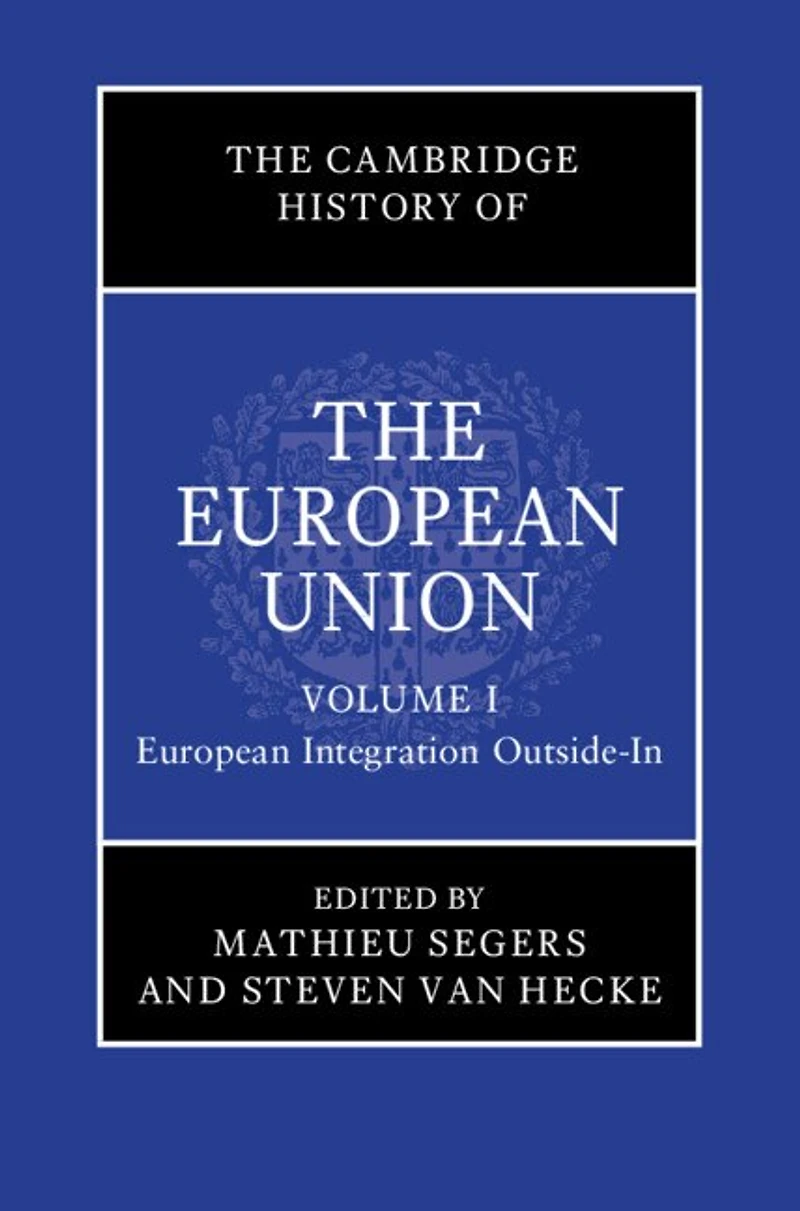
The Cambridge History of the European Union: Volume 1, European Integration Outside-In in Ottawa, ON
Current price: $202.99

The Cambridge History of the European Union: Volume 1, European Integration Outside-In in Ottawa, ON
Current price: $202.99
Loading Inventory...
Size: Hardcover
*Product information may vary - to confirm product availability, pricing, shipping and return information please contact Coles
Volume I examines the history of the European Union from an outside-in perspective, asking the following questions: how does the European Union look from the outside, and which outside forces shaped and guided the process of European integration? Split into three parts, the first addresses the main external events that have steered the European integration process, with emphasis placed on critical junctures following the Second World War, such as the division and reunification of Germany and the Eastern enlargement. Part II considers the various international trends that have shaped European integration, with particular focus on globalisation and geopolitics. While the first two parts pay special attention to institutions, countries, international organisations and the main actors, Part III focuses on the role of ideas, networks, public opinion and memory that influenced the development of the European Union.
Volume I examines the history of the European Union from an outside-in perspective, asking the following questions: how does the European Union look from the outside, and which outside forces shaped and guided the process of European integration? Split into three parts, the first addresses the main external events that have steered the European integration process, with emphasis placed on critical junctures following the Second World War, such as the division and reunification of Germany and the Eastern enlargement. Part II considers the various international trends that have shaped European integration, with particular focus on globalisation and geopolitics. While the first two parts pay special attention to institutions, countries, international organisations and the main actors, Part III focuses on the role of ideas, networks, public opinion and memory that influenced the development of the European Union.
You May Also Like










More About Coles at Bayshore Shopping Centre
Coles is renowned for its outstanding customer service and great selection of books. Along with the vast array of magazines, stationary, audio-books, children's literature, fiction, non-fiction and reference books, you can find accessories to make your reading experience more pleasurable. We can recommend the very best in reading today. We will help you search our titles for exactly what you need, and if we do not have it in stock, we will order it for you.
100 Bayshore Dr, Nepean, ON K2B 8C1, Canada
Find Coles at Bayshore Shopping Centre in Ottawa, ON
Visit Coles at Bayshore Shopping Centre in Ottawa, ON