

Give the Gift of Choice!
Too many options? Treat your friends and family to their favourite stores with a Bayshore Shopping Centre gift card, redeemable at participating retailers throughout the centre. Click below to purchase yours today!Purchase HereHome
The Camp Fire Girls: Gender, Race, and American Girlhood, 1910–1980
Coles
Loading Inventory...
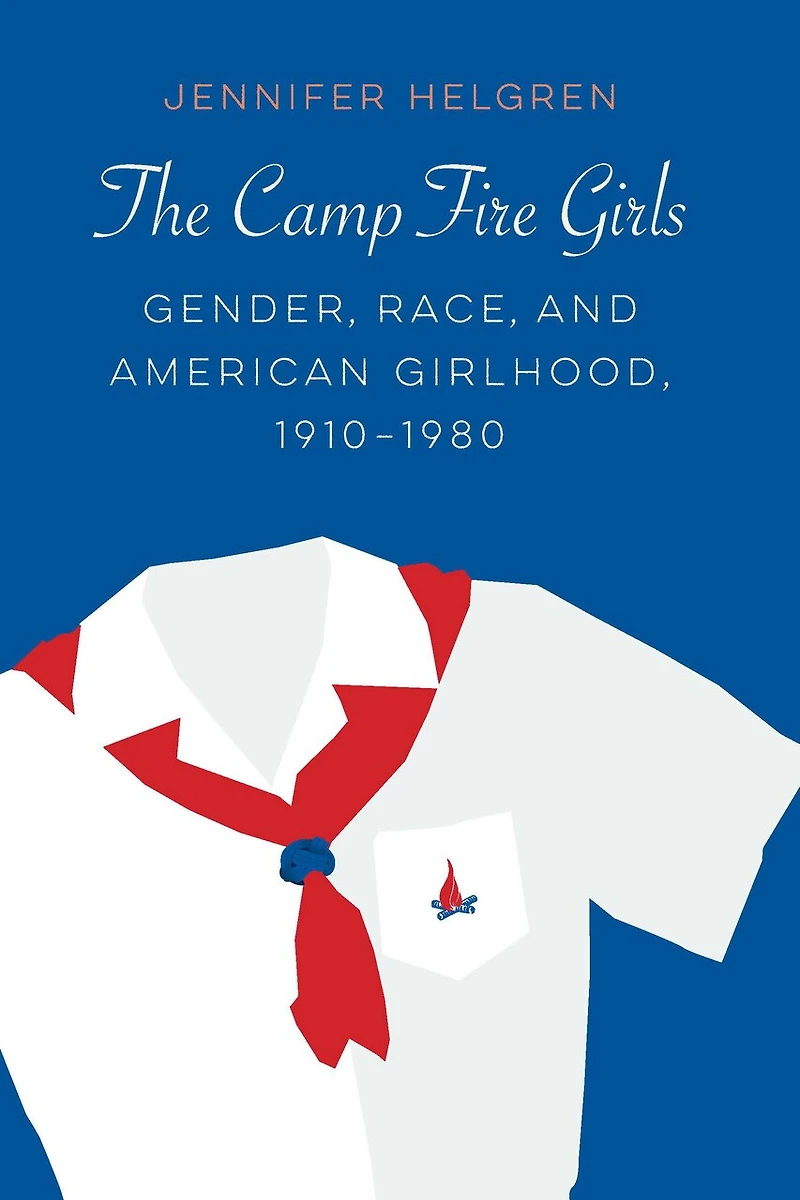

The Camp Fire Girls: Gender, Race, and American Girlhood, 1910–1980 in Ottawa, ON
Current price: $133.95

The Camp Fire Girls: Gender, Race, and American Girlhood, 1910–1980 in Ottawa, ON
Current price: $133.95
Loading Inventory...
Size: Hardcover
*Product information may vary - to confirm product availability, pricing, shipping and return information please contact Coles
As the twentieth century dawned, progressive educators established a national organization for adolescent girls to combat what they believed to be a crisis of girls’ education. A corollary to the Boy Scouts of America, founded just a few years earlier, the Camp Fire Girls became America’s first and, for two decades, most popular girls’ organization. Based on Protestant middle-class ideals—a regulatory model that reinforced hygiene, habit formation, hard work, and the idea that women related to the nation through service—the Camp Fire Girls invented new concepts of American girlhood by inviting disabled girls, Black girls, immigrants, and Native Americans to join. Though this often meant a false sense of cultural universality, in the girls’ own hands membership was often profoundly empowering and provided marginalized girls spaces to explore the meaning of their own cultures in relation to changes taking place in twentieth-century America.
Through the lens of the Camp Fire Girls, Jennifer Helgren traces the changing meanings of girls’ citizenship in the cultural context of the twentieth century. Drawing on girls’ scrapbooks, photographs, letters, and oral history interviews, in addition to adult voices in organization publications and speeches, The Camp Fire Girls explores critical intersections of gender, race, class, nation, and disability.
As the twentieth century dawned, progressive educators established a national organization for adolescent girls to combat what they believed to be a crisis of girls’ education. A corollary to the Boy Scouts of America, founded just a few years earlier, the Camp Fire Girls became America’s first and, for two decades, most popular girls’ organization. Based on Protestant middle-class ideals—a regulatory model that reinforced hygiene, habit formation, hard work, and the idea that women related to the nation through service—the Camp Fire Girls invented new concepts of American girlhood by inviting disabled girls, Black girls, immigrants, and Native Americans to join. Though this often meant a false sense of cultural universality, in the girls’ own hands membership was often profoundly empowering and provided marginalized girls spaces to explore the meaning of their own cultures in relation to changes taking place in twentieth-century America.
Through the lens of the Camp Fire Girls, Jennifer Helgren traces the changing meanings of girls’ citizenship in the cultural context of the twentieth century. Drawing on girls’ scrapbooks, photographs, letters, and oral history interviews, in addition to adult voices in organization publications and speeches, The Camp Fire Girls explores critical intersections of gender, race, class, nation, and disability.
You May Also Like













More About Coles at Bayshore Shopping Centre
Coles is renowned for its outstanding customer service and great selection of books. Along with the vast array of magazines, stationary, audio-books, children's literature, fiction, non-fiction and reference books, you can find accessories to make your reading experience more pleasurable. We can recommend the very best in reading today. We will help you search our titles for exactly what you need, and if we do not have it in stock, we will order it for you.
100 Bayshore Dr, Nepean, ON K2B 8C1, Canada
Find Coles at Bayshore Shopping Centre in Ottawa, ON
Visit Coles at Bayshore Shopping Centre in Ottawa, ON