

Give the Gift of Choice!
Too many options? Treat your friends and family to their favourite stores with a Bayshore Shopping Centre gift card, redeemable at participating retailers throughout the centre. Click below to purchase yours today!Purchase HereHome
The Carbon Fix: Forest Carbon, Social Justice, and Environmental Governance
Coles
Loading Inventory...
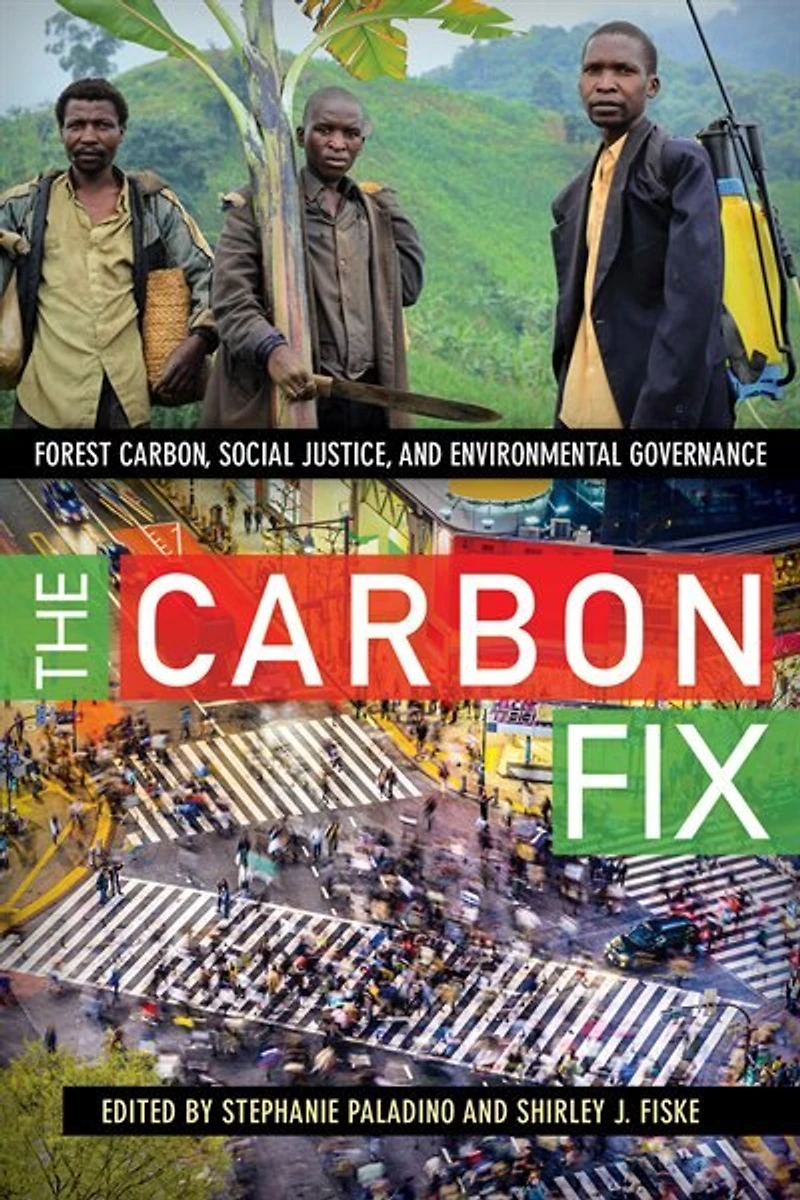
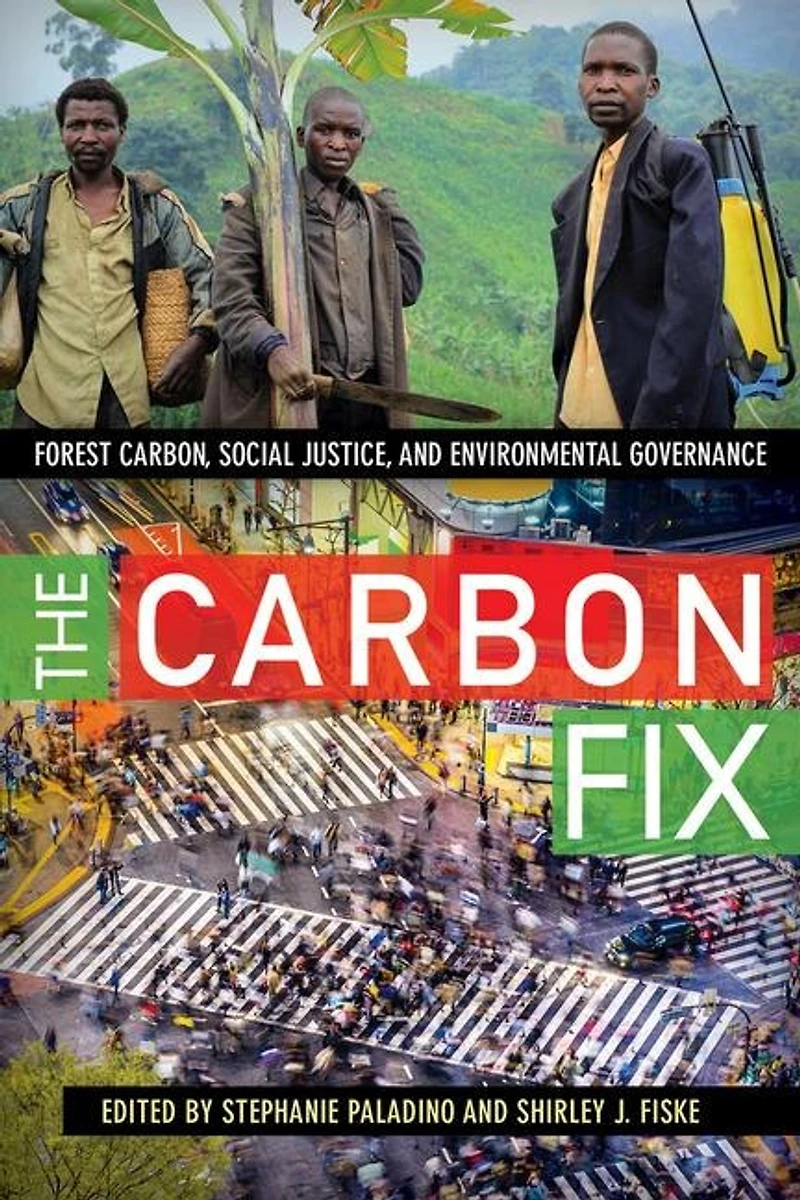
The Carbon Fix: Forest Carbon, Social Justice, and Environmental Governance in Ottawa, ON
Current price: $296.50

The Carbon Fix: Forest Carbon, Social Justice, and Environmental Governance in Ottawa, ON
Current price: $296.50
Loading Inventory...
Size: Hardcover
*Product information may vary - to confirm product availability, pricing, shipping and return information please contact Coles
Given the growing urgency to develop global responses to a changing climate, The Carbon Fix examines the social and equity dimensions of putting the world's forests-and, necessarily, the rural people who manage and depend on them-at the center of climate policy efforts such as REDD+, intended to slow global warming. The book assesses the implications of international policy approaches that focus on forests as carbon and especially, forest carbon offsets , for rights, justice, and climate governance. Contributions from leading anthropologists and geographers analyze a growing trend towards market principles and financialization of nature in environmental governance, placing it into conceptual, critical, and historical context. The book then challenges perceptions of forest carbon initiatives through in-depth, field-based case studies assessing projects, policies, and procedures at various scales, from informed consent to international carbon auditing. While providing a mixed assessment of the potential for forest carbon initiatives to balance carbon with social goals, the authors present compelling evidence for the complexities of the carbon offset enterprise, fraught with competing interests and interpretations at multiple scales, and having unanticipated and often deleterious effects on the resources and rights of the world's poorest peoples-especially indigenous and rural peoples. The Carbon Fix provides nuanced insights into political, economic, and ethical issues associated with climate change policy. Its case approach and fresh perspective are critical to environmental professionals, development planners, and project managers; and to students in upper level undergraduate and graduate courses in environmental anthropology and geography, environmental and policy studies, international development, and indigenous studies.
Given the growing urgency to develop global responses to a changing climate, The Carbon Fix examines the social and equity dimensions of putting the world's forests-and, necessarily, the rural people who manage and depend on them-at the center of climate policy efforts such as REDD+, intended to slow global warming. The book assesses the implications of international policy approaches that focus on forests as carbon and especially, forest carbon offsets , for rights, justice, and climate governance. Contributions from leading anthropologists and geographers analyze a growing trend towards market principles and financialization of nature in environmental governance, placing it into conceptual, critical, and historical context. The book then challenges perceptions of forest carbon initiatives through in-depth, field-based case studies assessing projects, policies, and procedures at various scales, from informed consent to international carbon auditing. While providing a mixed assessment of the potential for forest carbon initiatives to balance carbon with social goals, the authors present compelling evidence for the complexities of the carbon offset enterprise, fraught with competing interests and interpretations at multiple scales, and having unanticipated and often deleterious effects on the resources and rights of the world's poorest peoples-especially indigenous and rural peoples. The Carbon Fix provides nuanced insights into political, economic, and ethical issues associated with climate change policy. Its case approach and fresh perspective are critical to environmental professionals, development planners, and project managers; and to students in upper level undergraduate and graduate courses in environmental anthropology and geography, environmental and policy studies, international development, and indigenous studies.
You May Also Like









More About Coles at Bayshore Shopping Centre
Coles is renowned for its outstanding customer service and great selection of books. Along with the vast array of magazines, stationary, audio-books, children's literature, fiction, non-fiction and reference books, you can find accessories to make your reading experience more pleasurable. We can recommend the very best in reading today. We will help you search our titles for exactly what you need, and if we do not have it in stock, we will order it for you.
100 Bayshore Dr, Nepean, ON K2B 8C1, Canada
Find Coles at Bayshore Shopping Centre in Ottawa, ON
Visit Coles at Bayshore Shopping Centre in Ottawa, ON