

Give the Gift of Choice!
Too many options? Treat your friends and family to their favourite stores with a Bayshore Shopping Centre gift card, redeemable at participating retailers throughout the centre. Click below to purchase yours today!Purchase HereHome
The Chora Monastery of Constantinople
Coles
Loading Inventory...
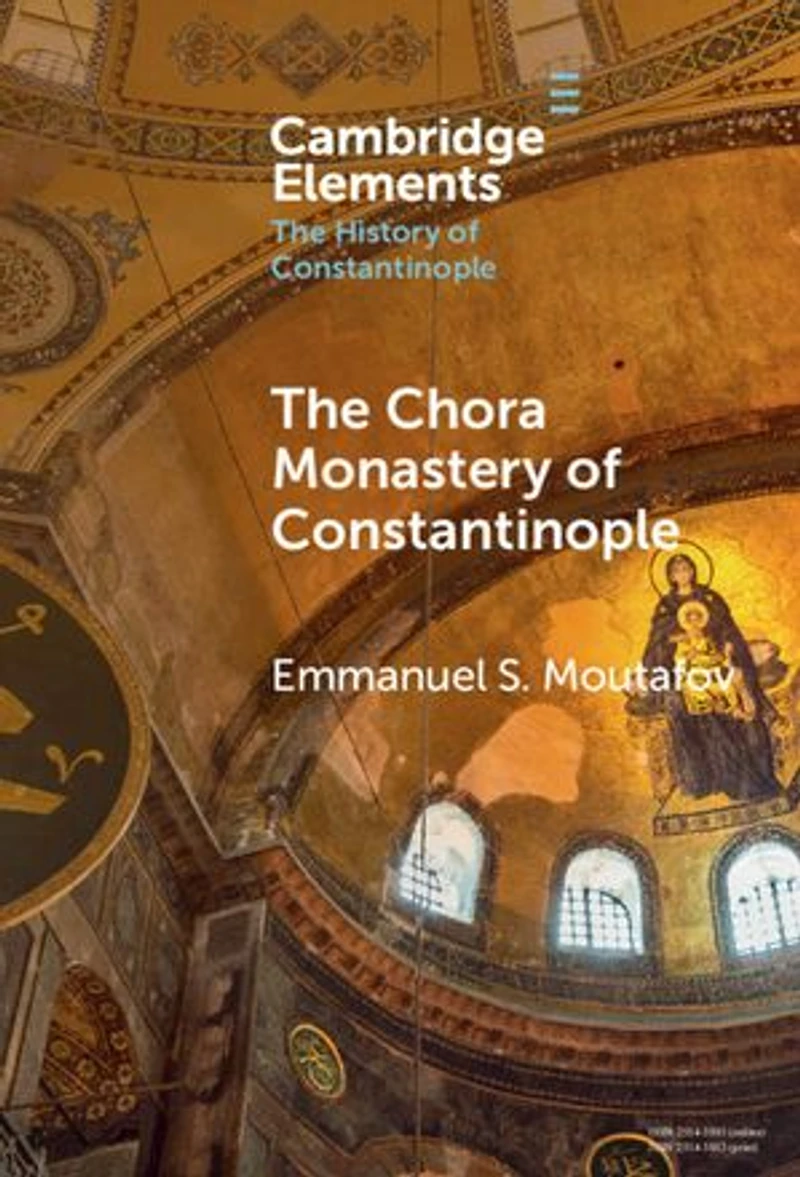
The Chora Monastery of Constantinople in Ottawa, ON
Current price: $23.19
Original price: $28.95

The Chora Monastery of Constantinople in Ottawa, ON
Current price: $23.19
Original price: $28.95
Loading Inventory...
Size: Kobo eBook
*Product information may vary - to confirm product availability, pricing, shipping and return information please contact Coles
The Chora is one of the most celebrated churches built in Constantinople during the Byzantine era (330–1453). It is particularly famous for its glorious mosaics and frescoes, mostly dating to the fourteenth century, which are a particularly fine example of Late Byzantine art. After the Ottoman conquest of Constantinople in 1453 the church was repurposed as a mosque, known as the Kariye Camii. Between 1945 and 2020 it had another incarnation, as the Kariye Museum, but then in 2020, in line with changing Turkish governmental policies, it again became a mosque. This Element sets out the history of the building, presents its artwork, and considers how best to interpret its construction, significance, and meaning. Above all, it offers an insight into images and words that are currently inaccessible to the general public.
The Chora is one of the most celebrated churches built in Constantinople during the Byzantine era (330–1453). It is particularly famous for its glorious mosaics and frescoes, mostly dating to the fourteenth century, which are a particularly fine example of Late Byzantine art. After the Ottoman conquest of Constantinople in 1453 the church was repurposed as a mosque, known as the Kariye Camii. Between 1945 and 2020 it had another incarnation, as the Kariye Museum, but then in 2020, in line with changing Turkish governmental policies, it again became a mosque. This Element sets out the history of the building, presents its artwork, and considers how best to interpret its construction, significance, and meaning. Above all, it offers an insight into images and words that are currently inaccessible to the general public.
You May Also Like









More About Coles at Bayshore Shopping Centre
Coles is renowned for its outstanding customer service and great selection of books. Along with the vast array of magazines, stationary, audio-books, children's literature, fiction, non-fiction and reference books, you can find accessories to make your reading experience more pleasurable. We can recommend the very best in reading today. We will help you search our titles for exactly what you need, and if we do not have it in stock, we will order it for you.
100 Bayshore Dr, Nepean, ON K2B 8C1, Canada
Find Coles at Bayshore Shopping Centre in Ottawa, ON
Visit Coles at Bayshore Shopping Centre in Ottawa, ON