

Give the Gift of Choice!
Too many options? Treat your friends and family to their favourite stores with a Bayshore Shopping Centre gift card, redeemable at participating retailers throughout the centre. Click below to purchase yours today!Purchase HereHome
The Church Unfinished: Ecclesiology Through the Centuries
Coles
Loading Inventory...
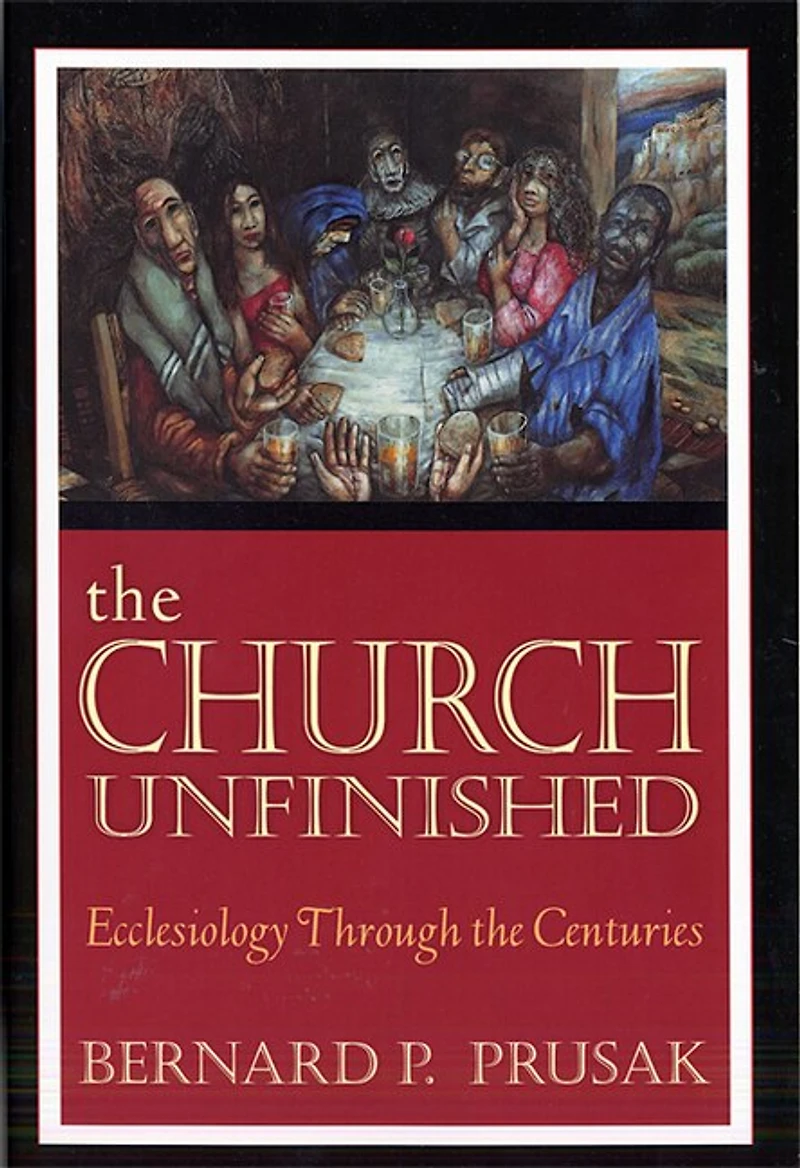
The Church Unfinished: Ecclesiology Through the Centuries in Ottawa, ON
Current price: $33.99

The Church Unfinished: Ecclesiology Through the Centuries in Ottawa, ON
Current price: $33.99
Loading Inventory...
Size: Paperback
*Product information may vary - to confirm product availability, pricing, shipping and return information please contact Coles
Like human life, the Catholic or universal Church is lived forward but understood backward. To appreciate the Church's past, however, does not require that we simply repeat it. Using such a framework, this book puts the present period of the Church in vast historical context. It traces how the Church came from the "community of unexpected persons" whom Jesus gathered around himself and was then shaped, over the course of centuries, by human decisions made in the Spirit. The Church's catholicity is seen to involve an ever expanding memory, embracing the immense richness of past and present times, places, and cultures, and at the same time an openness to assimilating, and possibly being transformed by, a future history in which God offers new possibilities. Vatican II's Constitution on the Church in the Modern World affirmed that God has endowed humans with a certain autonomy for shaping the world. The book asks whether that has implications for traditional presumptions about the order and structure of the Church. The tendency to presume that nothing new or unexpected could develop in the unfolding future of the Church might close us to the presence of the Spirit in our midst, and fail to recognize that our time, as much as any past time, is an opportunity for God's creative activity and grace. The book thus proposes that the Church's leadership would do well to nurture a renewed eschatological attitude that embraces a genuine openness to the newness and surprise of the future, leaving room not only for continuity but also for the important elements of change and transformation. For, what the Church is, only the entirety of its history will fully reveal. Audience: --undergraduate and graduate courses on the Church or on the development of Christianity --readers who want to take the time and effort to learn more about the church +
Like human life, the Catholic or universal Church is lived forward but understood backward. To appreciate the Church's past, however, does not require that we simply repeat it. Using such a framework, this book puts the present period of the Church in vast historical context. It traces how the Church came from the "community of unexpected persons" whom Jesus gathered around himself and was then shaped, over the course of centuries, by human decisions made in the Spirit. The Church's catholicity is seen to involve an ever expanding memory, embracing the immense richness of past and present times, places, and cultures, and at the same time an openness to assimilating, and possibly being transformed by, a future history in which God offers new possibilities. Vatican II's Constitution on the Church in the Modern World affirmed that God has endowed humans with a certain autonomy for shaping the world. The book asks whether that has implications for traditional presumptions about the order and structure of the Church. The tendency to presume that nothing new or unexpected could develop in the unfolding future of the Church might close us to the presence of the Spirit in our midst, and fail to recognize that our time, as much as any past time, is an opportunity for God's creative activity and grace. The book thus proposes that the Church's leadership would do well to nurture a renewed eschatological attitude that embraces a genuine openness to the newness and surprise of the future, leaving room not only for continuity but also for the important elements of change and transformation. For, what the Church is, only the entirety of its history will fully reveal. Audience: --undergraduate and graduate courses on the Church or on the development of Christianity --readers who want to take the time and effort to learn more about the church +
You May Also Like








More About Coles at Bayshore Shopping Centre
Coles is renowned for its outstanding customer service and great selection of books. Along with the vast array of magazines, stationary, audio-books, children's literature, fiction, non-fiction and reference books, you can find accessories to make your reading experience more pleasurable. We can recommend the very best in reading today. We will help you search our titles for exactly what you need, and if we do not have it in stock, we will order it for you.
100 Bayshore Dr, Nepean, ON K2B 8C1, Canada
Find Coles at Bayshore Shopping Centre in Ottawa, ON
Visit Coles at Bayshore Shopping Centre in Ottawa, ON