

Give the Gift of Choice!
Too many options? Treat your friends and family to their favourite stores with a Bayshore Shopping Centre gift card, redeemable at participating retailers throughout the centre. Click below to purchase yours today!Purchase HereHome
The Civil Sphere: A Concise Introduction
Coles
Loading Inventory...
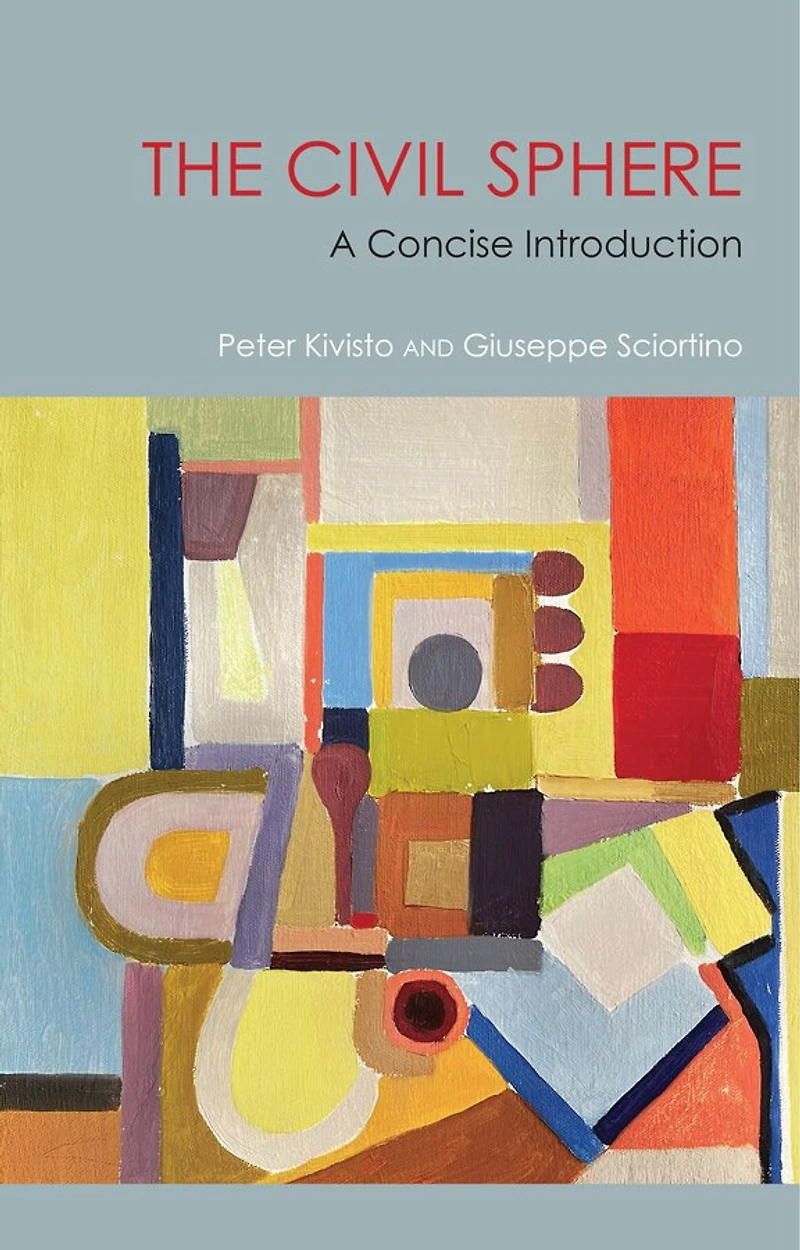
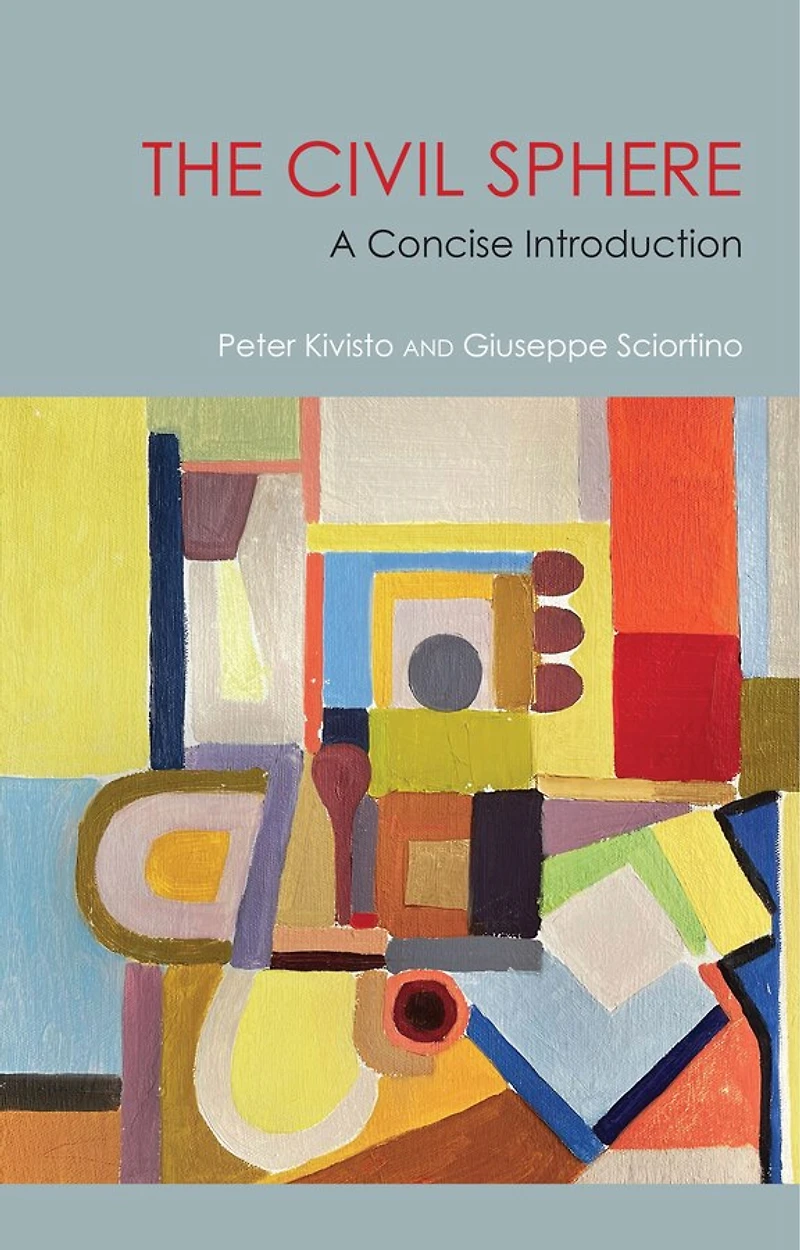
The Civil Sphere: A Concise Introduction in Ottawa, ON
Current price: $92.95

The Civil Sphere: A Concise Introduction in Ottawa, ON
Current price: $92.95
Loading Inventory...
Size: Hardcover
*Product information may vary - to confirm product availability, pricing, shipping and return information please contact Coles
This book provides a comprehensive introduction to Jeffrey C. Alexander’s Civil Sphere Theory (CST). It reconstructs the development and key features of this theory and explains why it offers an original and compelling way of thinking about civil society.
The book reveals the ways in which the various components of CST come together to offer an illuminating framework for making sense of the complexities, ambiguities, and tensions inherent in modern democratic societies located in highly differentiated and pluralistic societies. It compares CST to civil society theories from the past and present, along with the idea of the societal community and Habermas’s theory of the public sphere.
Among the topics addressed are the relationship between CST and Alexander’s approach to cultural sociology, the binary character of cultural codes, normative philosophy, the role of social movements in effecting civil repair, and the idea of multiculturalism as a new mode of incorporation that makes possible a politics of recognition. The book assesses the main criticisms of CST and concludes by showing how CST has proven to be an ongoing, evolving project that has generated a wide range of empirical research and stimulated further theoretical refinement and development.
This book provides a comprehensive introduction to Jeffrey C. Alexander’s Civil Sphere Theory (CST). It reconstructs the development and key features of this theory and explains why it offers an original and compelling way of thinking about civil society.
The book reveals the ways in which the various components of CST come together to offer an illuminating framework for making sense of the complexities, ambiguities, and tensions inherent in modern democratic societies located in highly differentiated and pluralistic societies. It compares CST to civil society theories from the past and present, along with the idea of the societal community and Habermas’s theory of the public sphere.
Among the topics addressed are the relationship between CST and Alexander’s approach to cultural sociology, the binary character of cultural codes, normative philosophy, the role of social movements in effecting civil repair, and the idea of multiculturalism as a new mode of incorporation that makes possible a politics of recognition. The book assesses the main criticisms of CST and concludes by showing how CST has proven to be an ongoing, evolving project that has generated a wide range of empirical research and stimulated further theoretical refinement and development.
You May Also Like











More About Coles at Bayshore Shopping Centre
Coles is renowned for its outstanding customer service and great selection of books. Along with the vast array of magazines, stationary, audio-books, children's literature, fiction, non-fiction and reference books, you can find accessories to make your reading experience more pleasurable. We can recommend the very best in reading today. We will help you search our titles for exactly what you need, and if we do not have it in stock, we will order it for you.
100 Bayshore Dr, Nepean, ON K2B 8C1, Canada
Find Coles at Bayshore Shopping Centre in Ottawa, ON
Visit Coles at Bayshore Shopping Centre in Ottawa, ON