

Give the Gift of Choice!
Too many options? Treat your friends and family to their favourite stores with a Bayshore Shopping Centre gift card, redeemable at participating retailers throughout the centre. Click below to purchase yours today!Purchase HereHome
The Civilisation of the Renaissance in Italy
Coles
Loading Inventory...
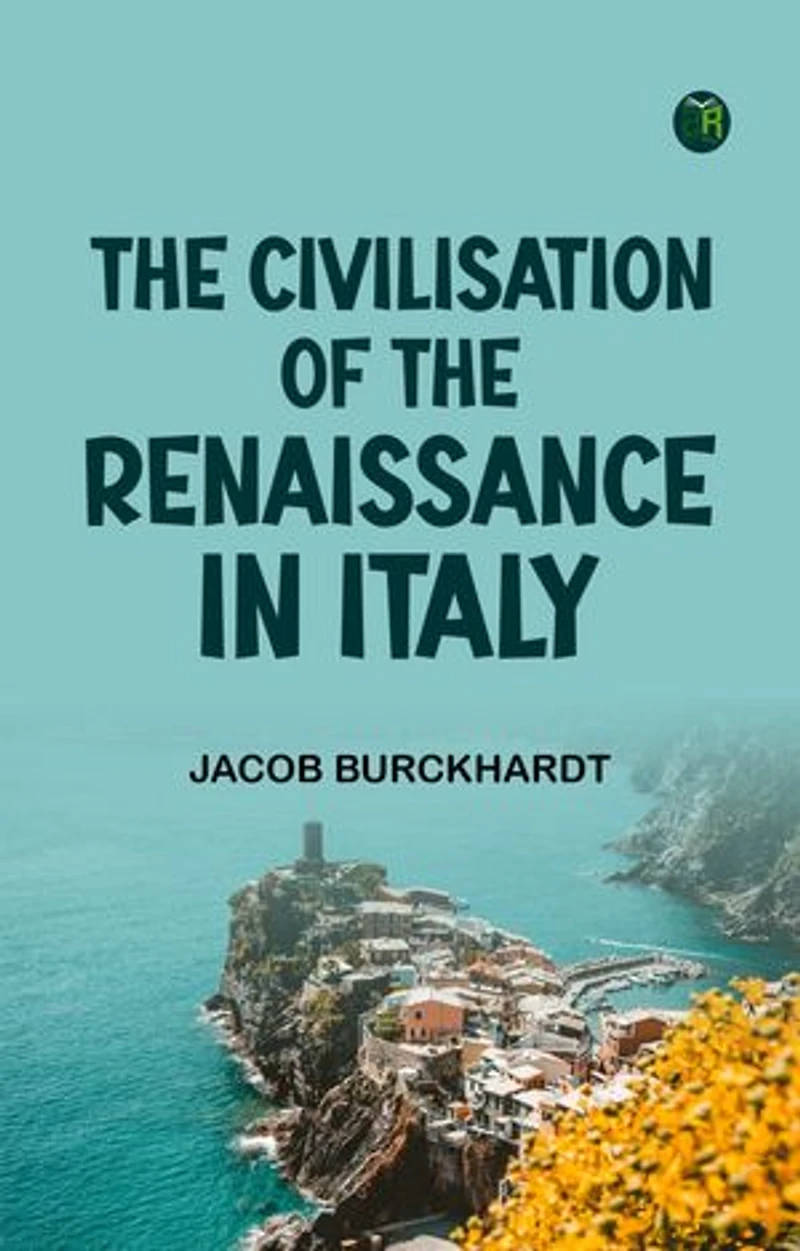
The Civilisation of the Renaissance in Italy in Ottawa, ON
Current price: $1.32

The Civilisation of the Renaissance in Italy in Ottawa, ON
Current price: $1.32
Loading Inventory...
Size: Kobo eBook
*Product information may vary - to confirm product availability, pricing, shipping and return information please contact Coles
The Civilization of the Renaissance in Italy by Swiss historian Jacob Burckhardt, published in 1860, is a groundbreaking work that examines the social, cultural, and intellectual rebirth in Italy during the Renaissance. Burckhardt's analysis marked a departure from traditional historical approaches, focusing less on political events and more on the spirit, individualism, and artistic achievements that defined the era. His work explores how Italy became a cradle for new forms of art, humanist thought, and secular life, setting the stage for modern Western civilization.Burckhardt divides his study into five main sections: the development of the individual, the revival of antiquity, the discovery of the world and of man, society and festivals, and morality and religion. He argues that the Renaissance marked the emergence of the modern individual, characterized by self-awareness and personal identity—a contrast to the communal identities of the medieval period. Through his descriptions of art, literature, and architecture, Burckhardt illustrates how Italian society embraced classical ideals while pushing the boundaries of creative expression and intellectual freedom.
The Civilization of the Renaissance in Italy by Swiss historian Jacob Burckhardt, published in 1860, is a groundbreaking work that examines the social, cultural, and intellectual rebirth in Italy during the Renaissance. Burckhardt's analysis marked a departure from traditional historical approaches, focusing less on political events and more on the spirit, individualism, and artistic achievements that defined the era. His work explores how Italy became a cradle for new forms of art, humanist thought, and secular life, setting the stage for modern Western civilization.Burckhardt divides his study into five main sections: the development of the individual, the revival of antiquity, the discovery of the world and of man, society and festivals, and morality and religion. He argues that the Renaissance marked the emergence of the modern individual, characterized by self-awareness and personal identity—a contrast to the communal identities of the medieval period. Through his descriptions of art, literature, and architecture, Burckhardt illustrates how Italian society embraced classical ideals while pushing the boundaries of creative expression and intellectual freedom.
You May Also Like








More About Coles at Bayshore Shopping Centre
Coles is renowned for its outstanding customer service and great selection of books. Along with the vast array of magazines, stationary, audio-books, children's literature, fiction, non-fiction and reference books, you can find accessories to make your reading experience more pleasurable. We can recommend the very best in reading today. We will help you search our titles for exactly what you need, and if we do not have it in stock, we will order it for you.
100 Bayshore Dr, Nepean, ON K2B 8C1, Canada
Find Coles at Bayshore Shopping Centre in Ottawa, ON
Visit Coles at Bayshore Shopping Centre in Ottawa, ON