

Give the Gift of Choice!
Too many options? Treat your friends and family to their favourite stores with a Bayshore Shopping Centre gift card, redeemable at participating retailers throughout the centre. Click below to purchase yours today!Purchase HereHome
The Colonial Life of Pharmaceuticals: Medicines and Modernity Vietnam
Coles
Loading Inventory...
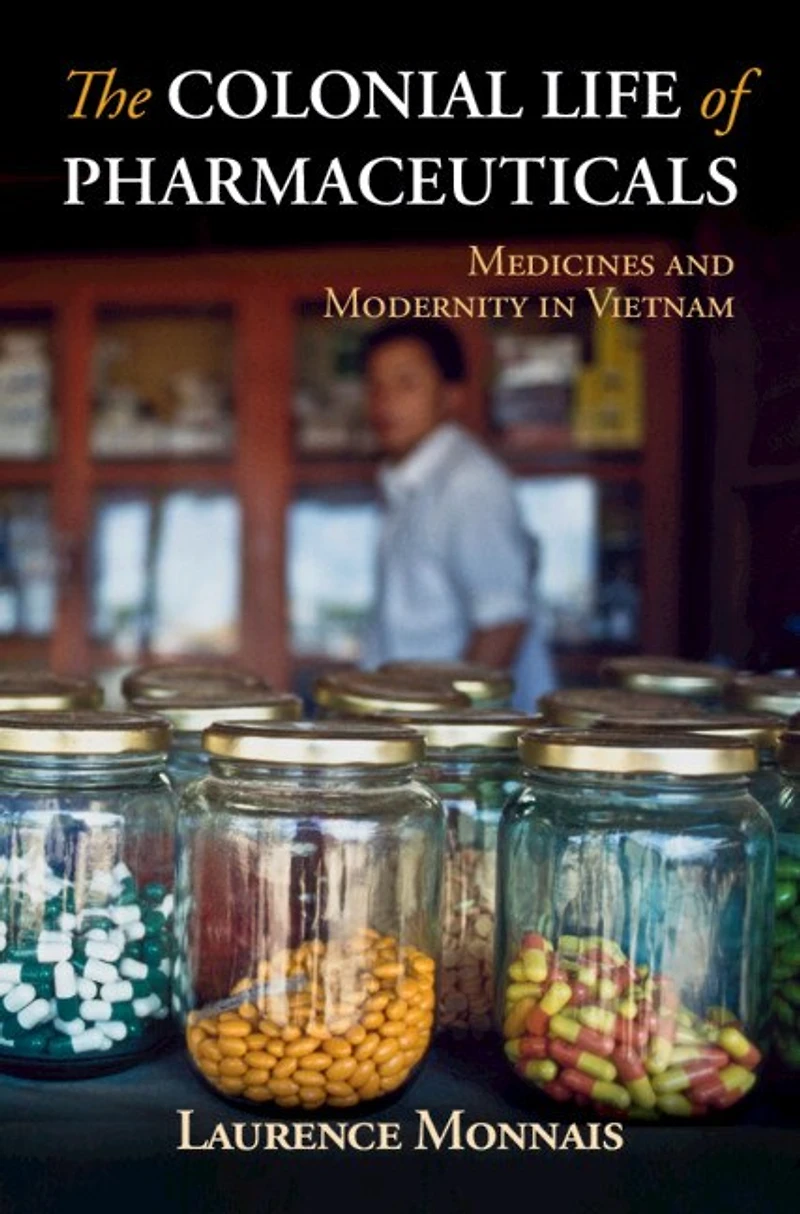
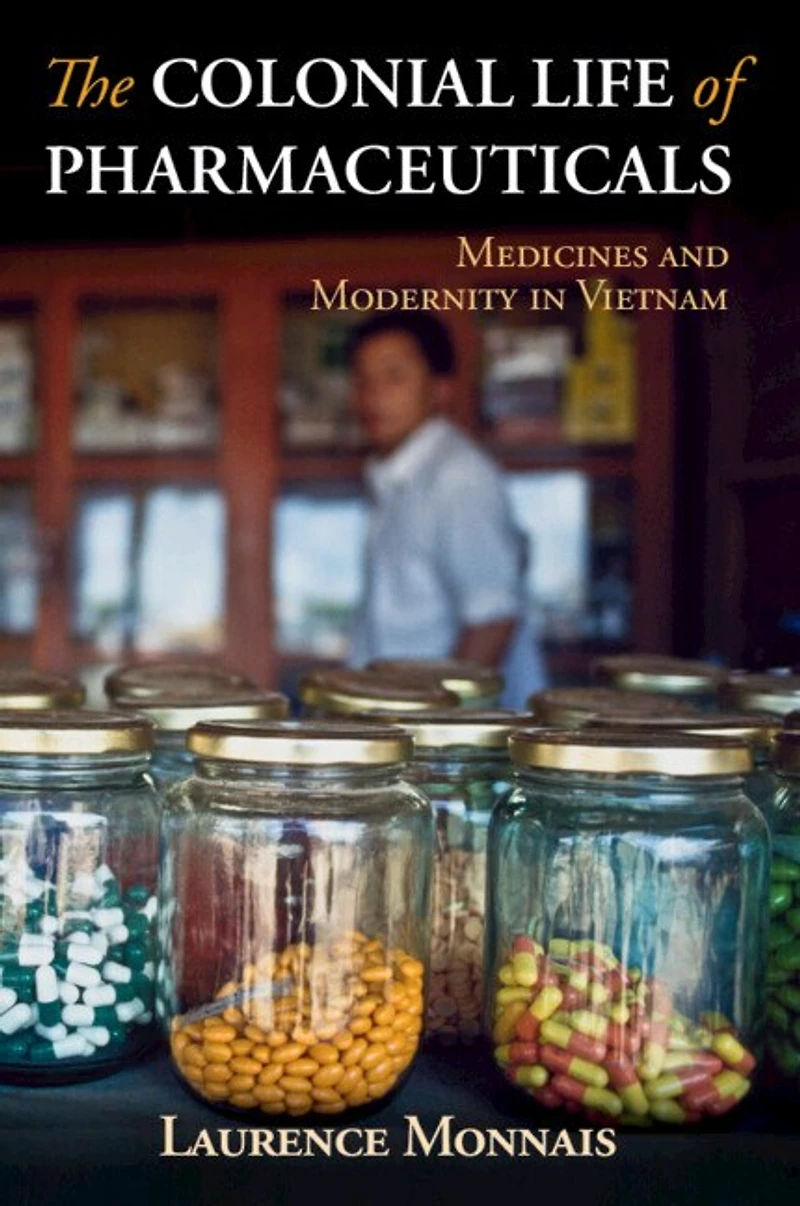
The Colonial Life of Pharmaceuticals: Medicines and Modernity Vietnam in Ottawa, ON
Current price: $152.95

The Colonial Life of Pharmaceuticals: Medicines and Modernity Vietnam in Ottawa, ON
Current price: $152.95
Loading Inventory...
Size: Hardcover
*Product information may vary - to confirm product availability, pricing, shipping and return information please contact Coles
Situated at the crossroads between the history of colonialism, of modern Southeast Asia, and of medical pluralism, this history of medicine and health traces the life of pharmaceuticals in Vietnam under French rule. Laurence Monnais examines the globalization of the pharmaceutical industry, looking at both circulation and consumption, considering access to drugs and the existence of multiple therapeutic options in a colonial context. She argues that colonialism was crucial to the worldwide diffusion of modern medicines and speaks to contemporary concerns regarding over-reliance on pharmaceuticals, drug toxicity, self-medication, and the accessibility of effective medicines. Retracing the steps by which pharmaceuticals were produced and distributed, readers meet the many players in the process, from colonial doctors to private pharmacists, from consumers to various drug traders and healers. Yet this is not primarily a history of medicines as objects of colonial science, but rather a history of medicines as tools of social change.
Situated at the crossroads between the history of colonialism, of modern Southeast Asia, and of medical pluralism, this history of medicine and health traces the life of pharmaceuticals in Vietnam under French rule. Laurence Monnais examines the globalization of the pharmaceutical industry, looking at both circulation and consumption, considering access to drugs and the existence of multiple therapeutic options in a colonial context. She argues that colonialism was crucial to the worldwide diffusion of modern medicines and speaks to contemporary concerns regarding over-reliance on pharmaceuticals, drug toxicity, self-medication, and the accessibility of effective medicines. Retracing the steps by which pharmaceuticals were produced and distributed, readers meet the many players in the process, from colonial doctors to private pharmacists, from consumers to various drug traders and healers. Yet this is not primarily a history of medicines as objects of colonial science, but rather a history of medicines as tools of social change.
You May Also Like









More About Coles at Bayshore Shopping Centre
Coles is renowned for its outstanding customer service and great selection of books. Along with the vast array of magazines, stationary, audio-books, children's literature, fiction, non-fiction and reference books, you can find accessories to make your reading experience more pleasurable. We can recommend the very best in reading today. We will help you search our titles for exactly what you need, and if we do not have it in stock, we will order it for you.
100 Bayshore Dr, Nepean, ON K2B 8C1, Canada
Find Coles at Bayshore Shopping Centre in Ottawa, ON
Visit Coles at Bayshore Shopping Centre in Ottawa, ON