

Give the Gift of Choice!
Too many options? Treat your friends and family to their favourite stores with a Bayshore Shopping Centre gift card, redeemable at participating retailers throughout the centre. Click below to purchase yours today!Purchase HereHome
The Colossus of Rhodes: Archaeology a Lost Wonder
Coles
Loading Inventory...
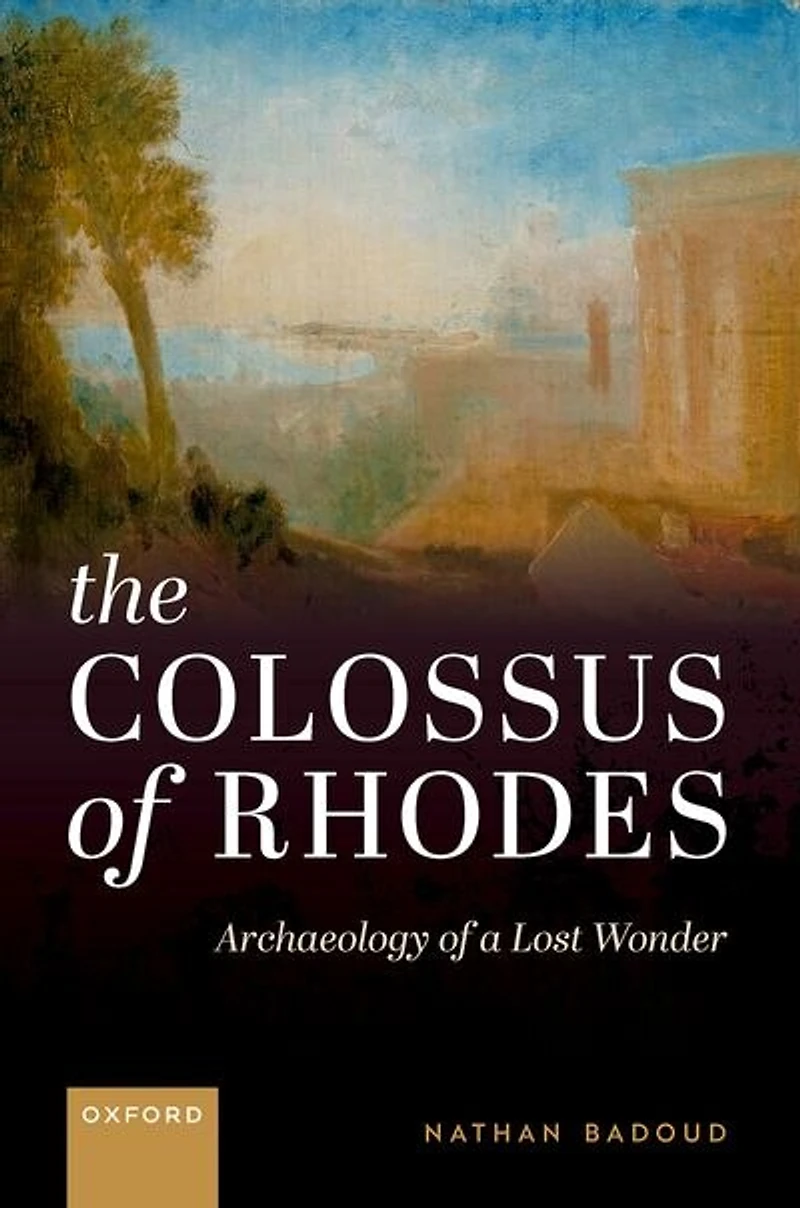
The Colossus of Rhodes: Archaeology a Lost Wonder in Ottawa, ON
Current price: $200.00

The Colossus of Rhodes: Archaeology a Lost Wonder in Ottawa, ON
Current price: $200.00
Loading Inventory...
Size: Hardcover
*Product information may vary - to confirm product availability, pricing, shipping and return information please contact Coles
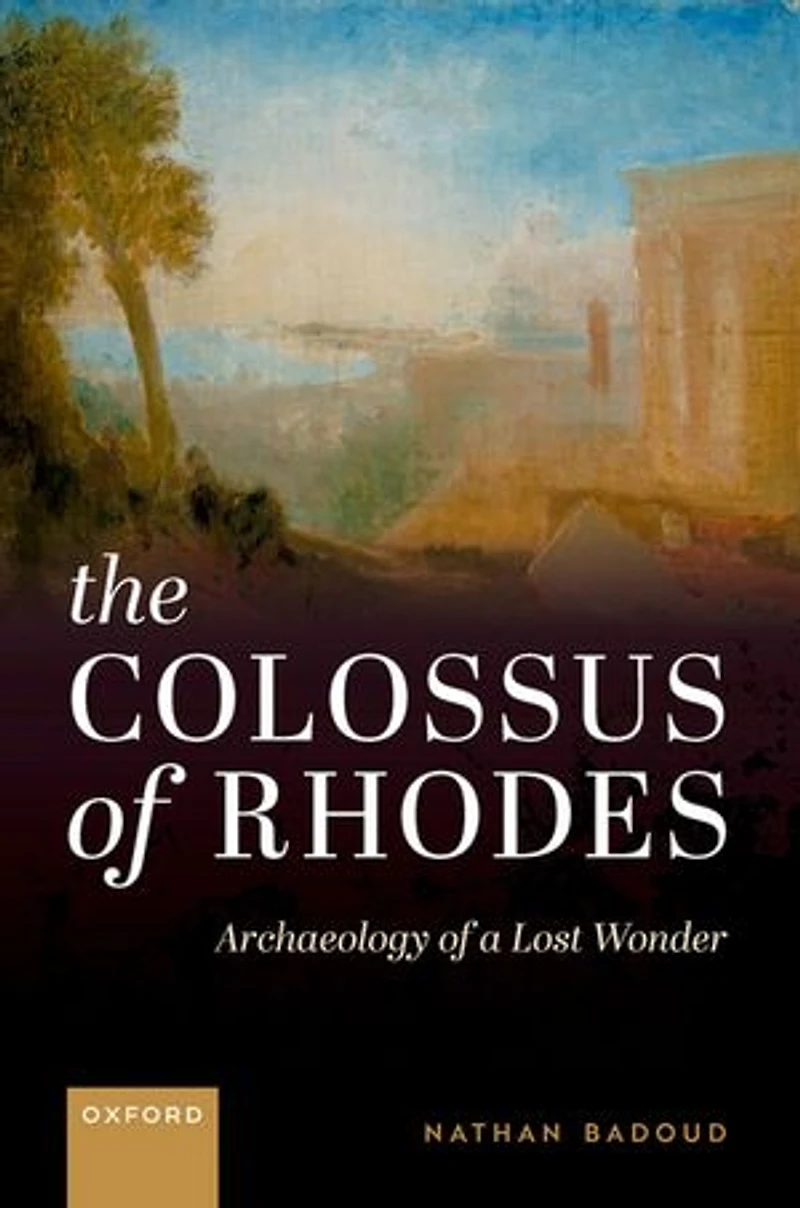
The Colossus of Rhodes is both the most famous and the least well-known monument of Ancient Greece. Numbered among the Seven Wonders of the World, this bronze statue of the god Helios, thirty-four metres in height, was created by the sculptor Chares of Lindos between the years 295 and 283 BC, only to be destroyed by an earthquake in 227 BC. The legends which have spread after its collapse seem so strange and contradictory that specialists in Greek sculpture have been dissuaded from investigating the topic. Nathan Badoud publishes the first comprehensive study devoted to the Colossus. His book mobilises a large array of sources, ranging from antiquity to the present day. It proposes an intellectual excavation through the layers of the literary, artistic, and scientific tradition. It envisages the statue in its religious, political, and topographical contexts. It explores its function, its technique, its appearance, its meaning, and its location. It reconsiders the beginnings of the Hellenistic world, marked by the emergence of Rhodes as an imperial power, embodied by the Colossus.
The Colossus of Rhodes is both the most famous and the least well-known monument of Ancient Greece. Numbered among the Seven Wonders of the World, this bronze statue of the god Helios, thirty-four metres in height, was created by the sculptor Chares of Lindos between the years 295 and 283 BC, only to be destroyed by an earthquake in 227 BC. The legends which have spread after its collapse seem so strange and contradictory that specialists in Greek sculpture have been dissuaded from investigating the topic. Nathan Badoud publishes the first comprehensive study devoted to the Colossus. His book mobilises a large array of sources, ranging from antiquity to the present day. It proposes an intellectual excavation through the layers of the literary, artistic, and scientific tradition. It envisages the statue in its religious, political, and topographical contexts. It explores its function, its technique, its appearance, its meaning, and its location. It reconsiders the beginnings of the Hellenistic world, marked by the emergence of Rhodes as an imperial power, embodied by the Colossus.







More About Coles at Bayshore Shopping Centre
Coles is renowned for its outstanding customer service and great selection of books. Along with the vast array of magazines, stationary, audio-books, children's literature, fiction, non-fiction and reference books, you can find accessories to make your reading experience more pleasurable. We can recommend the very best in reading today. We will help you search our titles for exactly what you need, and if we do not have it in stock, we will order it for you.
100 Bayshore Dr, Nepean, ON K2B 8C1, Canada
Find Coles at Bayshore Shopping Centre in Ottawa, ON
Visit Coles at Bayshore Shopping Centre in Ottawa, ON