

Give the Gift of Choice!
Too many options? Treat your friends and family to their favourite stores with a Bayshore Shopping Centre gift card, redeemable at participating retailers throughout the centre. Click below to purchase yours today!Purchase HereHome
The Comedy of Philosophy: Sense and Nonsense in Early Cinematic Slapstick
Coles
Loading Inventory...
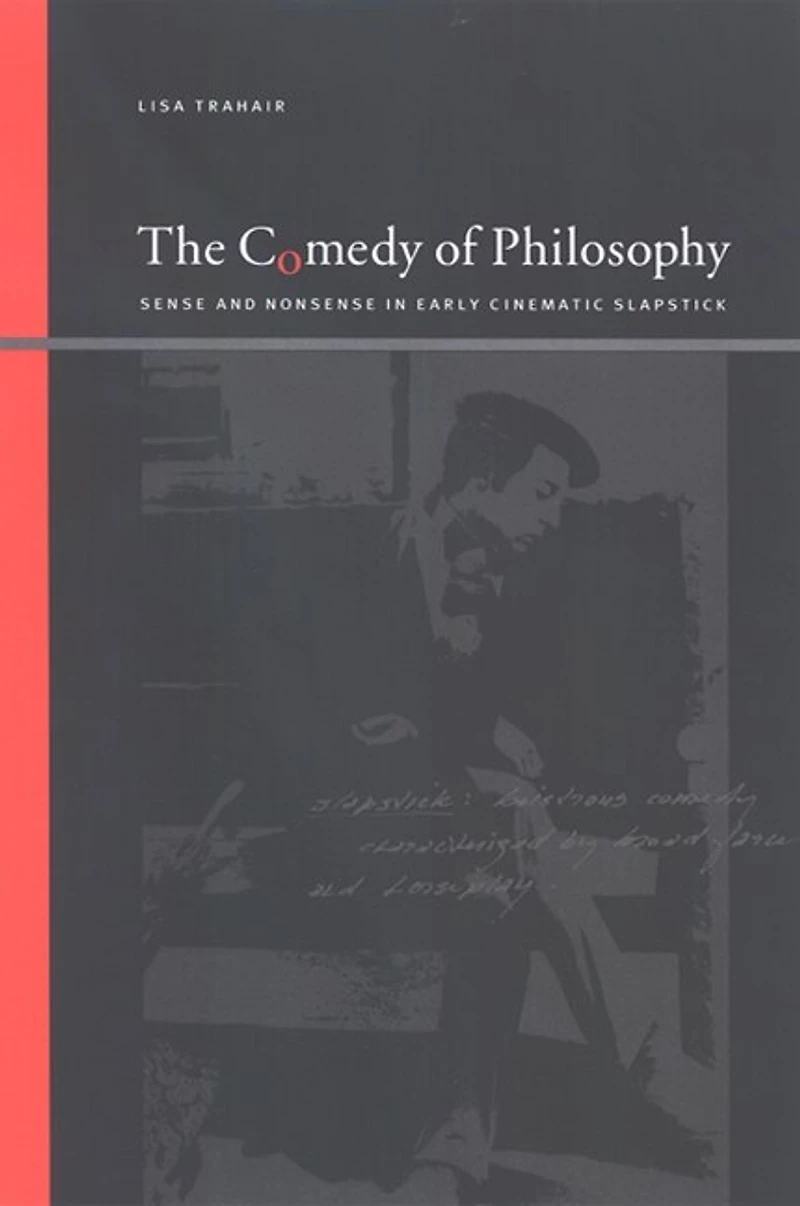
The Comedy of Philosophy: Sense and Nonsense in Early Cinematic Slapstick in Ottawa, ON
Current price: $48.95

The Comedy of Philosophy: Sense and Nonsense in Early Cinematic Slapstick in Ottawa, ON
Current price: $48.95
Loading Inventory...
Size: Paperback
*Product information may vary - to confirm product availability, pricing, shipping and return information please contact Coles
Melds philosophical analysis with early cinematic history to develop a fresh theory of the notion of comedy.
The Comedy of Philosophy brings modern debates in continental philosophy to bear on the historical study of early cinematic comedy. Through the films of Mack Sennett, Buster Keaton, Charlie Chaplin, Harold Lloyd, and the Marx Brothers, Lisa Trahair investigates early cinema's exploration of sense and nonsense by utilizing the contributions to the philosophy of comedy made by Freud and Bataille and by examining significant poststructuralist interpretations of their work. Trahair explores the shift from the excessive physical slapstick of the Mack Sennett era to the so-called structural comedy of the 1920s, and also offers a new perspective on the importance of psychoanalysis for the study of film by focusing on the implications of Freud's theory of the unconscious for our understanding of visuality.
Melds philosophical analysis with early cinematic history to develop a fresh theory of the notion of comedy.
The Comedy of Philosophy brings modern debates in continental philosophy to bear on the historical study of early cinematic comedy. Through the films of Mack Sennett, Buster Keaton, Charlie Chaplin, Harold Lloyd, and the Marx Brothers, Lisa Trahair investigates early cinema's exploration of sense and nonsense by utilizing the contributions to the philosophy of comedy made by Freud and Bataille and by examining significant poststructuralist interpretations of their work. Trahair explores the shift from the excessive physical slapstick of the Mack Sennett era to the so-called structural comedy of the 1920s, and also offers a new perspective on the importance of psychoanalysis for the study of film by focusing on the implications of Freud's theory of the unconscious for our understanding of visuality.
You May Also Like







More About Coles at Bayshore Shopping Centre
Coles is renowned for its outstanding customer service and great selection of books. Along with the vast array of magazines, stationary, audio-books, children's literature, fiction, non-fiction and reference books, you can find accessories to make your reading experience more pleasurable. We can recommend the very best in reading today. We will help you search our titles for exactly what you need, and if we do not have it in stock, we will order it for you.
100 Bayshore Dr, Nepean, ON K2B 8C1, Canada
Find Coles at Bayshore Shopping Centre in Ottawa, ON
Visit Coles at Bayshore Shopping Centre in Ottawa, ON