

Give the Gift of Choice!
Too many options? Treat your friends and family to their favourite stores with a Bayshore Shopping Centre gift card, redeemable at participating retailers throughout the centre. Click below to purchase yours today!Purchase HereHome
The Comic Art of Laurence Sterne
Coles
Loading Inventory...
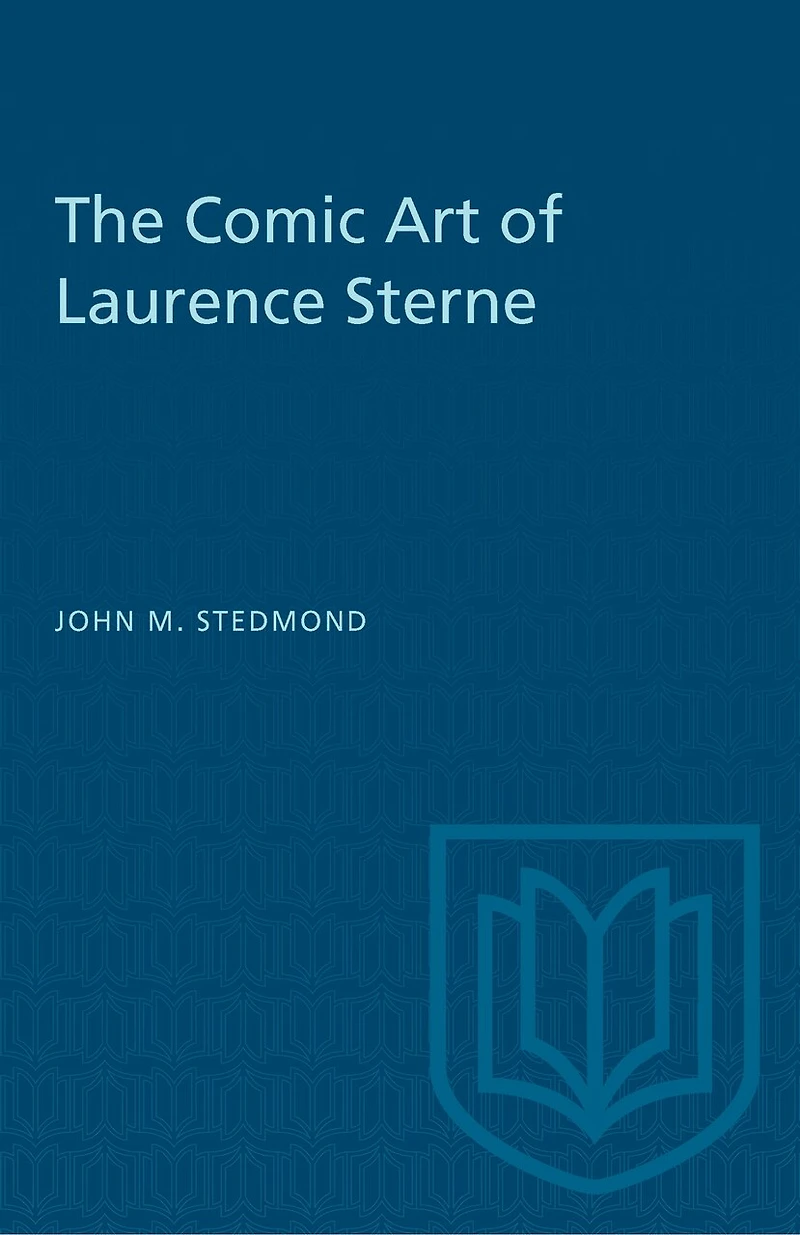
The Comic Art of Laurence Sterne in Ottawa, ON
Current price: $38.75

The Comic Art of Laurence Sterne in Ottawa, ON
Current price: $38.75
Loading Inventory...
Size: Paperback
*Product information may vary - to confirm product availability, pricing, shipping and return information please contact Coles
Paradoxically, the name Sterne connotes both innovation and plagiarism; his writings are a strange mixture of the old and the next but this apparent incongruity helps to explain the nature of his comic art. His works show influences of Rabelais, Cervantes and Montaigne, at the same time foreshadowing modern developments in the “stream-of-consciousness” techniques of such writers as James Joyce, Thomas Mann and Virginia Woolf. In The Comic Art of Laurence Stern Professor Stedmond develops this theme of dichotomy and investigates some of the subtleties of Stern’s complex and allusive method.
The central focus of the study is on Tristam Shandy as comedy and on Sterne’s use of Tristram a clown narrator; other chapters are devoted to the genres to which Tristam Shandy is related, to analysis of style, the satiric as well as the comic elements, and to the significant connections between the Sermons of Mr. Yorick and A Sentimental Journey. The author skillfully examines these various conventions which provide the building material of Sterne’s work, but his main theme is Sterne as a great comic writer primarily concerned with “the comedy of human effort at communication.”
Everyone who likes the works of Laurence Sterne, both the scholar and the general reader, will enjoy this discerning appraisal of Stern’s comic art.
Paradoxically, the name Sterne connotes both innovation and plagiarism; his writings are a strange mixture of the old and the next but this apparent incongruity helps to explain the nature of his comic art. His works show influences of Rabelais, Cervantes and Montaigne, at the same time foreshadowing modern developments in the “stream-of-consciousness” techniques of such writers as James Joyce, Thomas Mann and Virginia Woolf. In The Comic Art of Laurence Stern Professor Stedmond develops this theme of dichotomy and investigates some of the subtleties of Stern’s complex and allusive method.
The central focus of the study is on Tristam Shandy as comedy and on Sterne’s use of Tristram a clown narrator; other chapters are devoted to the genres to which Tristam Shandy is related, to analysis of style, the satiric as well as the comic elements, and to the significant connections between the Sermons of Mr. Yorick and A Sentimental Journey. The author skillfully examines these various conventions which provide the building material of Sterne’s work, but his main theme is Sterne as a great comic writer primarily concerned with “the comedy of human effort at communication.”
Everyone who likes the works of Laurence Sterne, both the scholar and the general reader, will enjoy this discerning appraisal of Stern’s comic art.
You May Also Like







More About Coles at Bayshore Shopping Centre
Coles is renowned for its outstanding customer service and great selection of books. Along with the vast array of magazines, stationary, audio-books, children's literature, fiction, non-fiction and reference books, you can find accessories to make your reading experience more pleasurable. We can recommend the very best in reading today. We will help you search our titles for exactly what you need, and if we do not have it in stock, we will order it for you.
100 Bayshore Dr, Nepean, ON K2B 8C1, Canada
Find Coles at Bayshore Shopping Centre in Ottawa, ON
Visit Coles at Bayshore Shopping Centre in Ottawa, ON