

Give the Gift of Choice!
Too many options? Treat your friends and family to their favourite stores with a Bayshore Shopping Centre gift card, redeemable at participating retailers throughout the centre. Click below to purchase yours today!Purchase HereHome
the Courts of Deccan Sultanates: Living Well Persian Cosmopolis
Coles
Loading Inventory...
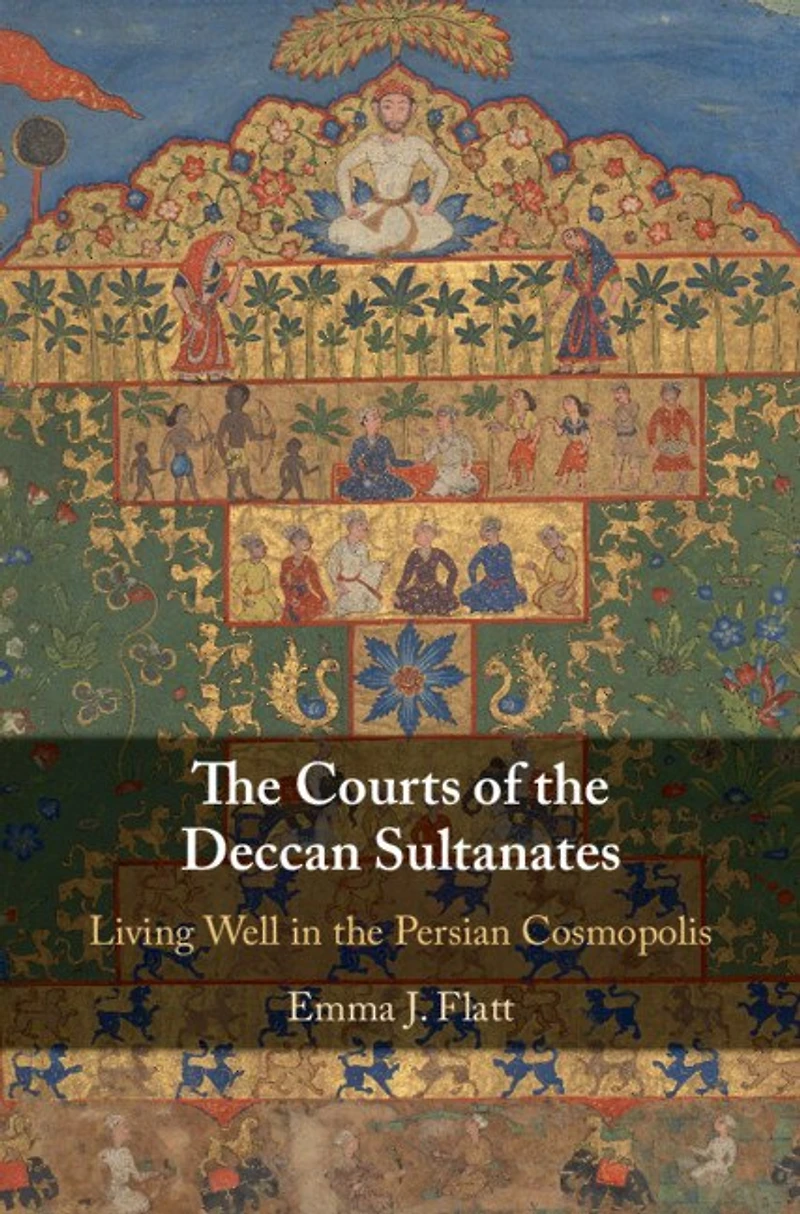
the Courts of Deccan Sultanates: Living Well Persian Cosmopolis in Ottawa, ON
Current price: $145.95

the Courts of Deccan Sultanates: Living Well Persian Cosmopolis in Ottawa, ON
Current price: $145.95
Loading Inventory...
Size: Hardcover
*Product information may vary - to confirm product availability, pricing, shipping and return information please contact Coles
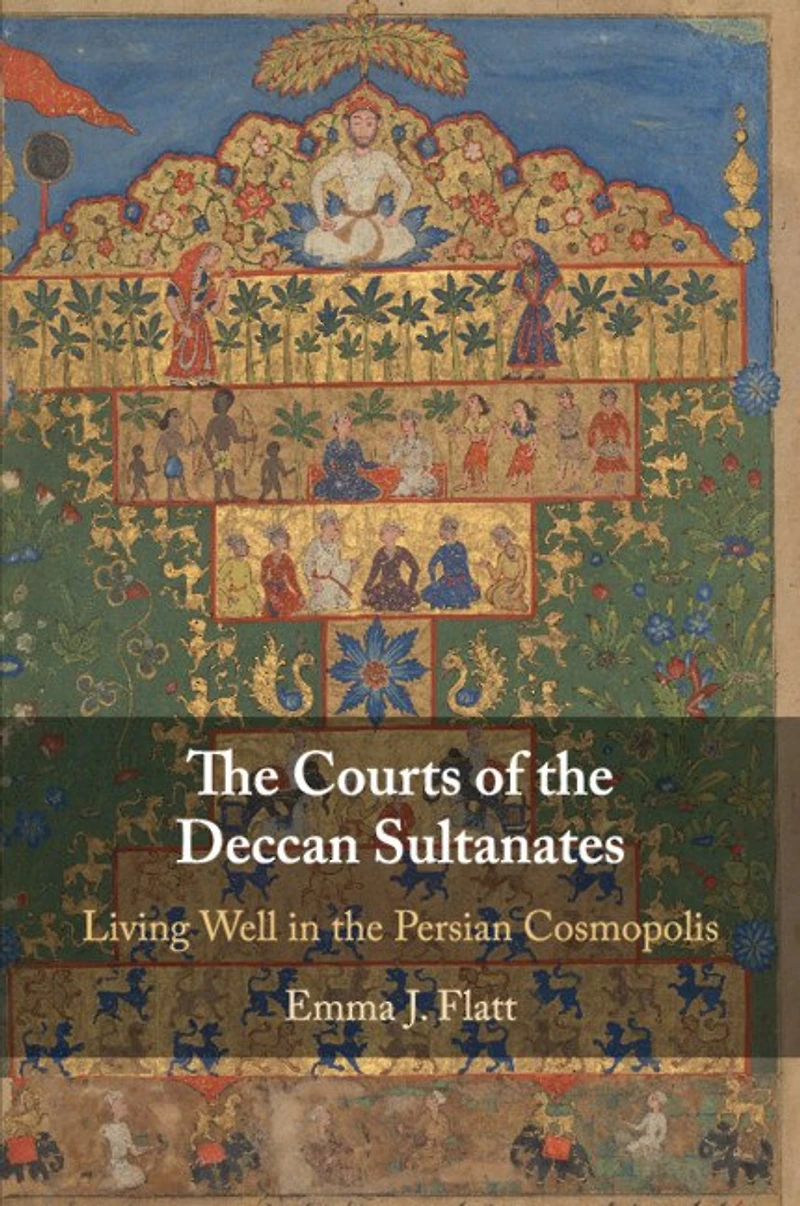
In the late fifteenth and sixteenth centuries, courtliness was crucial to the political and cultural life of the Deccan. Divided between six states competing for territory, resources and skills, the medieval and early modern Deccan was a region of striking ethnic, linguistic and religious diversity. People used multifaceted trans-regional networks - mercantile, kinship, friendship and intellectual - to move across the Persian-speaking world and to find employment at the Deccan courts. This movement, Emma J. Flatt argues, was facilitated by the existence of a shared courtly disposition. Engagement in courtly skills such as letter-writing, perfume-making, astrological divination, performing magic, sword-fighting and wrestling thus became a route to both worldly success and ethical refinement. Using a diverse range of treatises, chronicles, poetry and letters, Flatt unpicks the ways this challenged networks of acceptable behaviour and knowledge in the Indo-Islamicate courtly world - and challenges the idea of perpetual hostility between Islam and Hinduism in Indian history.
In the late fifteenth and sixteenth centuries, courtliness was crucial to the political and cultural life of the Deccan. Divided between six states competing for territory, resources and skills, the medieval and early modern Deccan was a region of striking ethnic, linguistic and religious diversity. People used multifaceted trans-regional networks - mercantile, kinship, friendship and intellectual - to move across the Persian-speaking world and to find employment at the Deccan courts. This movement, Emma J. Flatt argues, was facilitated by the existence of a shared courtly disposition. Engagement in courtly skills such as letter-writing, perfume-making, astrological divination, performing magic, sword-fighting and wrestling thus became a route to both worldly success and ethical refinement. Using a diverse range of treatises, chronicles, poetry and letters, Flatt unpicks the ways this challenged networks of acceptable behaviour and knowledge in the Indo-Islamicate courtly world - and challenges the idea of perpetual hostility between Islam and Hinduism in Indian history.
You May Also Like












More About Coles at Bayshore Shopping Centre
Coles is renowned for its outstanding customer service and great selection of books. Along with the vast array of magazines, stationary, audio-books, children's literature, fiction, non-fiction and reference books, you can find accessories to make your reading experience more pleasurable. We can recommend the very best in reading today. We will help you search our titles for exactly what you need, and if we do not have it in stock, we will order it for you.
100 Bayshore Dr, Nepean, ON K2B 8C1, Canada
Find Coles at Bayshore Shopping Centre in Ottawa, ON
Visit Coles at Bayshore Shopping Centre in Ottawa, ON