

Give the Gift of Choice!
Too many options? Treat your friends and family to their favourite stores with a Bayshore Shopping Centre gift card, redeemable at participating retailers throughout the centre. Click below to purchase yours today!Purchase HereHome
The Critique of Pure Reason
Coles
Loading Inventory...
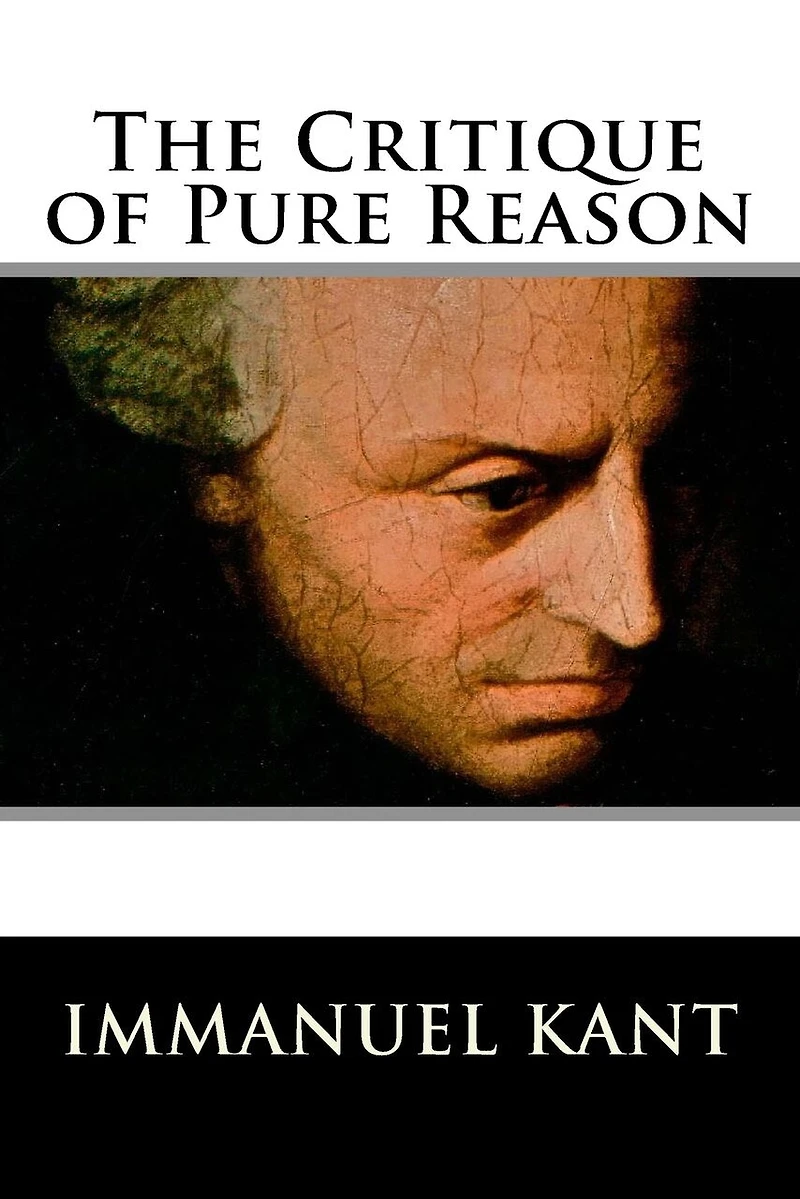
The Critique of Pure Reason in Ottawa, ON
Current price: $36.50

The Critique of Pure Reason in Ottawa, ON
Current price: $36.50
Loading Inventory...
Size: Paperback
*Product information may vary - to confirm product availability, pricing, shipping and return information please contact Coles
The Critique of Pure Reason (1781) is a book by Immanuel Kant that is considered one of the most influential works in the history of philosophy. Also referred to as Kant's First Critique, it was followed by the Critique of Practical Reason (1788) and the Critique of Judgment (1790). In the preface to the first edition Kant explains what he means by critique of pure reason, stating "I do not mean by this a critique of books and systems, but of the faculty of reason in general, in respect of all knowledge after which it may strive independently of all experience." The Critique is an investigation into the foundations and limits of human knowledge, and the extent to which the human mind is able to engage in metaphysics. Kant builds on the work of empiricist philosophers such as John Locke and David Hume, as well as rationalists such as Gottfried Wilhelm Leibniz and Christian Wolff. He expounds new ideas on the nature of space and time, and claims to provide solutions to Hume's scepticism regarding human knowledge of the relation of cause and effect, and René Descartes' scepticism regarding knowledge of the external world. Kant claims to enact a 'Copernican revolution' in philosophy with his doctrine of transcendental idealism, according to which our knowledge does not "conform to objects", but rather objects "conform to our knowledge". According to Kant's doctrine, the human mind shapes and structures the world of experience, making knowledge possible.
The Critique of Pure Reason (1781) is a book by Immanuel Kant that is considered one of the most influential works in the history of philosophy. Also referred to as Kant's First Critique, it was followed by the Critique of Practical Reason (1788) and the Critique of Judgment (1790). In the preface to the first edition Kant explains what he means by critique of pure reason, stating "I do not mean by this a critique of books and systems, but of the faculty of reason in general, in respect of all knowledge after which it may strive independently of all experience." The Critique is an investigation into the foundations and limits of human knowledge, and the extent to which the human mind is able to engage in metaphysics. Kant builds on the work of empiricist philosophers such as John Locke and David Hume, as well as rationalists such as Gottfried Wilhelm Leibniz and Christian Wolff. He expounds new ideas on the nature of space and time, and claims to provide solutions to Hume's scepticism regarding human knowledge of the relation of cause and effect, and René Descartes' scepticism regarding knowledge of the external world. Kant claims to enact a 'Copernican revolution' in philosophy with his doctrine of transcendental idealism, according to which our knowledge does not "conform to objects", but rather objects "conform to our knowledge". According to Kant's doctrine, the human mind shapes and structures the world of experience, making knowledge possible.
You May Also Like









More About Coles at Bayshore Shopping Centre
Coles is renowned for its outstanding customer service and great selection of books. Along with the vast array of magazines, stationary, audio-books, children's literature, fiction, non-fiction and reference books, you can find accessories to make your reading experience more pleasurable. We can recommend the very best in reading today. We will help you search our titles for exactly what you need, and if we do not have it in stock, we will order it for you.
100 Bayshore Dr, Nepean, ON K2B 8C1, Canada
Find Coles at Bayshore Shopping Centre in Ottawa, ON
Visit Coles at Bayshore Shopping Centre in Ottawa, ON