

Give the Gift of Choice!
Too many options? Treat your friends and family to their favourite stores with a Bayshore Shopping Centre gift card, redeemable at participating retailers throughout the centre. Click below to purchase yours today!Purchase HereHome
The Culture of the New Capitalism
Coles
Loading Inventory...
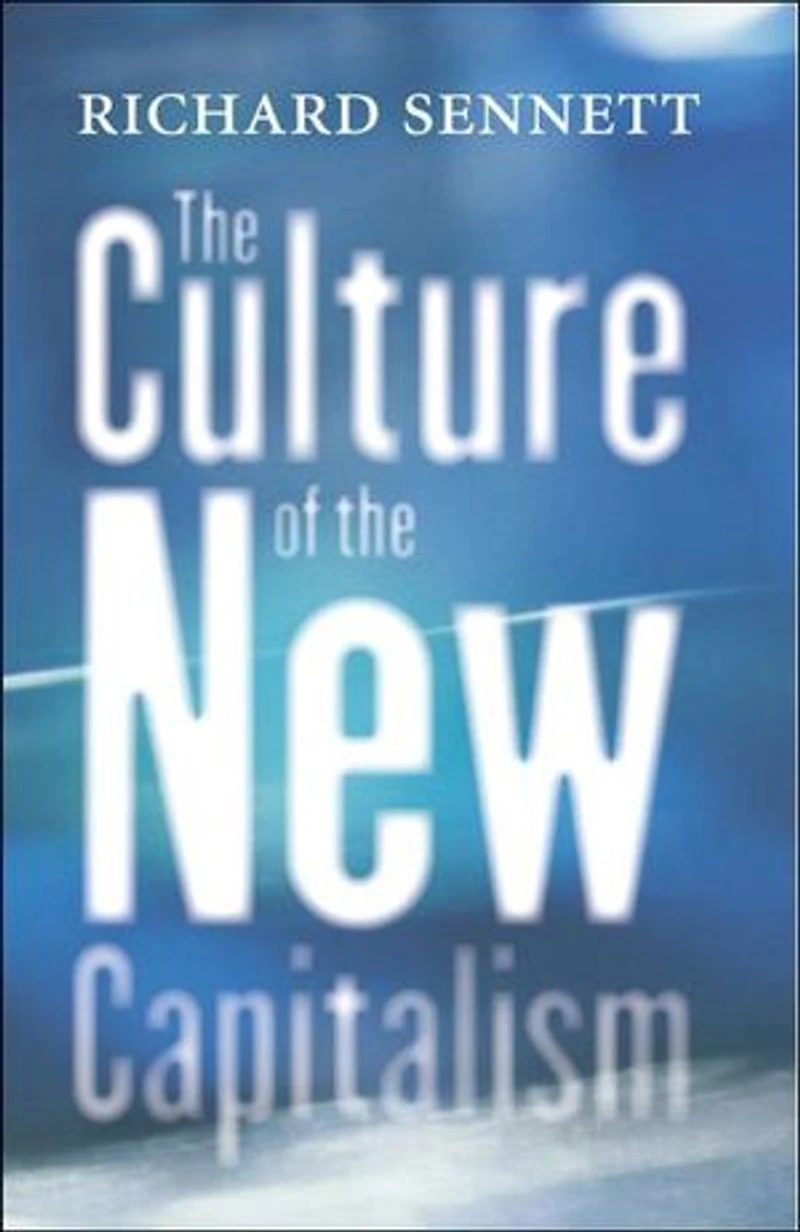
The Culture of the New Capitalism in Ottawa, ON
Current price: $16.29
Original price: $20.36

The Culture of the New Capitalism in Ottawa, ON
Current price: $16.29
Original price: $20.36
Loading Inventory...
Size: Kobo eBook
*Product information may vary - to confirm product availability, pricing, shipping and return information please contact Coles
The distinguished sociologist Richard Sennett surveys major differences between earlier forms of industrial capitalism and the more global, more febrile, ever more mutable version of capitalism that is taking its place. He shows how these changes affect everyday life-how the work ethic is changing; how new beliefs about merit and talent displace old values of craftsmanship and achievement; how what Sennett calls the specter of uselessness” haunts professionals as well as manual workers; how the boundary between consumption and politics is dissolving.In recent years, reformers of both private and public institutions have preached that flexible, global corporations provide a model of freedom for individuals, unlike the experience of fixed and static bureaucracies Max Weber once called an iron cage.” Sennett argues that, in banishing old ills, the new-economy model has created new social and emotional traumas. Only a certain kind of human being can prosper in unstable, fragmentary institutions: the culture of the new capitalism demands an ideal self oriented to the short term, focused on potential ability rather than accomplishment, willing to discount or abandon past experience. In a concluding section, Sennett examines a more durable form of self hood, and what practical initiatives could counter the pernicious effects of reform.”
The distinguished sociologist Richard Sennett surveys major differences between earlier forms of industrial capitalism and the more global, more febrile, ever more mutable version of capitalism that is taking its place. He shows how these changes affect everyday life-how the work ethic is changing; how new beliefs about merit and talent displace old values of craftsmanship and achievement; how what Sennett calls the specter of uselessness” haunts professionals as well as manual workers; how the boundary between consumption and politics is dissolving.In recent years, reformers of both private and public institutions have preached that flexible, global corporations provide a model of freedom for individuals, unlike the experience of fixed and static bureaucracies Max Weber once called an iron cage.” Sennett argues that, in banishing old ills, the new-economy model has created new social and emotional traumas. Only a certain kind of human being can prosper in unstable, fragmentary institutions: the culture of the new capitalism demands an ideal self oriented to the short term, focused on potential ability rather than accomplishment, willing to discount or abandon past experience. In a concluding section, Sennett examines a more durable form of self hood, and what practical initiatives could counter the pernicious effects of reform.”
You May Also Like














More About Coles at Bayshore Shopping Centre
Coles is renowned for its outstanding customer service and great selection of books. Along with the vast array of magazines, stationary, audio-books, children's literature, fiction, non-fiction and reference books, you can find accessories to make your reading experience more pleasurable. We can recommend the very best in reading today. We will help you search our titles for exactly what you need, and if we do not have it in stock, we will order it for you.
100 Bayshore Dr, Nepean, ON K2B 8C1, Canada
Find Coles at Bayshore Shopping Centre in Ottawa, ON
Visit Coles at Bayshore Shopping Centre in Ottawa, ON