

Give the Gift of Choice!
Too many options? Treat your friends and family to their favourite stores with a Bayshore Shopping Centre gift card, redeemable at participating retailers throughout the centre. Click below to purchase yours today!Purchase HereHome
The Darkroom
Coles
Loading Inventory...

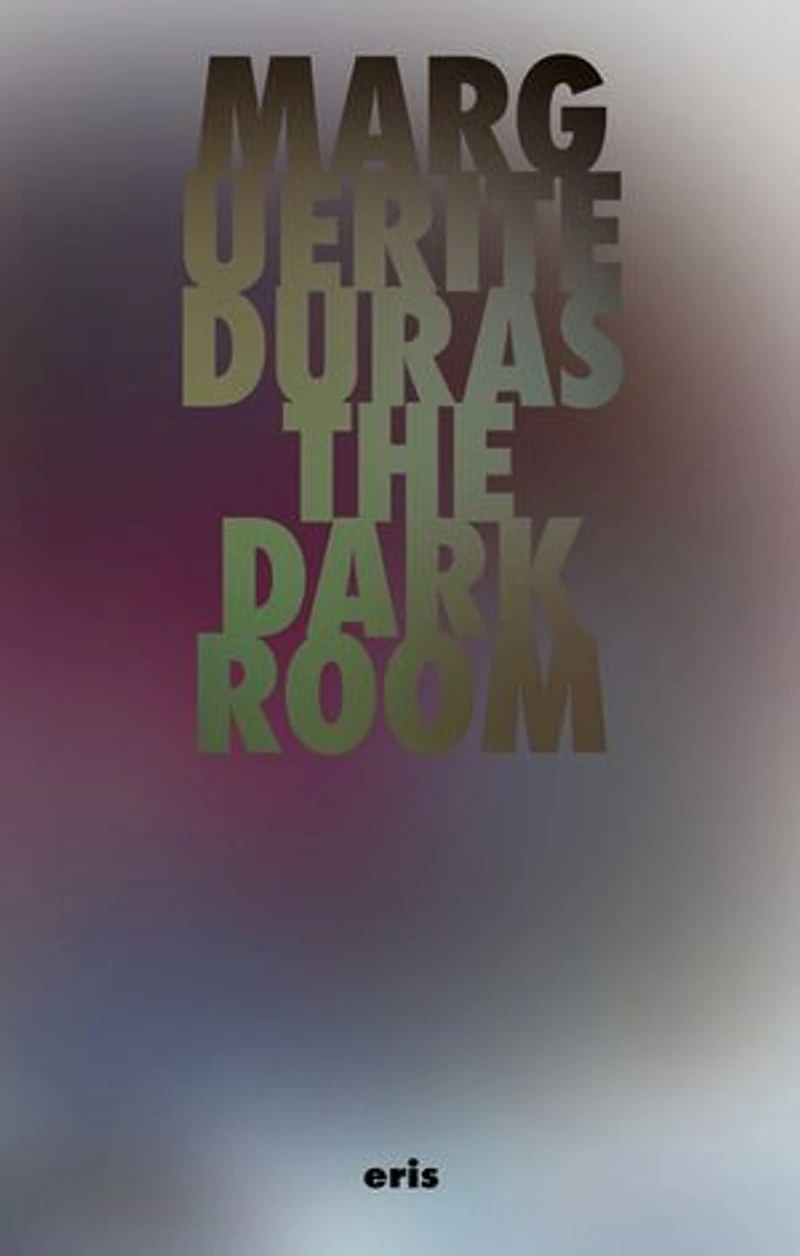
The Darkroom in Ottawa, ON
Current price: $130.00

The Darkroom in Ottawa, ON
Current price: $130.00
Loading Inventory...
Size: Hardcover
*Product information may vary - to confirm product availability, pricing, shipping and return information please contact Coles
“One must make films with this knowledge: there’s no point anymore. Let film meet its end, that’s the only cinema.”
The Darkroom contains the script for Marguerite Duras’s 1977 radically experimental film Le camion ( The Truck ). Between images of a truck in motion, juxtaposed voiceovers, and cutaways to Duras in conversation with Gérard Depardieu, Le camion turns the art of film into a means of enabling the viewer to engage multiple faculties—not only the visual and the aural, but also memory, imagination, and desire.
Also included here is a series of short essays in which Duras makes provocative connections between film and textuality, as well as a fascinating dialogue with Michelle Porte. Together amounting to a crucial contribution to the field of film theory, these texts make brilliantly apparent the depth and integrity of Duras’s aesthetic, philosophical, and political thinking.
“One must make films with this knowledge: there’s no point anymore. Let film meet its end, that’s the only cinema.”
The Darkroom contains the script for Marguerite Duras’s 1977 radically experimental film Le camion ( The Truck ). Between images of a truck in motion, juxtaposed voiceovers, and cutaways to Duras in conversation with Gérard Depardieu, Le camion turns the art of film into a means of enabling the viewer to engage multiple faculties—not only the visual and the aural, but also memory, imagination, and desire.
Also included here is a series of short essays in which Duras makes provocative connections between film and textuality, as well as a fascinating dialogue with Michelle Porte. Together amounting to a crucial contribution to the field of film theory, these texts make brilliantly apparent the depth and integrity of Duras’s aesthetic, philosophical, and political thinking.
You May Also Like










More About Coles at Bayshore Shopping Centre
Coles is renowned for its outstanding customer service and great selection of books. Along with the vast array of magazines, stationary, audio-books, children's literature, fiction, non-fiction and reference books, you can find accessories to make your reading experience more pleasurable. We can recommend the very best in reading today. We will help you search our titles for exactly what you need, and if we do not have it in stock, we will order it for you.
100 Bayshore Dr, Nepean, ON K2B 8C1, Canada
Find Coles at Bayshore Shopping Centre in Ottawa, ON
Visit Coles at Bayshore Shopping Centre in Ottawa, ON