

Give the Gift of Choice!
Too many options? Treat your friends and family to their favourite stores with a Bayshore Shopping Centre gift card, redeemable at participating retailers throughout the centre. Click below to purchase yours today!Purchase HereHome
The Devil Within: Possession & Exorcism in the Christian West
Coles
Loading Inventory...
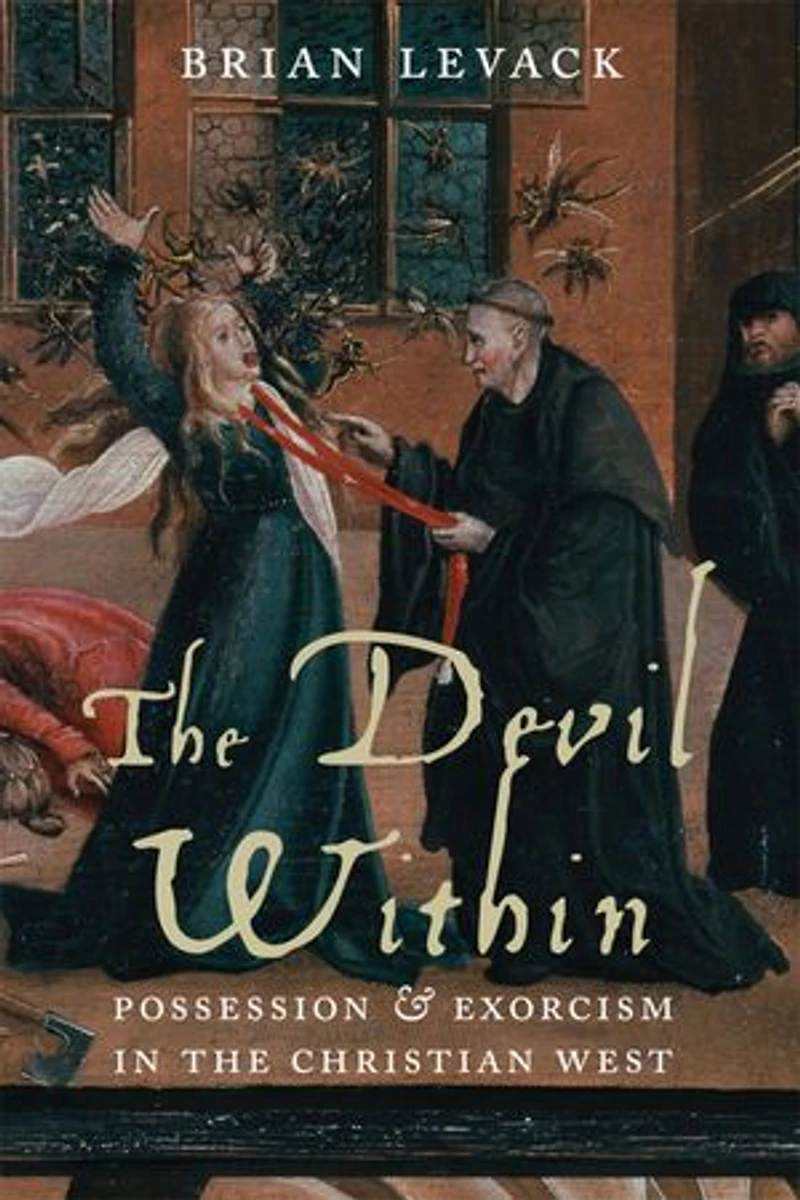
The Devil Within: Possession & Exorcism in the Christian West in Ottawa, ON
Current price: $17.59
Original price: $21.99

The Devil Within: Possession & Exorcism in the Christian West in Ottawa, ON
Current price: $17.59
Original price: $21.99
Loading Inventory...
Size: Kobo eBook
*Product information may vary - to confirm product availability, pricing, shipping and return information please contact Coles
A fascinating, wide-ranging survey of the history of demon possession and exorcism through the ages.
In the sixteenth and seventeenth centuries, the era of the Reformation, thousands of Europeans were thought to be possessed by demons. In response to their horrifying symptoms—violent convulsions, displays of preternatural strength, vomiting of foreign objects, displaying contempt for sacred objects, and others—exorcists were summoned to expel the evil spirits from victims' bodies. This compelling book focuses on possession and exorcism in the Reformation period, but also reaches back to the fifteenth century and forward to our own times.
Entire convents of nuns in French, Italian, and Spanish towns, thirty boys in an Amsterdam orphanage, a small group of young girls in Salem, Massachusetts—these are among the instances of demon possession in the United States and throughout Europe that Brian Levack closely examines, taking into account the diverse interpretations of generations of theologians, biblical scholars, pastors, physicians, anthropologists, psychiatrists, and historians. Challenging the commonly held belief that possession signals physical or mental illness, the author argues that demoniacs and exorcists—consciously or not—are following their various religious cultures, and their performances can only be understood in those contexts.
"Riveting [and] readable . . . must-reading for students of history, psychology and religion." — Publishers Weekly
"Levak, a distinguished historian of early modern witchcraft, now sets exorcism in a long historical perspective, providing the most comprehensive and scholarly overview of the theme yet published." —Peter Marshall, Times Literary Supplement
A fascinating, wide-ranging survey of the history of demon possession and exorcism through the ages.
In the sixteenth and seventeenth centuries, the era of the Reformation, thousands of Europeans were thought to be possessed by demons. In response to their horrifying symptoms—violent convulsions, displays of preternatural strength, vomiting of foreign objects, displaying contempt for sacred objects, and others—exorcists were summoned to expel the evil spirits from victims' bodies. This compelling book focuses on possession and exorcism in the Reformation period, but also reaches back to the fifteenth century and forward to our own times.
Entire convents of nuns in French, Italian, and Spanish towns, thirty boys in an Amsterdam orphanage, a small group of young girls in Salem, Massachusetts—these are among the instances of demon possession in the United States and throughout Europe that Brian Levack closely examines, taking into account the diverse interpretations of generations of theologians, biblical scholars, pastors, physicians, anthropologists, psychiatrists, and historians. Challenging the commonly held belief that possession signals physical or mental illness, the author argues that demoniacs and exorcists—consciously or not—are following their various religious cultures, and their performances can only be understood in those contexts.
"Riveting [and] readable . . . must-reading for students of history, psychology and religion." — Publishers Weekly
"Levak, a distinguished historian of early modern witchcraft, now sets exorcism in a long historical perspective, providing the most comprehensive and scholarly overview of the theme yet published." —Peter Marshall, Times Literary Supplement
You May Also Like














More About Coles at Bayshore Shopping Centre
Coles is renowned for its outstanding customer service and great selection of books. Along with the vast array of magazines, stationary, audio-books, children's literature, fiction, non-fiction and reference books, you can find accessories to make your reading experience more pleasurable. We can recommend the very best in reading today. We will help you search our titles for exactly what you need, and if we do not have it in stock, we will order it for you.
100 Bayshore Dr, Nepean, ON K2B 8C1, Canada
Find Coles at Bayshore Shopping Centre in Ottawa, ON
Visit Coles at Bayshore Shopping Centre in Ottawa, ON