

Give the Gift of Choice!
Too many options? Treat your friends and family to their favourite stores with a Bayshore Shopping Centre gift card, redeemable at participating retailers throughout the centre. Click below to purchase yours today!Purchase HereHome
The Doctrine of the Soul and Resurrection in Saint Gregory of Nyssa
Coles
Loading Inventory...
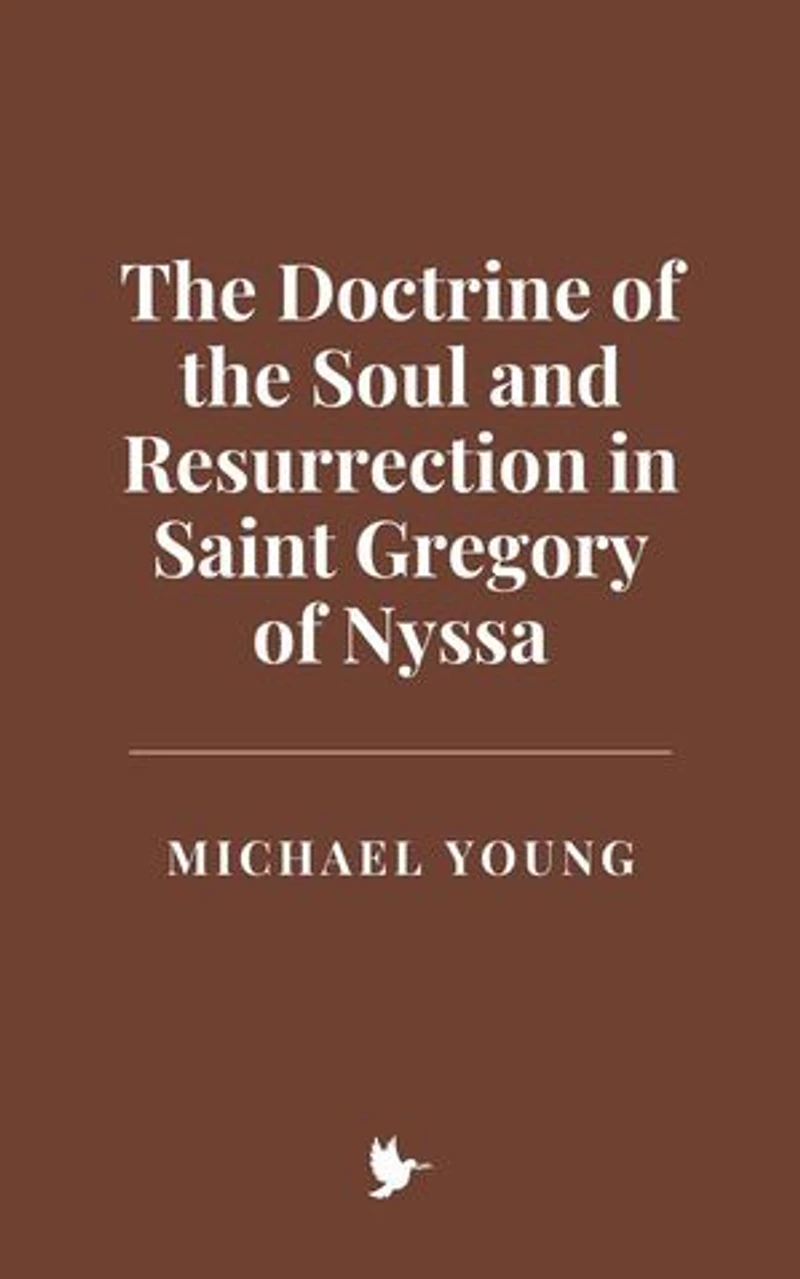
The Doctrine of the Soul and Resurrection in Saint Gregory of Nyssa in Ottawa, ON
Current price: $4.99

The Doctrine of the Soul and Resurrection in Saint Gregory of Nyssa in Ottawa, ON
Current price: $4.99
Loading Inventory...
Size: Kobo eBook
*Product information may vary - to confirm product availability, pricing, shipping and return information please contact Coles
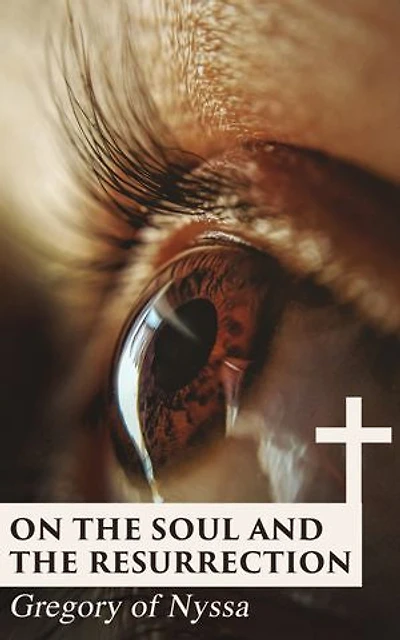
Gregory of Nyssa, one of the most influential theologians of the early Christian Church, made profound contributions to Christian eschatology, particularly with his views on the resurrection, the soul, and salvation. His teachings provided a transformative understanding of the human person's ultimate destiny, emphasizing not just the resurrection of the body but its glorification and union with the soul in a perfected state. Gregory's vision of salvation as a dynamic, ongoing process of deification, rooted in divine grace, stands in contrast to dualistic and punitive models of salvation, focusing instead on restoration and healing. His concept of epektasis , or infinite spiritual progress, shaped Eastern Orthodox thought, providing a vision of eternity as a continuous journey toward deeper union with God. Gregory also advanced the doctrine of universal restoration ( apokatastasis ), where even the separated soul has the potential for eventual reconciliation with God. His eschatological ideas, including the resurrection's cosmic scope and the transformative power of divine justice, influenced both Eastern Orthodox theology and Christian mysticism, leaving a legacy that continues to shape Christian doctrine and spirituality today.
Gregory of Nyssa, one of the most influential theologians of the early Christian Church, made profound contributions to Christian eschatology, particularly with his views on the resurrection, the soul, and salvation. His teachings provided a transformative understanding of the human person's ultimate destiny, emphasizing not just the resurrection of the body but its glorification and union with the soul in a perfected state. Gregory's vision of salvation as a dynamic, ongoing process of deification, rooted in divine grace, stands in contrast to dualistic and punitive models of salvation, focusing instead on restoration and healing. His concept of epektasis , or infinite spiritual progress, shaped Eastern Orthodox thought, providing a vision of eternity as a continuous journey toward deeper union with God. Gregory also advanced the doctrine of universal restoration ( apokatastasis ), where even the separated soul has the potential for eventual reconciliation with God. His eschatological ideas, including the resurrection's cosmic scope and the transformative power of divine justice, influenced both Eastern Orthodox theology and Christian mysticism, leaving a legacy that continues to shape Christian doctrine and spirituality today.
You May Also Like







More About Coles at Bayshore Shopping Centre
Coles is renowned for its outstanding customer service and great selection of books. Along with the vast array of magazines, stationary, audio-books, children's literature, fiction, non-fiction and reference books, you can find accessories to make your reading experience more pleasurable. We can recommend the very best in reading today. We will help you search our titles for exactly what you need, and if we do not have it in stock, we will order it for you.
100 Bayshore Dr, Nepean, ON K2B 8C1, Canada
Find Coles at Bayshore Shopping Centre in Ottawa, ON
Visit Coles at Bayshore Shopping Centre in Ottawa, ON