

Give the Gift of Choice!
Too many options? Treat your friends and family to their favourite stores with a Bayshore Shopping Centre gift card, redeemable at participating retailers throughout the centre. Click below to purchase yours today!Purchase HereHome
The Dutch and German Communist Left (1900–68): ‘Neither Lenin nor Trotsky nor Stalin!’ - ‘All Workers Must Think for Themselves!’
Coles
Loading Inventory...
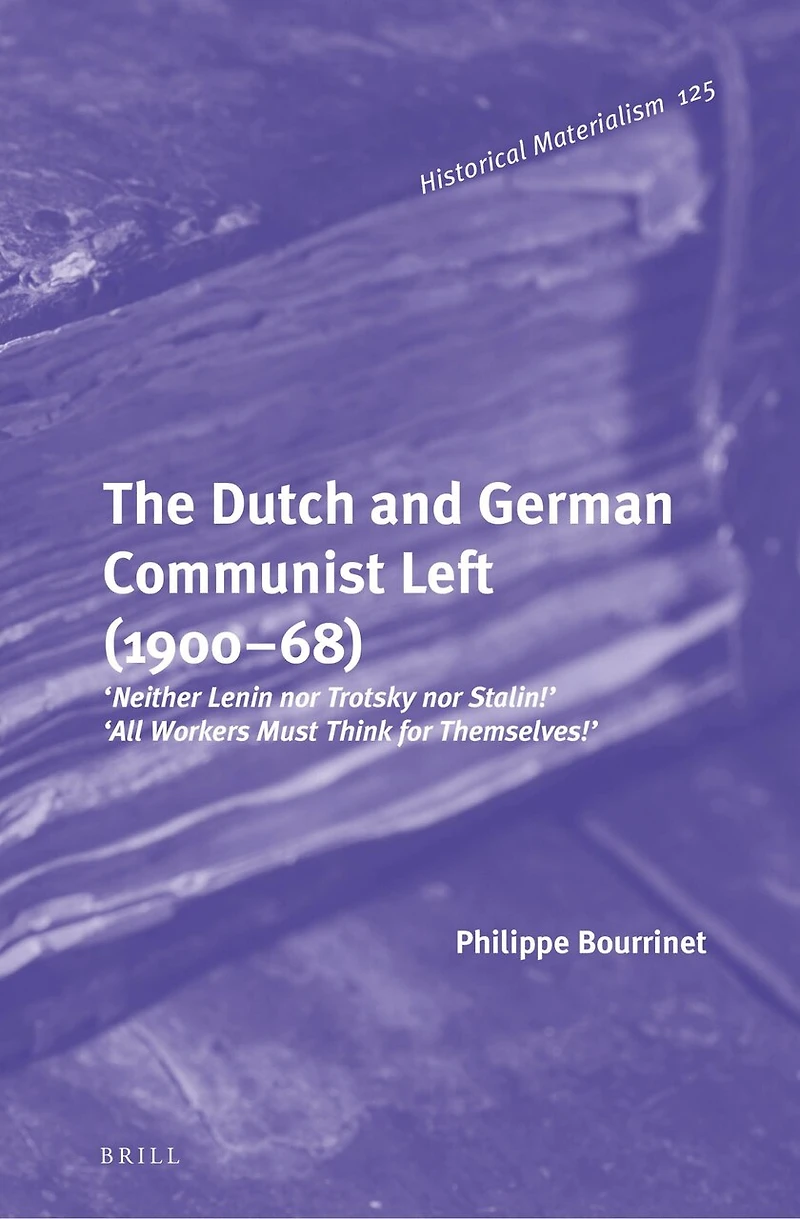
The Dutch and German Communist Left (1900–68): ‘Neither Lenin nor Trotsky nor Stalin!’ - ‘All Workers Must Think for Themselves!’ in Ottawa, ON
Current price: $376.99

The Dutch and German Communist Left (1900–68): ‘Neither Lenin nor Trotsky nor Stalin!’ - ‘All Workers Must Think for Themselves!’ in Ottawa, ON
Current price: $376.99
Loading Inventory...
Size: Hardcover
*Product information may vary - to confirm product availability, pricing, shipping and return information please contact Coles
The Dutch-German Communist Left, represented by the German KAPD-AAUD, the Dutch KAPN and the Bulgarian Communist Workers Party, separated from the Comintern (1921) on questions like electoralism, trade-unionism, united fronts, the one-party state and anti-proletarian violence. It attracted the ire of Lenin, who wrote his Left Wing Communism, An Infantile Disorder against the Linkskommunismus , while Herman Gorter wrote a famous response in his pamphlet Reply to Lenin . The present volume provides the most substantial history to date of this tendency in the twentieth-century Communist movement. It covers how the Communist left, with the KAPD-AAU, denounced 'party communism' and 'state capitalism' in Russia; how the German left survived after 1933 in the shape of the Dutch GIK and Paul Mattick’s councils movement in the USA; and also how the Dutch Communistenbond Spartacus continued to fight after 1942 for the world power of the workers councils, as theorised by Pannekoek in his book Workers’ Councils (1946).
The Dutch-German Communist Left, represented by the German KAPD-AAUD, the Dutch KAPN and the Bulgarian Communist Workers Party, separated from the Comintern (1921) on questions like electoralism, trade-unionism, united fronts, the one-party state and anti-proletarian violence. It attracted the ire of Lenin, who wrote his Left Wing Communism, An Infantile Disorder against the Linkskommunismus , while Herman Gorter wrote a famous response in his pamphlet Reply to Lenin . The present volume provides the most substantial history to date of this tendency in the twentieth-century Communist movement. It covers how the Communist left, with the KAPD-AAU, denounced 'party communism' and 'state capitalism' in Russia; how the German left survived after 1933 in the shape of the Dutch GIK and Paul Mattick’s councils movement in the USA; and also how the Dutch Communistenbond Spartacus continued to fight after 1942 for the world power of the workers councils, as theorised by Pannekoek in his book Workers’ Councils (1946).














More About Coles at Bayshore Shopping Centre
Coles is renowned for its outstanding customer service and great selection of books. Along with the vast array of magazines, stationary, audio-books, children's literature, fiction, non-fiction and reference books, you can find accessories to make your reading experience more pleasurable. We can recommend the very best in reading today. We will help you search our titles for exactly what you need, and if we do not have it in stock, we will order it for you.
100 Bayshore Dr, Nepean, ON K2B 8C1, Canada
Find Coles at Bayshore Shopping Centre in Ottawa, ON
Visit Coles at Bayshore Shopping Centre in Ottawa, ON