

Give the Gift of Choice!
Too many options? Treat your friends and family to their favourite stores with a Bayshore Shopping Centre gift card, redeemable at participating retailers throughout the centre. Click below to purchase yours today!Purchase HereHome
The Dyslexia Debate Revisited
Coles
Loading Inventory...
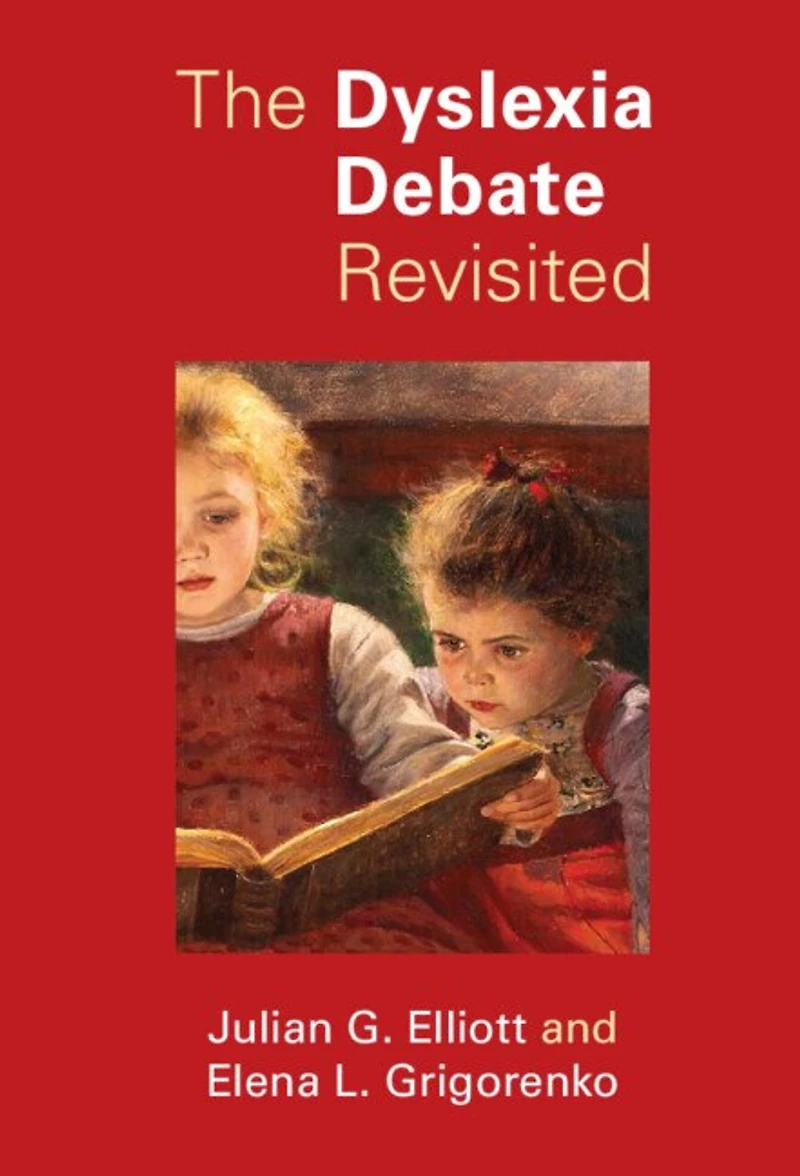
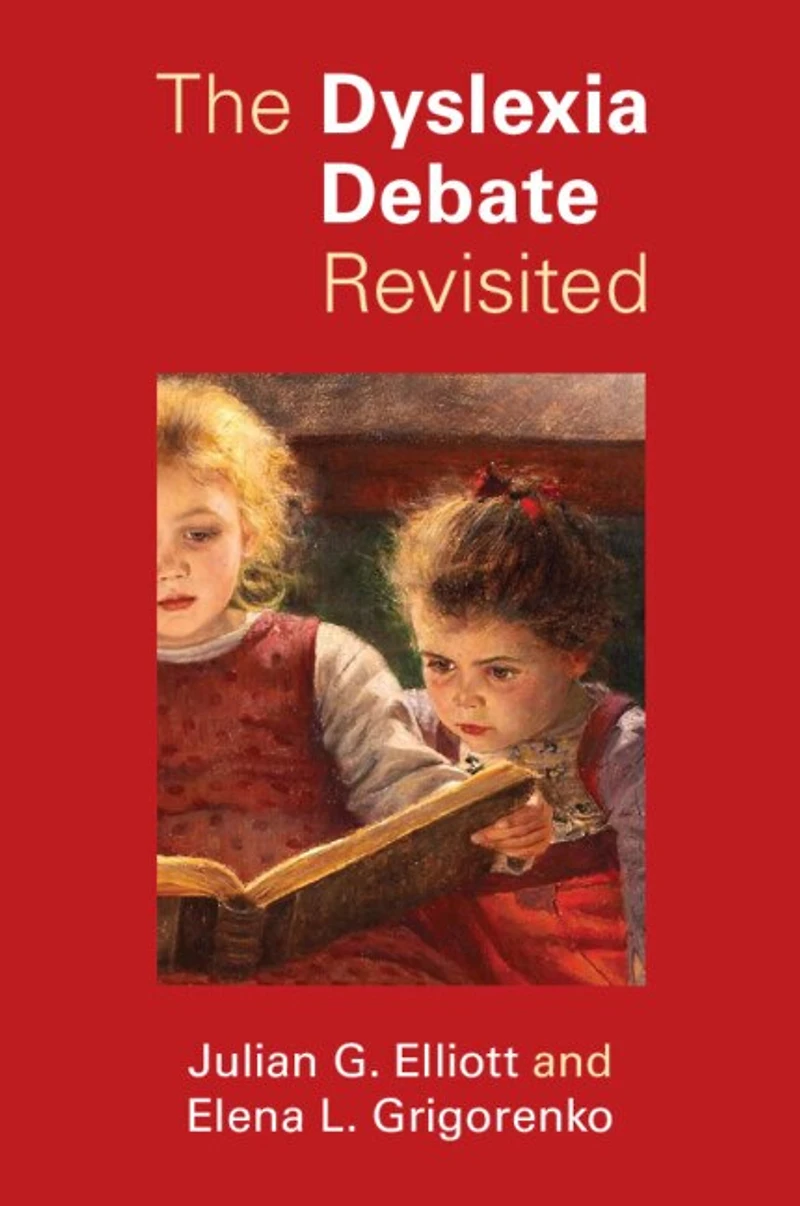
The Dyslexia Debate Revisited in Ottawa, ON
Current price: $144.95

The Dyslexia Debate Revisited in Ottawa, ON
Current price: $144.95
Loading Inventory...
Size: Hardcover
*Product information may vary - to confirm product availability, pricing, shipping and return information please contact Coles
In every country, and in every language, a significant proportion of children struggle to master the skill of reading. In 2014, The Dyslexia Debate examined the problematic interpretation of the term 'dyslexia' as well as questioning its efficacy as a diagnosis. Ten years on, The Dyslexia Debate Revisited reflects on the changes in dyslexia assessment and treatment over the last decade, including the introduction of dyslexia legislation in many US states. Addressing the critical responses to their original challenge of the dyslexia construct, Julian G. Elliott and Elena L. Grigorenko also consider why, despite scientific critiques, existing dyslexia conceptions and assessment practices continue to be highly attractive to many professionals, individuals, and families. Based on current scientific knowledge, the authors strive to promote a shared understanding of reading difficulties and emphasize the importance of providing timely and appropriate intervention and support to anyone who faces difficulties with learning to read.
In every country, and in every language, a significant proportion of children struggle to master the skill of reading. In 2014, The Dyslexia Debate examined the problematic interpretation of the term 'dyslexia' as well as questioning its efficacy as a diagnosis. Ten years on, The Dyslexia Debate Revisited reflects on the changes in dyslexia assessment and treatment over the last decade, including the introduction of dyslexia legislation in many US states. Addressing the critical responses to their original challenge of the dyslexia construct, Julian G. Elliott and Elena L. Grigorenko also consider why, despite scientific critiques, existing dyslexia conceptions and assessment practices continue to be highly attractive to many professionals, individuals, and families. Based on current scientific knowledge, the authors strive to promote a shared understanding of reading difficulties and emphasize the importance of providing timely and appropriate intervention and support to anyone who faces difficulties with learning to read.








More About Coles at Bayshore Shopping Centre
Coles is renowned for its outstanding customer service and great selection of books. Along with the vast array of magazines, stationary, audio-books, children's literature, fiction, non-fiction and reference books, you can find accessories to make your reading experience more pleasurable. We can recommend the very best in reading today. We will help you search our titles for exactly what you need, and if we do not have it in stock, we will order it for you.
100 Bayshore Dr, Nepean, ON K2B 8C1, Canada
Find Coles at Bayshore Shopping Centre in Ottawa, ON
Visit Coles at Bayshore Shopping Centre in Ottawa, ON