

Give the Gift of Choice!
Too many options? Treat your friends and family to their favourite stores with a Bayshore Shopping Centre gift card, redeemable at participating retailers throughout the centre. Click below to purchase yours today!Purchase HereHome
The Early Modern Subject: Self-Consciousness and Personal Identity from Descartes to Hume
Coles
Loading Inventory...
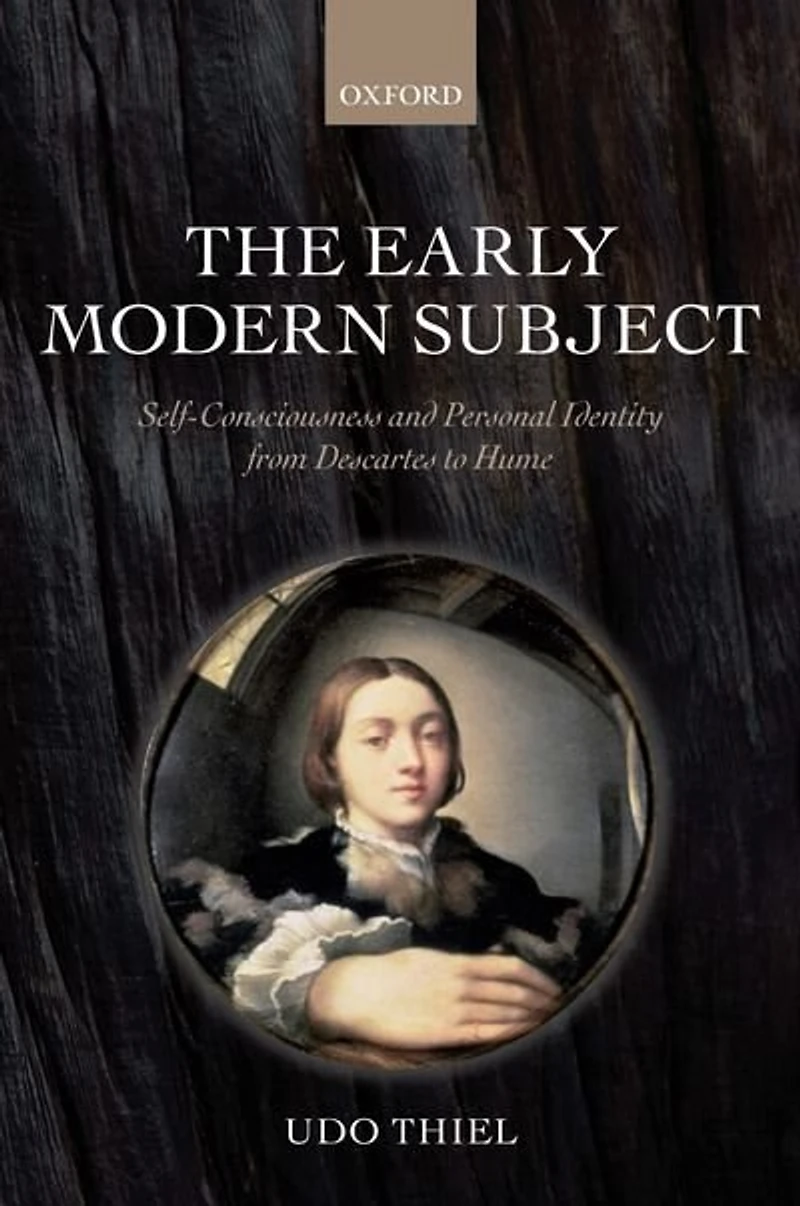
The Early Modern Subject: Self-Consciousness and Personal Identity from Descartes to Hume in Ottawa, ON
Current price: $151.50

The Early Modern Subject: Self-Consciousness and Personal Identity from Descartes to Hume in Ottawa, ON
Current price: $151.50
Loading Inventory...
Size: Hardcover
*Product information may vary - to confirm product availability, pricing, shipping and return information please contact Coles
The Early Modern Subject explores the understanding of self-consciousness and personal identity - two fundamental features of human subjectivity - as it developed in early modern philosophy. Udo Thiel presents a critical evaluation of these features as they were conceived in the seventeenth and eighteenth centuries. He explains the arguments of thinkers such as Descartes, Locke, Leibniz, Wolff, and Hume, as well as their early critics, followers, and other philosophical contemporaries, and situates them within their historical contexts.
Interest in the issues of self-consciousness and personal identity is in many ways characteristic and even central to early modern thought, but Thiel argues here that this is an interest that continues to this day, in a form still strongly influenced by the conceptual frameworks of early modern thought. In this book he attempts to broaden the scope of the treatment of these issues considerably, covering more than a hundred years of philosophical debate in France, Britain, and Germany while remaining attentive to the details of the arguments under scrutiny and discussing alternative interpretations in many cases.
The Early Modern Subject explores the understanding of self-consciousness and personal identity - two fundamental features of human subjectivity - as it developed in early modern philosophy. Udo Thiel presents a critical evaluation of these features as they were conceived in the seventeenth and eighteenth centuries. He explains the arguments of thinkers such as Descartes, Locke, Leibniz, Wolff, and Hume, as well as their early critics, followers, and other philosophical contemporaries, and situates them within their historical contexts.
Interest in the issues of self-consciousness and personal identity is in many ways characteristic and even central to early modern thought, but Thiel argues here that this is an interest that continues to this day, in a form still strongly influenced by the conceptual frameworks of early modern thought. In this book he attempts to broaden the scope of the treatment of these issues considerably, covering more than a hundred years of philosophical debate in France, Britain, and Germany while remaining attentive to the details of the arguments under scrutiny and discussing alternative interpretations in many cases.
You May Also Like










More About Coles at Bayshore Shopping Centre
Coles is renowned for its outstanding customer service and great selection of books. Along with the vast array of magazines, stationary, audio-books, children's literature, fiction, non-fiction and reference books, you can find accessories to make your reading experience more pleasurable. We can recommend the very best in reading today. We will help you search our titles for exactly what you need, and if we do not have it in stock, we will order it for you.
100 Bayshore Dr, Nepean, ON K2B 8C1, Canada
Find Coles at Bayshore Shopping Centre in Ottawa, ON
Visit Coles at Bayshore Shopping Centre in Ottawa, ON