

Give the Gift of Choice!
Too many options? Treat your friends and family to their favourite stores with a Bayshore Shopping Centre gift card, redeemable at participating retailers throughout the centre. Click below to purchase yours today!Purchase HereHome
The Earth Sciences in Canada
Coles
Loading Inventory...
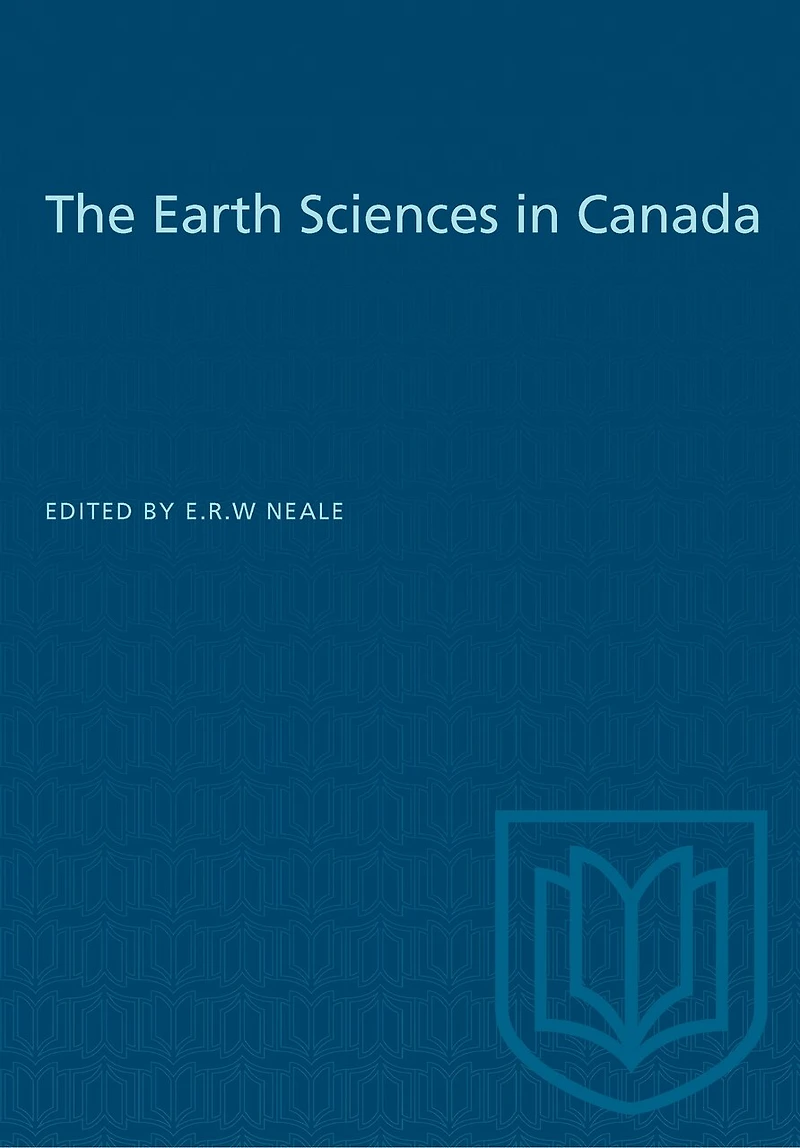
The Earth Sciences in Canada in Ottawa, ON
Current price: $53.03

The Earth Sciences in Canada in Ottawa, ON
Current price: $53.03
Loading Inventory...
Size: Paperback
*Product information may vary - to confirm product availability, pricing, shipping and return information please contact Coles
In June 1967, the Earth Science Division of the Royal Society of Canada held a symposium to assess the country’s activities and accomplishments in the earth sciences and to provide some guidelines and predictions for the future. The papers given at the symposium and collected in this volume are devoted chiefly to the topics of university teaching, basic research, and applied science. The authors, all eminent figures in the field of Canadian earth sciences and mineral industry, trace the trends of the past few years, indicate how and why they developed, and analyse the problems encountered.
An introductory paper by three senior scientific policy makers describes the organization of the earth sciences in Canada today. Included here are the recommendations for an amalgamation of all the sciences dealing with the solid earth and a freer interchange of scientists between government, industrial, and university laboratories. This essay also points out that universities have a great deal of influence and industry comparatively little upon the expenditure of large sums of government money in support of the earth sciences.
Following this, twelve papers review developments in most of the major sub-disciplines: petrology, stratigraphy, palaeontology, geochronology, hydrogeology, geochemistry, and geophysics, together with their application to engineering projects and the search for petroleum, metallic mineral deposits, and ground water. Although a certain amount of planned overlap brings out different opinions on specific points, there is concurrence on major matters which includes the almost unanimous agreement that the earth sciences in Canada are passing through a critical period of transition as the reconnaissance phase draws to a close and an emphasis on quantification develops.
In June 1967, the Earth Science Division of the Royal Society of Canada held a symposium to assess the country’s activities and accomplishments in the earth sciences and to provide some guidelines and predictions for the future. The papers given at the symposium and collected in this volume are devoted chiefly to the topics of university teaching, basic research, and applied science. The authors, all eminent figures in the field of Canadian earth sciences and mineral industry, trace the trends of the past few years, indicate how and why they developed, and analyse the problems encountered.
An introductory paper by three senior scientific policy makers describes the organization of the earth sciences in Canada today. Included here are the recommendations for an amalgamation of all the sciences dealing with the solid earth and a freer interchange of scientists between government, industrial, and university laboratories. This essay also points out that universities have a great deal of influence and industry comparatively little upon the expenditure of large sums of government money in support of the earth sciences.
Following this, twelve papers review developments in most of the major sub-disciplines: petrology, stratigraphy, palaeontology, geochronology, hydrogeology, geochemistry, and geophysics, together with their application to engineering projects and the search for petroleum, metallic mineral deposits, and ground water. Although a certain amount of planned overlap brings out different opinions on specific points, there is concurrence on major matters which includes the almost unanimous agreement that the earth sciences in Canada are passing through a critical period of transition as the reconnaissance phase draws to a close and an emphasis on quantification develops.
You May Also Like







More About Coles at Bayshore Shopping Centre
Coles is renowned for its outstanding customer service and great selection of books. Along with the vast array of magazines, stationary, audio-books, children's literature, fiction, non-fiction and reference books, you can find accessories to make your reading experience more pleasurable. We can recommend the very best in reading today. We will help you search our titles for exactly what you need, and if we do not have it in stock, we will order it for you.
100 Bayshore Dr, Nepean, ON K2B 8C1, Canada
Find Coles at Bayshore Shopping Centre in Ottawa, ON
Visit Coles at Bayshore Shopping Centre in Ottawa, ON