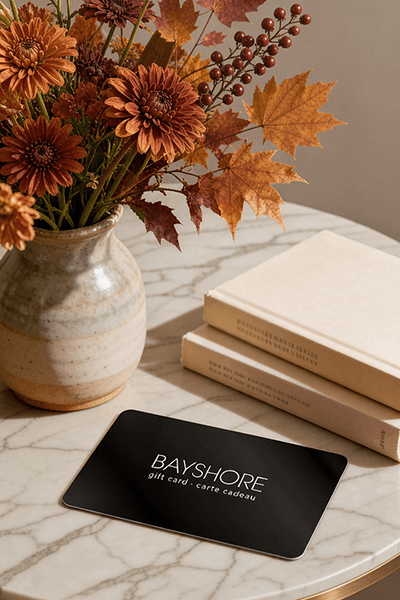
Too many options? Treat your friends and family to their favourite stores with a Bayshore Shopping Centre gift card, redeemable at participating retailers throughout the centre. Click below to purchase yours today!Purchase Here
Coles The East: How My Father and a Quarter Million Polish Jews Survived Holocaust at Bayshore Shopping Centre in Ottawa, ON
*Product information may vary - to confirm product availability, pricing, shipping and return information please contact Coles
Despite decades of outstanding writing about the Holocaust, the full story of roughly a quarter million Jews who survived Nazi extermination in the Soviet interior, Central Asia, and the Middle East is nearly unknown, even to their descendants. Investigating her late father’s mysterious identity as a “Tehran Child,” literary scholar Mikhal Dekel delved deep into archives —including Soviet files not previously available to Western scholars—on three continents. She pursued the path of these Holocaust refugees from remote Kolyma in Siberia to Tashkent in Uzbekistan and, with the help of an Iranian friend and colleague, to Tehran. It was there that her father, aunt, and nearly a thousand other Jewish refugee children survived the war.
Dekel’s part-memoir, part-history, part-literary-political reflection on fate, identity, and memory uncovers the lost story of Jewish refuge in Muslim lands, the complex global politics behind whether refugees live or die, and the collective identity-creation that determines the past we remember.
Despite decades of outstanding writing about the Holocaust, the full story of roughly a quarter million Jews who survived Nazi extermination in the Soviet interior, Central Asia, and the Middle East is nearly unknown, even to their descendants. Investigating her late father’s mysterious identity as a “Tehran Child,” literary scholar Mikhal Dekel delved deep into archives —including Soviet files not previously available to Western scholars—on three continents. She pursued the path of these Holocaust refugees from remote Kolyma in Siberia to Tashkent in Uzbekistan and, with the help of an Iranian friend and colleague, to Tehran. It was there that her father, aunt, and nearly a thousand other Jewish refugee children survived the war.
Dekel’s part-memoir, part-history, part-literary-political reflection on fate, identity, and memory uncovers the lost story of Jewish refuge in Muslim lands, the complex global politics behind whether refugees live or die, and the collective identity-creation that determines the past we remember.
Coles is renowned for its outstanding customer service and great selection of books. Along with the vast array of magazines, stationary, audio-books, children's literature, fiction, non-fiction and reference books, you can find accessories to make your reading experience more pleasurable. We can recommend the very best in reading today. We will help you search our titles for exactly what you need, and if we do not have it in stock, we will order it for you.