

Give the Gift of Choice!
Too many options? Treat your friends and family to their favourite stores with a Bayshore Shopping Centre gift card, redeemable at participating retailers throughout the centre. Click below to purchase yours today!Purchase HereHome
The Ecological Person: Disclosing Nature As Thou
Coles
Loading Inventory...
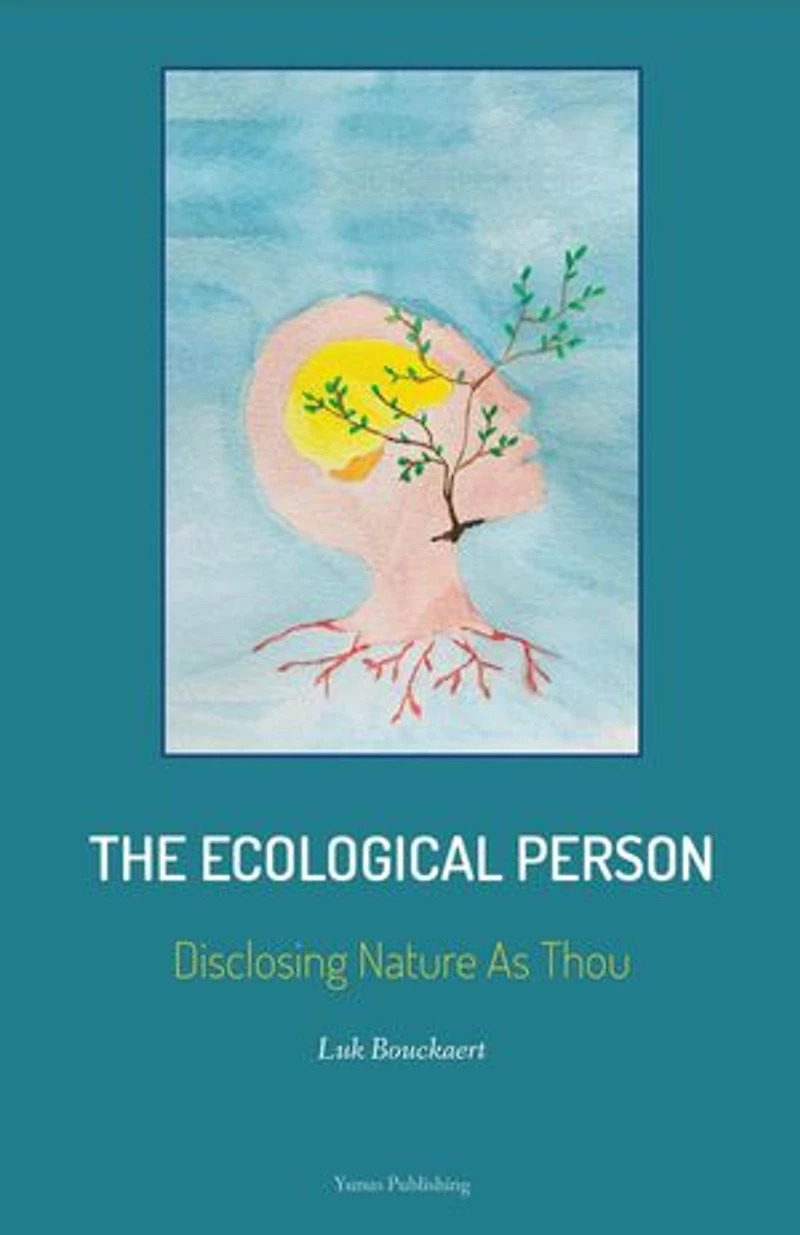
The Ecological Person: Disclosing Nature As Thou in Ottawa, ON
Current price: $6.99

The Ecological Person: Disclosing Nature As Thou in Ottawa, ON
Current price: $6.99
Loading Inventory...
Size: Kobo eBook
*Product information may vary - to confirm product availability, pricing, shipping and return information please contact Coles
In this essay, Luk Bouckaert attempts to re-evaluate the philosophical foundations of Personalism by posing two challenging questions. The first question concerns our self-perception as a person: is it possible for Personalists, who value the unique dignity of every person, to subordinate their freedom to nature as an eco-system? Or can they approach nature itself as a personal Presence? The second question is perhaps even more challenging. The word 'hope' is invoked in many contemporary speeches and writings, but can it withstand the scientific scenarios predicting climate catastrophe?
Bouckaert does not present us with a blueprint for political action, but he entices us to rethink our relationship with nature. To do so, we can draw much inspiration from Albert Schweitzer, Teilhard de Chardin, Mahatma Gandhi and Martin Buber, who Bouckaert discusses as 'pioneers of Ecopersonalism' since they formulated the ecological turn already a hundred years ago.
In this essay, Luk Bouckaert attempts to re-evaluate the philosophical foundations of Personalism by posing two challenging questions. The first question concerns our self-perception as a person: is it possible for Personalists, who value the unique dignity of every person, to subordinate their freedom to nature as an eco-system? Or can they approach nature itself as a personal Presence? The second question is perhaps even more challenging. The word 'hope' is invoked in many contemporary speeches and writings, but can it withstand the scientific scenarios predicting climate catastrophe?
Bouckaert does not present us with a blueprint for political action, but he entices us to rethink our relationship with nature. To do so, we can draw much inspiration from Albert Schweitzer, Teilhard de Chardin, Mahatma Gandhi and Martin Buber, who Bouckaert discusses as 'pioneers of Ecopersonalism' since they formulated the ecological turn already a hundred years ago.
You May Also Like













More About Coles at Bayshore Shopping Centre
Coles is renowned for its outstanding customer service and great selection of books. Along with the vast array of magazines, stationary, audio-books, children's literature, fiction, non-fiction and reference books, you can find accessories to make your reading experience more pleasurable. We can recommend the very best in reading today. We will help you search our titles for exactly what you need, and if we do not have it in stock, we will order it for you.
100 Bayshore Dr, Nepean, ON K2B 8C1, Canada
Find Coles at Bayshore Shopping Centre in Ottawa, ON
Visit Coles at Bayshore Shopping Centre in Ottawa, ON