

Give the Gift of Choice!
Too many options? Treat your friends and family to their favourite stores with a Bayshore Shopping Centre gift card, redeemable at participating retailers throughout the centre. Click below to purchase yours today!Purchase HereHome
The Economic Legacy of Eugen Varga
Coles
Loading Inventory...
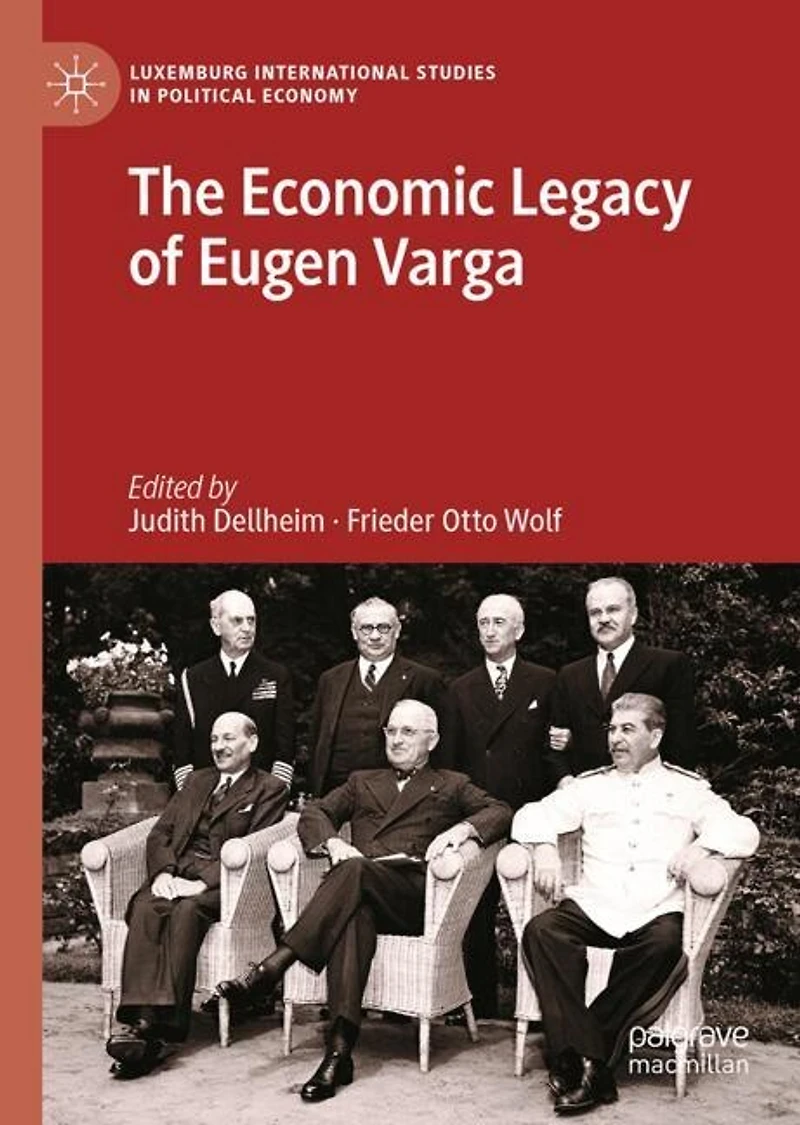
The Economic Legacy of Eugen Varga in Ottawa, ON
Current price: $364.95

The Economic Legacy of Eugen Varga in Ottawa, ON
Current price: $364.95
Loading Inventory...
Size: Hardcover
*Product information may vary - to confirm product availability, pricing, shipping and return information please contact Coles
This book explores the legacy of economist Eugen Varga and the continued importance of his life and work. It examines the influence of Marx and Luxemburg on Varga&s ideas, particularly his analysis of the capitalist mode of production and his theoretical work on the development of an alternative mode of production. How Varga found limitations in not just his own strongly empirical epistemology, but also in the anti-dialectic Stalinist system are discussed, alongside why these critiques remain relevant in relation to neoliberal theories, inequality, and ecological concerns. Varga&s specific notion of the modern state, his political economy analysis, and his position within the Marxist economic tradition are also covered. This book provides insight into the challenges faced when attempting to overcome the capitalist mode of production, as well as the historical limitations of scientific research and how ideas can be corrupted by personal, political, and societal forces. It will be relevant to students and researchers interested in Marxist economics, the political economy, and the history of economic thought.
This book explores the legacy of economist Eugen Varga and the continued importance of his life and work. It examines the influence of Marx and Luxemburg on Varga&s ideas, particularly his analysis of the capitalist mode of production and his theoretical work on the development of an alternative mode of production. How Varga found limitations in not just his own strongly empirical epistemology, but also in the anti-dialectic Stalinist system are discussed, alongside why these critiques remain relevant in relation to neoliberal theories, inequality, and ecological concerns. Varga&s specific notion of the modern state, his political economy analysis, and his position within the Marxist economic tradition are also covered. This book provides insight into the challenges faced when attempting to overcome the capitalist mode of production, as well as the historical limitations of scientific research and how ideas can be corrupted by personal, political, and societal forces. It will be relevant to students and researchers interested in Marxist economics, the political economy, and the history of economic thought.
You May Also Like











More About Coles at Bayshore Shopping Centre
Coles is renowned for its outstanding customer service and great selection of books. Along with the vast array of magazines, stationary, audio-books, children's literature, fiction, non-fiction and reference books, you can find accessories to make your reading experience more pleasurable. We can recommend the very best in reading today. We will help you search our titles for exactly what you need, and if we do not have it in stock, we will order it for you.
100 Bayshore Dr, Nepean, ON K2B 8C1, Canada
Find Coles at Bayshore Shopping Centre in Ottawa, ON
Visit Coles at Bayshore Shopping Centre in Ottawa, ON