

Give the Gift of Choice!
Too many options? Treat your friends and family to their favourite stores with a Bayshore Shopping Centre gift card, redeemable at participating retailers throughout the centre. Click below to purchase yours today!Purchase HereHome
The Egyptian Hallel Psalms: An Exposition of Psalms 113-118
Coles
Loading Inventory...
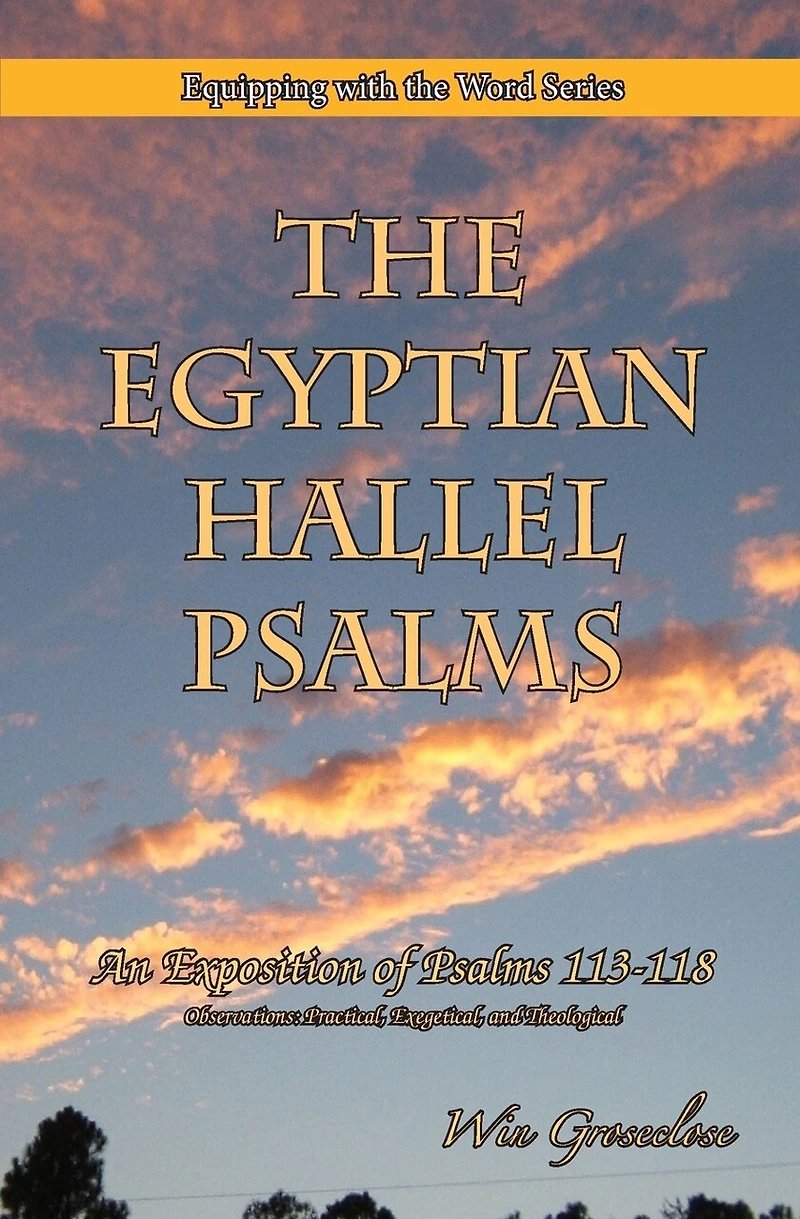
The Egyptian Hallel Psalms: An Exposition of Psalms 113-118 in Ottawa, ON
Current price: $12.95

The Egyptian Hallel Psalms: An Exposition of Psalms 113-118 in Ottawa, ON
Current price: $12.95
Loading Inventory...
Size: Paperback
*Product information may vary - to confirm product availability, pricing, shipping and return information please contact Coles
Psalms 113-118 are known as "Egyptian Hallel" psalms (Hallel simply means "Praise Yahweh!"), thus they were written as praises that were sung in connection with the Passover meal and other Hebrew festivals and reflect upon God's redemption of his people, particularly from their bondage in Egypt. In the context of the Passover celebration, Psalms 113 and 114 typically would have been sung before the Passover meal and Psalms 115-118 would have been sung afterward. It is most likely these were the psalms that Jesus and his disciples sung after the Last Supper, a Passover meal, before their retirement to the Garden of Gethsemane and Jesus' subsequent arrest (Matthew 26:30). These psalms are designed not only to aid the Hebrews in their worship, but they were also designed with an evangelistic flavor to them. Imagine the impact that these psalms must have had on visitors to Jerusalem during these festival times. You would have streams of people entering into the city singing praises to God for his wondrous works and inviting others to sing along with them. It was meant to be an exciting time-a time that might bring even outsiders to investigate the wonders of this mighty God and the promise of his marvelous Messiah.
Psalms 113-118 are known as "Egyptian Hallel" psalms (Hallel simply means "Praise Yahweh!"), thus they were written as praises that were sung in connection with the Passover meal and other Hebrew festivals and reflect upon God's redemption of his people, particularly from their bondage in Egypt. In the context of the Passover celebration, Psalms 113 and 114 typically would have been sung before the Passover meal and Psalms 115-118 would have been sung afterward. It is most likely these were the psalms that Jesus and his disciples sung after the Last Supper, a Passover meal, before their retirement to the Garden of Gethsemane and Jesus' subsequent arrest (Matthew 26:30). These psalms are designed not only to aid the Hebrews in their worship, but they were also designed with an evangelistic flavor to them. Imagine the impact that these psalms must have had on visitors to Jerusalem during these festival times. You would have streams of people entering into the city singing praises to God for his wondrous works and inviting others to sing along with them. It was meant to be an exciting time-a time that might bring even outsiders to investigate the wonders of this mighty God and the promise of his marvelous Messiah.
You May Also Like







More About Coles at Bayshore Shopping Centre
Coles is renowned for its outstanding customer service and great selection of books. Along with the vast array of magazines, stationary, audio-books, children's literature, fiction, non-fiction and reference books, you can find accessories to make your reading experience more pleasurable. We can recommend the very best in reading today. We will help you search our titles for exactly what you need, and if we do not have it in stock, we will order it for you.
100 Bayshore Dr, Nepean, ON K2B 8C1, Canada
Find Coles at Bayshore Shopping Centre in Ottawa, ON
Visit Coles at Bayshore Shopping Centre in Ottawa, ON