

Give the Gift of Choice!
Too many options? Treat your friends and family to their favourite stores with a Bayshore Shopping Centre gift card, redeemable at participating retailers throughout the centre. Click below to purchase yours today!Purchase HereHome
the Enlightenments Most Dangerous Woman: Émilie du Châtelet and Making of Modern Philosophy
Coles
Loading Inventory...
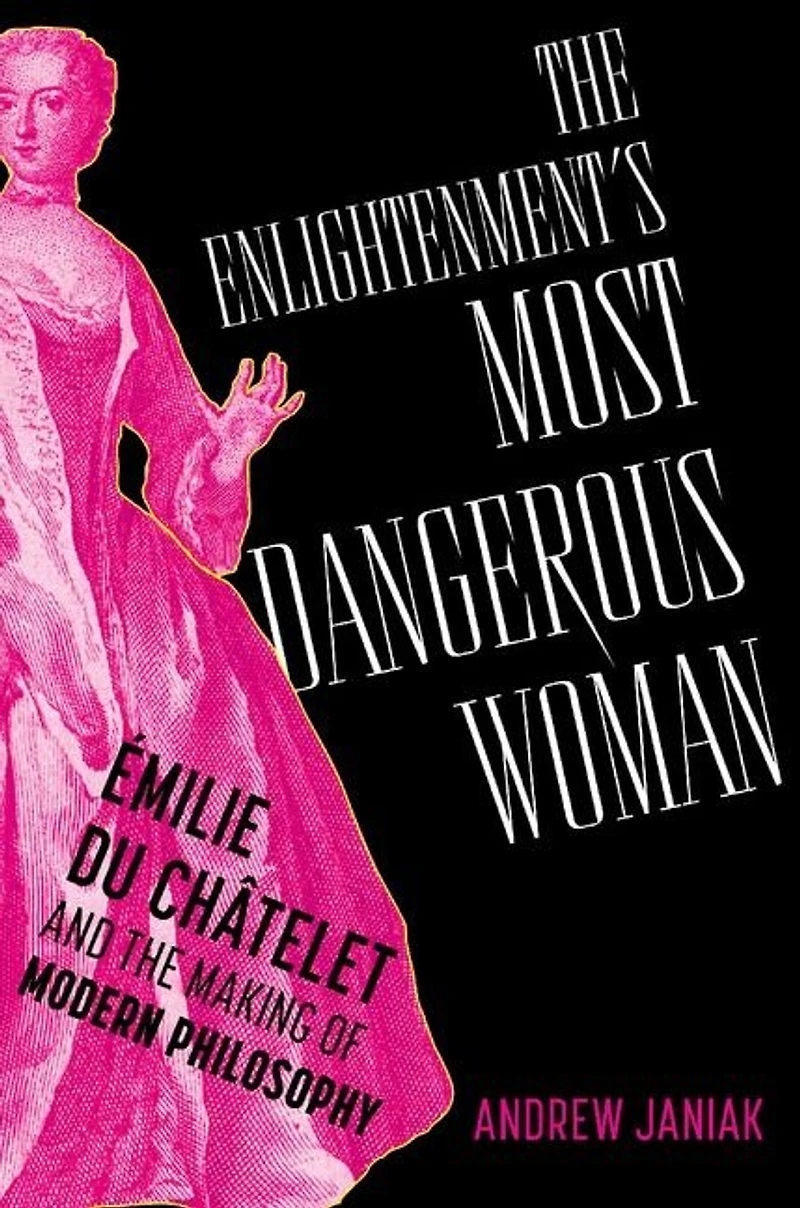
the Enlightenments Most Dangerous Woman: Émilie du Châtelet and Making of Modern Philosophy in Ottawa, ON
Current price: $34.99

the Enlightenments Most Dangerous Woman: Émilie du Châtelet and Making of Modern Philosophy in Ottawa, ON
Current price: $34.99
Loading Inventory...
Size: Hardcover
*Product information may vary - to confirm product availability, pricing, shipping and return information please contact Coles
Suppressed for centuries, the ideas of French philosopher Émilie Du Châtelet's are ever relevant today... Just as the Enlightenment was gaining momentum throughout Europe, philosopher Émilie Du Châtelet broke through the many barriers facing women at the time and published a major philosophical treatise in French. Within a few short years, she became famous: she was read and debated from Russia to Prussia, from Switzerland to England, from up north in Sweden to down south in Italy. This was not just remarkable because she was a woman, but because of the substance of her contributions. While the men in her milieu like Voltaire and Kant sought disciples to promote their ideas, Du Châtelet promoted intellectual autonomy. She counselled her readers to read the classics, but never to become a follower of another's ideas. Her proclamation that a true philosopher must remain an independent thinker, rather than a disciple of some supposedly "great man" like Isaac Newton or René Descartes, posed a threat to an emerging consensus in the Enlightenment. And that made her dangerous. After all, if young women took Du Châtelet's advice to heart, if they insisted on thinking for themselves, they might demand a proper education--the exclusion of women from the colleges and academies of Europe might finally end. And if young women thought for themselves, rather than listening to the ideas of the men around them, that might rupture the gender-based social order itself. Because of the threat that she posed, the men who created the modern philosophy canon eventually wrote Du Châtelet out of their official histories. After she achieved immense fame in the middle of the eighteenth century, her ideas were later suppressed, or attributed to the men around her. For generations afterwards, she was forgotten. Now we can hear her voice anew when we need her more than ever. Her lessons of intellectual independence and her rejection of hero worship remain ever relevant today.
Suppressed for centuries, the ideas of French philosopher Émilie Du Châtelet's are ever relevant today... Just as the Enlightenment was gaining momentum throughout Europe, philosopher Émilie Du Châtelet broke through the many barriers facing women at the time and published a major philosophical treatise in French. Within a few short years, she became famous: she was read and debated from Russia to Prussia, from Switzerland to England, from up north in Sweden to down south in Italy. This was not just remarkable because she was a woman, but because of the substance of her contributions. While the men in her milieu like Voltaire and Kant sought disciples to promote their ideas, Du Châtelet promoted intellectual autonomy. She counselled her readers to read the classics, but never to become a follower of another's ideas. Her proclamation that a true philosopher must remain an independent thinker, rather than a disciple of some supposedly "great man" like Isaac Newton or René Descartes, posed a threat to an emerging consensus in the Enlightenment. And that made her dangerous. After all, if young women took Du Châtelet's advice to heart, if they insisted on thinking for themselves, they might demand a proper education--the exclusion of women from the colleges and academies of Europe might finally end. And if young women thought for themselves, rather than listening to the ideas of the men around them, that might rupture the gender-based social order itself. Because of the threat that she posed, the men who created the modern philosophy canon eventually wrote Du Châtelet out of their official histories. After she achieved immense fame in the middle of the eighteenth century, her ideas were later suppressed, or attributed to the men around her. For generations afterwards, she was forgotten. Now we can hear her voice anew when we need her more than ever. Her lessons of intellectual independence and her rejection of hero worship remain ever relevant today.
You May Also Like














More About Coles at Bayshore Shopping Centre
Coles is renowned for its outstanding customer service and great selection of books. Along with the vast array of magazines, stationary, audio-books, children's literature, fiction, non-fiction and reference books, you can find accessories to make your reading experience more pleasurable. We can recommend the very best in reading today. We will help you search our titles for exactly what you need, and if we do not have it in stock, we will order it for you.
100 Bayshore Dr, Nepean, ON K2B 8C1, Canada
Find Coles at Bayshore Shopping Centre in Ottawa, ON
Visit Coles at Bayshore Shopping Centre in Ottawa, ON