

Give the Gift of Choice!
Too many options? Treat your friends and family to their favourite stores with a Bayshore Shopping Centre gift card, redeemable at participating retailers throughout the centre. Click below to purchase yours today!Purchase HereHome
The Ethics of Social Punishment: Enforcement Morality Everyday Life
Coles
Loading Inventory...
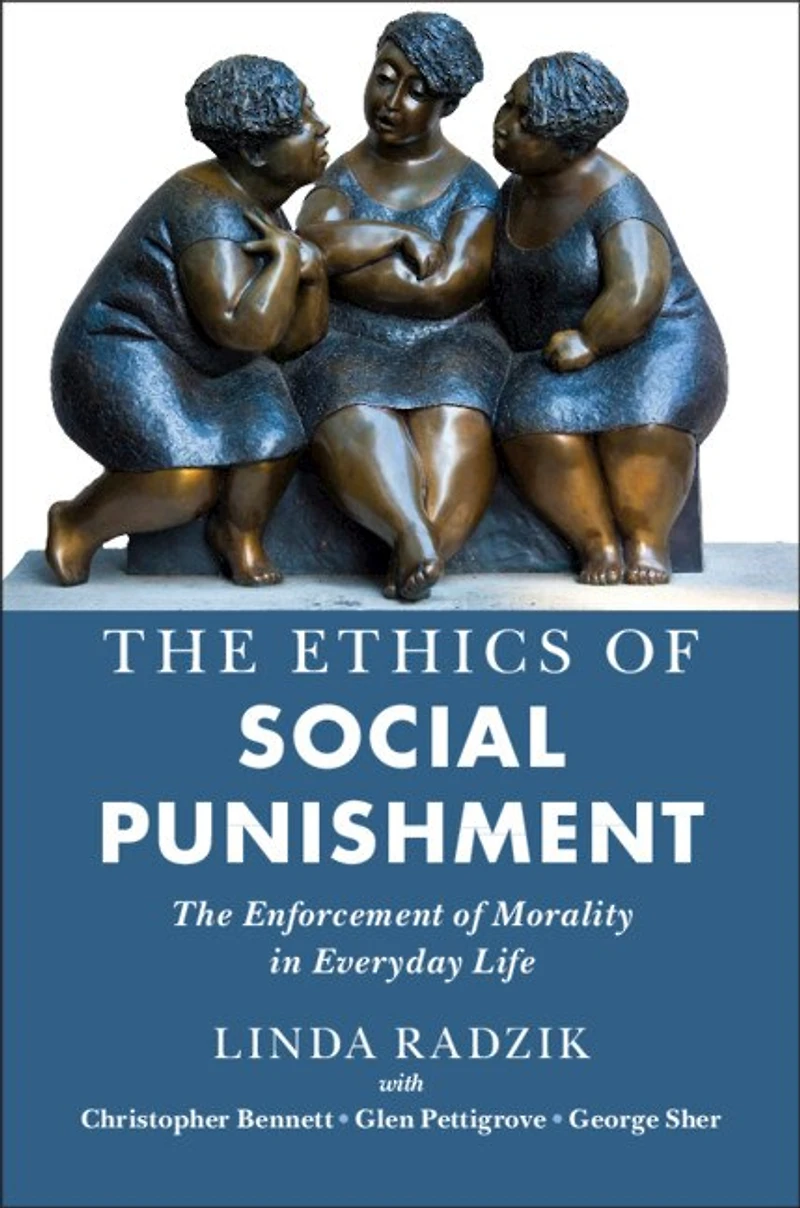
The Ethics of Social Punishment: Enforcement Morality Everyday Life in Ottawa, ON
Current price: $127.95

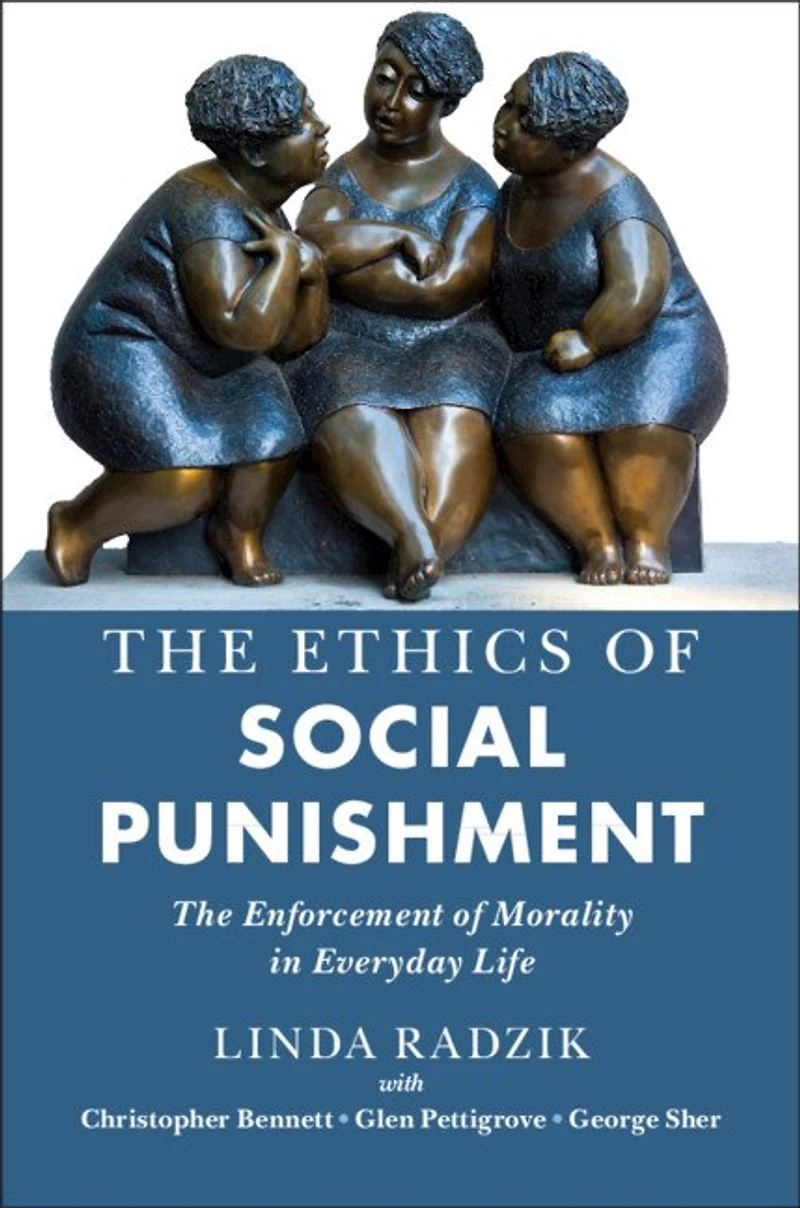
The Ethics of Social Punishment: Enforcement Morality Everyday Life in Ottawa, ON
Current price: $127.95
Loading Inventory...
Size: Hardcover
*Product information may vary - to confirm product availability, pricing, shipping and return information please contact Coles
How do we punish others socially, and should we do so? In her 2018 Descartes Lectures for Tilburg University, Linda Radzik explores the informal methods ordinary people use to enforce moral norms, such as telling people off, boycotting businesses, and publicly shaming wrongdoers on social media. Over three lectures, Radzik develops an account of what social punishment is, why it is sometimes permissible, and when it must be withheld. She argues that the proper aim of social punishment is to put moral pressure on wrongdoers to make amends. Yet the permissibility of applying such pressure turns on the tension between individual desert and social good, as well as the possession of an authority to punish. Responses from Christopher Bennett, George Sher and Glen Pettigrove challenge Radzik's account of social punishment while also offering alternative perspectives on the possible meanings of our responses to wrongdoing. Radzik replies in the closing essay.
How do we punish others socially, and should we do so? In her 2018 Descartes Lectures for Tilburg University, Linda Radzik explores the informal methods ordinary people use to enforce moral norms, such as telling people off, boycotting businesses, and publicly shaming wrongdoers on social media. Over three lectures, Radzik develops an account of what social punishment is, why it is sometimes permissible, and when it must be withheld. She argues that the proper aim of social punishment is to put moral pressure on wrongdoers to make amends. Yet the permissibility of applying such pressure turns on the tension between individual desert and social good, as well as the possession of an authority to punish. Responses from Christopher Bennett, George Sher and Glen Pettigrove challenge Radzik's account of social punishment while also offering alternative perspectives on the possible meanings of our responses to wrongdoing. Radzik replies in the closing essay.

















More About Coles at Bayshore Shopping Centre
Coles is renowned for its outstanding customer service and great selection of books. Along with the vast array of magazines, stationary, audio-books, children's literature, fiction, non-fiction and reference books, you can find accessories to make your reading experience more pleasurable. We can recommend the very best in reading today. We will help you search our titles for exactly what you need, and if we do not have it in stock, we will order it for you.
100 Bayshore Dr, Nepean, ON K2B 8C1, Canada
Find Coles at Bayshore Shopping Centre in Ottawa, ON
Visit Coles at Bayshore Shopping Centre in Ottawa, ON