

Give the Gift of Choice!
Too many options? Treat your friends and family to their favourite stores with a Bayshore Shopping Centre gift card, redeemable at participating retailers throughout the centre. Click below to purchase yours today!Purchase HereHome
The Exorcist Effect: Horror, Religion, and Demonic Belief
Coles
Loading Inventory...
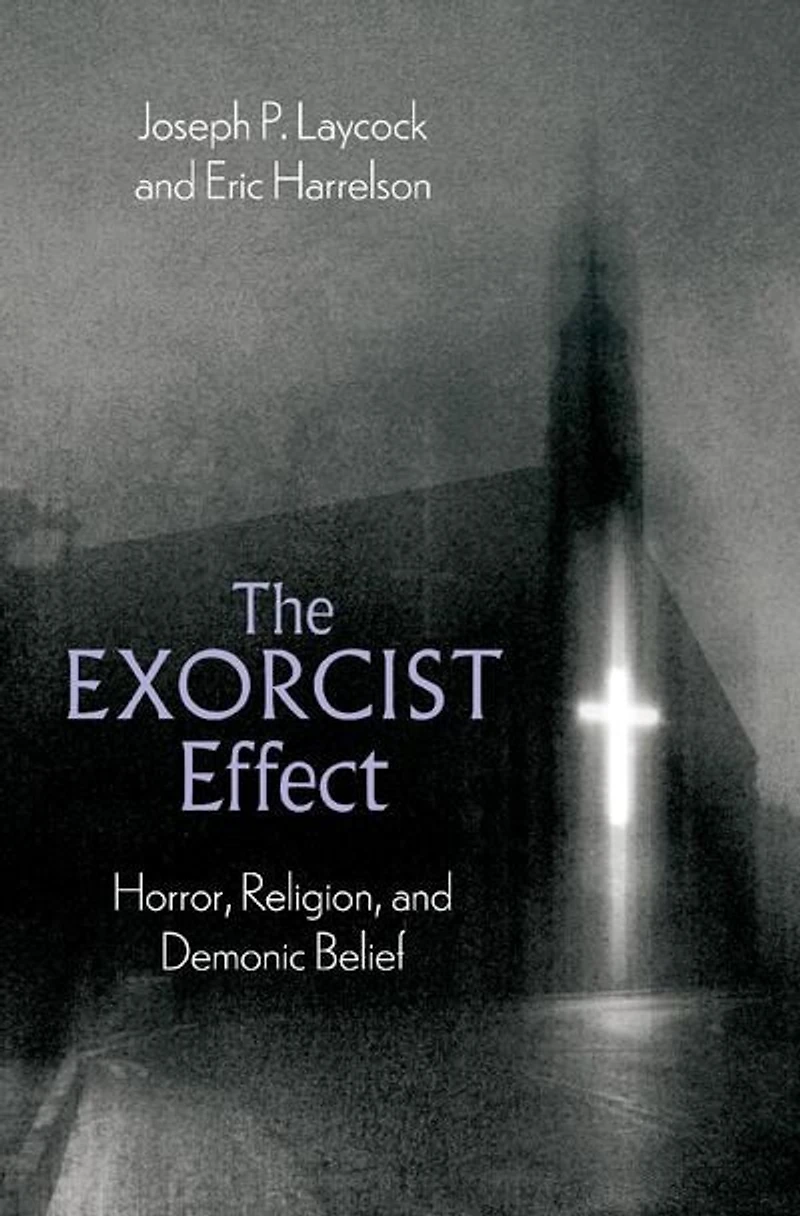
The Exorcist Effect: Horror, Religion, and Demonic Belief in Ottawa, ON
Current price: $42.37

The Exorcist Effect: Horror, Religion, and Demonic Belief in Ottawa, ON
Current price: $42.37
Loading Inventory...
Size: Hardcover
*Product information may vary - to confirm product availability, pricing, shipping and return information please contact Coles
The Exorcist Effect is a fascinating historical study of the ongoing relationship between horror movies and Western religious culture, with a focus on the period from 1968 to the modern day. Taking its name from the 1973 film The Exorcist , which was widely understood to be based on a true story, this book outlines a cycle in which religious beliefs and practices become the basis of films that in turn inspire religious beliefs, practices, and experiences in response. Authors Joseph P. Laycock and Eric Harrelson draw heavily from archival research to shed new light on the details of this phenomenon, in addition to incorporating interviews with horror authors, film writers, and paranormal investigators. Drawing on psychology, sociology, and folklore studies, Laycock and Harrelson theorize how film informs religious experience and shapes religious culture. The Exorcist Effect examines the production and reception of *Rosemary's Baby (*1968), The Exorcist (1973), and The Omen (1976) as seminal films in the genre; figures as Malachi Martin as well as Ed and Lorraine Warren, who inserted themselves directly into the spotlight, and the horror films that influenced and were inspired by their careers; and areas of culture where the influence of this cycle was most apparent-the Satanic Panic, religious exorcisms, and moral panic over heavy metal and the messages it was purported to spread. The final chapter considers the QAnon conspiracy theory and its numerous allusions to film as a contemporary manifestation of “The Exorcist effect.” Ultimately, The Exorcist Effect is a deftly researched and compelling volume that is sure to interest horror buffs, religious scholars, and historians alike.
The Exorcist Effect is a fascinating historical study of the ongoing relationship between horror movies and Western religious culture, with a focus on the period from 1968 to the modern day. Taking its name from the 1973 film The Exorcist , which was widely understood to be based on a true story, this book outlines a cycle in which religious beliefs and practices become the basis of films that in turn inspire religious beliefs, practices, and experiences in response. Authors Joseph P. Laycock and Eric Harrelson draw heavily from archival research to shed new light on the details of this phenomenon, in addition to incorporating interviews with horror authors, film writers, and paranormal investigators. Drawing on psychology, sociology, and folklore studies, Laycock and Harrelson theorize how film informs religious experience and shapes religious culture. The Exorcist Effect examines the production and reception of *Rosemary's Baby (*1968), The Exorcist (1973), and The Omen (1976) as seminal films in the genre; figures as Malachi Martin as well as Ed and Lorraine Warren, who inserted themselves directly into the spotlight, and the horror films that influenced and were inspired by their careers; and areas of culture where the influence of this cycle was most apparent-the Satanic Panic, religious exorcisms, and moral panic over heavy metal and the messages it was purported to spread. The final chapter considers the QAnon conspiracy theory and its numerous allusions to film as a contemporary manifestation of “The Exorcist effect.” Ultimately, The Exorcist Effect is a deftly researched and compelling volume that is sure to interest horror buffs, religious scholars, and historians alike.
You May Also Like








More About Coles at Bayshore Shopping Centre
Coles is renowned for its outstanding customer service and great selection of books. Along with the vast array of magazines, stationary, audio-books, children's literature, fiction, non-fiction and reference books, you can find accessories to make your reading experience more pleasurable. We can recommend the very best in reading today. We will help you search our titles for exactly what you need, and if we do not have it in stock, we will order it for you.
100 Bayshore Dr, Nepean, ON K2B 8C1, Canada
Find Coles at Bayshore Shopping Centre in Ottawa, ON
Visit Coles at Bayshore Shopping Centre in Ottawa, ON