

Give the Gift of Choice!
Too many options? Treat your friends and family to their favourite stores with a Bayshore Shopping Centre gift card, redeemable at participating retailers throughout the centre. Click below to purchase yours today!Purchase HereHome
The Fairy Way of Writing: Shakespeare to Tolkien
Coles
Loading Inventory...
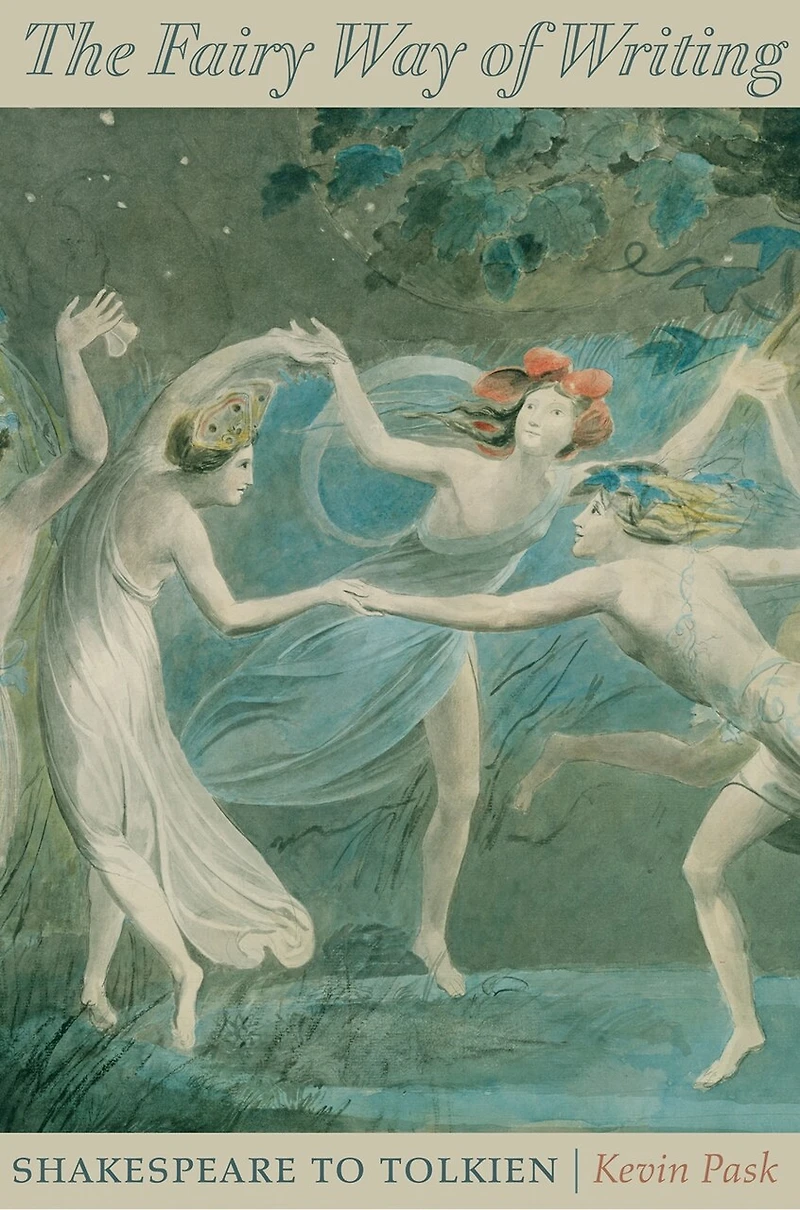
The Fairy Way of Writing: Shakespeare to Tolkien in Ottawa, ON
Current price: $59.95

The Fairy Way of Writing: Shakespeare to Tolkien in Ottawa, ON
Current price: $59.95
Loading Inventory...
Size: Hardcover
*Product information may vary - to confirm product availability, pricing, shipping and return information please contact Coles
A history of popular superstitions, tales, and magic in British literature. In The Fairy Way of Writing, Kevin Pask seeks to explain the origins and popularity of enchantment in Shakespeare’s plays. Writers John Dryden and Joseph Addison originated the phrase "fairy way of writing" to define the concept of an English creative imagination founded on a synthesis of high literary culture and the popular culture of tales and superstitions. Beginning with Chaucer, Johnson, Dryden, and Milton, Pask argues that the fairy way of writing not only sets the stage for the fairy tale, the Gothic novel, and children’s literature but also informs genres beyond the English canon, including painting, twentieth-century fantasy fiction, and French fairy tales. In addition to English writers and visual artists such as Pope, Blake, and Keats, who were directly engaged with Shakespearean fantasy, Pask also examines fairy tales, letters, and paintings by the French writers Madame d'Aulnoy, Charles Perrault, Madame de Svign, and the Swiss-born artist Johann Heinrich Fssli (Fuseli). The Fairy Way of Writing alters the traditional sense of English literary history and of Shakespeare’s singular place in it, insisting on the importance of often-overlooked literary and visual works. It recovers a distinctive aspect of English literary culture from across the entire early modern era and beyond, one that has been studied in the context of individual periods and writers but is only now explored in relation to the history of European nationalism and the creation of the modern literary system.
A history of popular superstitions, tales, and magic in British literature. In The Fairy Way of Writing, Kevin Pask seeks to explain the origins and popularity of enchantment in Shakespeare’s plays. Writers John Dryden and Joseph Addison originated the phrase "fairy way of writing" to define the concept of an English creative imagination founded on a synthesis of high literary culture and the popular culture of tales and superstitions. Beginning with Chaucer, Johnson, Dryden, and Milton, Pask argues that the fairy way of writing not only sets the stage for the fairy tale, the Gothic novel, and children’s literature but also informs genres beyond the English canon, including painting, twentieth-century fantasy fiction, and French fairy tales. In addition to English writers and visual artists such as Pope, Blake, and Keats, who were directly engaged with Shakespearean fantasy, Pask also examines fairy tales, letters, and paintings by the French writers Madame d'Aulnoy, Charles Perrault, Madame de Svign, and the Swiss-born artist Johann Heinrich Fssli (Fuseli). The Fairy Way of Writing alters the traditional sense of English literary history and of Shakespeare’s singular place in it, insisting on the importance of often-overlooked literary and visual works. It recovers a distinctive aspect of English literary culture from across the entire early modern era and beyond, one that has been studied in the context of individual periods and writers but is only now explored in relation to the history of European nationalism and the creation of the modern literary system.
You May Also Like








More About Coles at Bayshore Shopping Centre
Coles is renowned for its outstanding customer service and great selection of books. Along with the vast array of magazines, stationary, audio-books, children's literature, fiction, non-fiction and reference books, you can find accessories to make your reading experience more pleasurable. We can recommend the very best in reading today. We will help you search our titles for exactly what you need, and if we do not have it in stock, we will order it for you.
100 Bayshore Dr, Nepean, ON K2B 8C1, Canada
Find Coles at Bayshore Shopping Centre in Ottawa, ON
Visit Coles at Bayshore Shopping Centre in Ottawa, ON