

Give the Gift of Choice!
Too many options? Treat your friends and family to their favourite stores with a Bayshore Shopping Centre gift card, redeemable at participating retailers throughout the centre. Click below to purchase yours today!Purchase HereHome
The Family Law Guide To Appellate Practice
Coles
Loading Inventory...
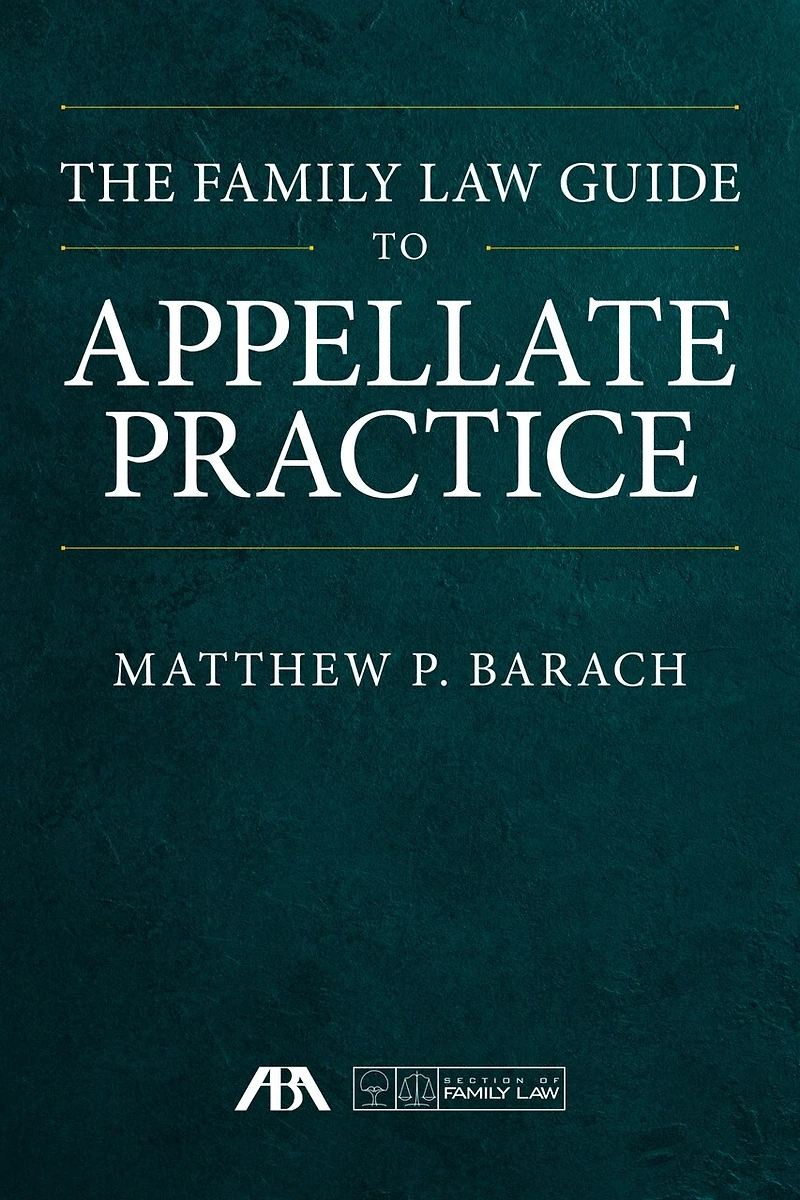
The Family Law Guide To Appellate Practice in Ottawa, ON
Current price: $181.99

The Family Law Guide To Appellate Practice in Ottawa, ON
Current price: $181.99
Loading Inventory...
Size: Paperback
*Product information may vary - to confirm product availability, pricing, shipping and return information please contact Coles
Serving as a practical guide on whether to appeal a family court decision, and then how to proceed with the appeal, this is a valuable resource for both the newer and more seasoned family lawyer, and it fills a void in the literature by focusing on the unique issues involved in appealing a family law case.
With step-by-step guidance for the family law attorney, or a pro se litigant, who receives an adverse decision and wants to appeal the matter but requires some proper guidance, the book begins by focusing on the crucial decision to appeal and the critical factors involved, including ethical considerations. It also examines the effective use of post-trial remedies, such as utilizing stays of judgments pending appeals, and creating, protecting, and reviewing the record of the trial court.
Moving forward with an appeal, author Matthew Barach provides clearly presented practical information on handling the process, including:
The appellate standards of review
Appealing interlocutory issues
Drafting and filing the notice of appeal and assembly of the record
Learning the importance of the Record Appendix
Preparing a brief, including using authorities, drafting techniques and considerations, correct formatting, and effective use of style
Writing a persuasive brief, including the perspective of an appellant versus an appellee
The reply brief
Finally, the book focuses on the expectations and importance of an oral argument in an appellate case, including preparing, presenting, and handling panel questions of the various types of jurists and end with the aftermath of an appellate decision.
As demonstrated throughout this book, the family lawyer must consider the potential result and costs both on individual lives and on the precedent a matter could set upon future litigants, including your own. As an old sage once advised, "There is an equal chance of creating bad law as good law when you appeal."
Table of Contents
Preface
A Note About Sources
Introduction
Chapter 1: The Decision to Appeal
Chapter 2: Ethical Considerations
Chapter 3: Interlocutory Relief: What, How, and When to Challenge Orders Prior to Final Judgment
Chapter 4: Creating, Protecting, and Reviewing the Record
Chapter 5: Understanding Standards of Appellate Review
Chapter 6: Effective Use of Post-Trial Remedies
Chapter 7: The Notice of Appeal: Form, Contents, and Time
Chapter 8: How to Assemble the Record, Correct Errors, Protect Confidential Information, and Docket the Appeal
Chapter 9: The Importance of the Record Appendix
Chapter 10: Preparing to Write the Brief: Outline, Theme, Style, Using Authorities, Effective Techniques, and Drafting Considerations
Chapter 11: How to Correctly Format, File Timely, and Avoid Rejection of Your Brief
Chapter 12: The Universal Elements of a Brief and Writing with Persuasive Style
Chapter 13: Some "Brief" Considerations When You Represent the Appellee
Chapter 14: The Purpose of the Reply Brief: How? When? Why? And Ten Commandments
Chapter 15: Oral Argument: What to Expect
Chapter 16: The Importance, Advantages, and Objectives of Oral Argument
Chapter 17: Preparing for Oral Argument
Chapter 18: Presenting at Oral Argument
Chapter 19: How to Handle Questions, Common Occurrences, and Appellate Panels at Oral Argument
Chapter 20: Aftermath: The Appellate Decision
Table of Location for Appellate Court Information by State
Practice Pointers
Fundamental Rules for Confidential Information
Commandments for Reply Briefs
Objectives of Oral Argument
The Appellate Checklist for Your Family Law Appeal
Serving as a practical guide on whether to appeal a family court decision, and then how to proceed with the appeal, this is a valuable resource for both the newer and more seasoned family lawyer, and it fills a void in the literature by focusing on the unique issues involved in appealing a family law case.
With step-by-step guidance for the family law attorney, or a pro se litigant, who receives an adverse decision and wants to appeal the matter but requires some proper guidance, the book begins by focusing on the crucial decision to appeal and the critical factors involved, including ethical considerations. It also examines the effective use of post-trial remedies, such as utilizing stays of judgments pending appeals, and creating, protecting, and reviewing the record of the trial court.
Moving forward with an appeal, author Matthew Barach provides clearly presented practical information on handling the process, including:
The appellate standards of review
Appealing interlocutory issues
Drafting and filing the notice of appeal and assembly of the record
Learning the importance of the Record Appendix
Preparing a brief, including using authorities, drafting techniques and considerations, correct formatting, and effective use of style
Writing a persuasive brief, including the perspective of an appellant versus an appellee
The reply brief
Finally, the book focuses on the expectations and importance of an oral argument in an appellate case, including preparing, presenting, and handling panel questions of the various types of jurists and end with the aftermath of an appellate decision.
As demonstrated throughout this book, the family lawyer must consider the potential result and costs both on individual lives and on the precedent a matter could set upon future litigants, including your own. As an old sage once advised, "There is an equal chance of creating bad law as good law when you appeal."
Table of Contents
Preface
A Note About Sources
Introduction
Chapter 1: The Decision to Appeal
Chapter 2: Ethical Considerations
Chapter 3: Interlocutory Relief: What, How, and When to Challenge Orders Prior to Final Judgment
Chapter 4: Creating, Protecting, and Reviewing the Record
Chapter 5: Understanding Standards of Appellate Review
Chapter 6: Effective Use of Post-Trial Remedies
Chapter 7: The Notice of Appeal: Form, Contents, and Time
Chapter 8: How to Assemble the Record, Correct Errors, Protect Confidential Information, and Docket the Appeal
Chapter 9: The Importance of the Record Appendix
Chapter 10: Preparing to Write the Brief: Outline, Theme, Style, Using Authorities, Effective Techniques, and Drafting Considerations
Chapter 11: How to Correctly Format, File Timely, and Avoid Rejection of Your Brief
Chapter 12: The Universal Elements of a Brief and Writing with Persuasive Style
Chapter 13: Some "Brief" Considerations When You Represent the Appellee
Chapter 14: The Purpose of the Reply Brief: How? When? Why? And Ten Commandments
Chapter 15: Oral Argument: What to Expect
Chapter 16: The Importance, Advantages, and Objectives of Oral Argument
Chapter 17: Preparing for Oral Argument
Chapter 18: Presenting at Oral Argument
Chapter 19: How to Handle Questions, Common Occurrences, and Appellate Panels at Oral Argument
Chapter 20: Aftermath: The Appellate Decision
Table of Location for Appellate Court Information by State
Practice Pointers
Fundamental Rules for Confidential Information
Commandments for Reply Briefs
Objectives of Oral Argument
The Appellate Checklist for Your Family Law Appeal
You May Also Like









More About Coles at Bayshore Shopping Centre
Coles is renowned for its outstanding customer service and great selection of books. Along with the vast array of magazines, stationary, audio-books, children's literature, fiction, non-fiction and reference books, you can find accessories to make your reading experience more pleasurable. We can recommend the very best in reading today. We will help you search our titles for exactly what you need, and if we do not have it in stock, we will order it for you.
100 Bayshore Dr, Nepean, ON K2B 8C1, Canada
Find Coles at Bayshore Shopping Centre in Ottawa, ON
Visit Coles at Bayshore Shopping Centre in Ottawa, ON