

Give the Gift of Choice!
Too many options? Treat your friends and family to their favourite stores with a Bayshore Shopping Centre gift card, redeemable at participating retailers throughout the centre. Click below to purchase yours today!Purchase HereHome
The Female Character in Kawabata Yasunari
Coles
Loading Inventory...
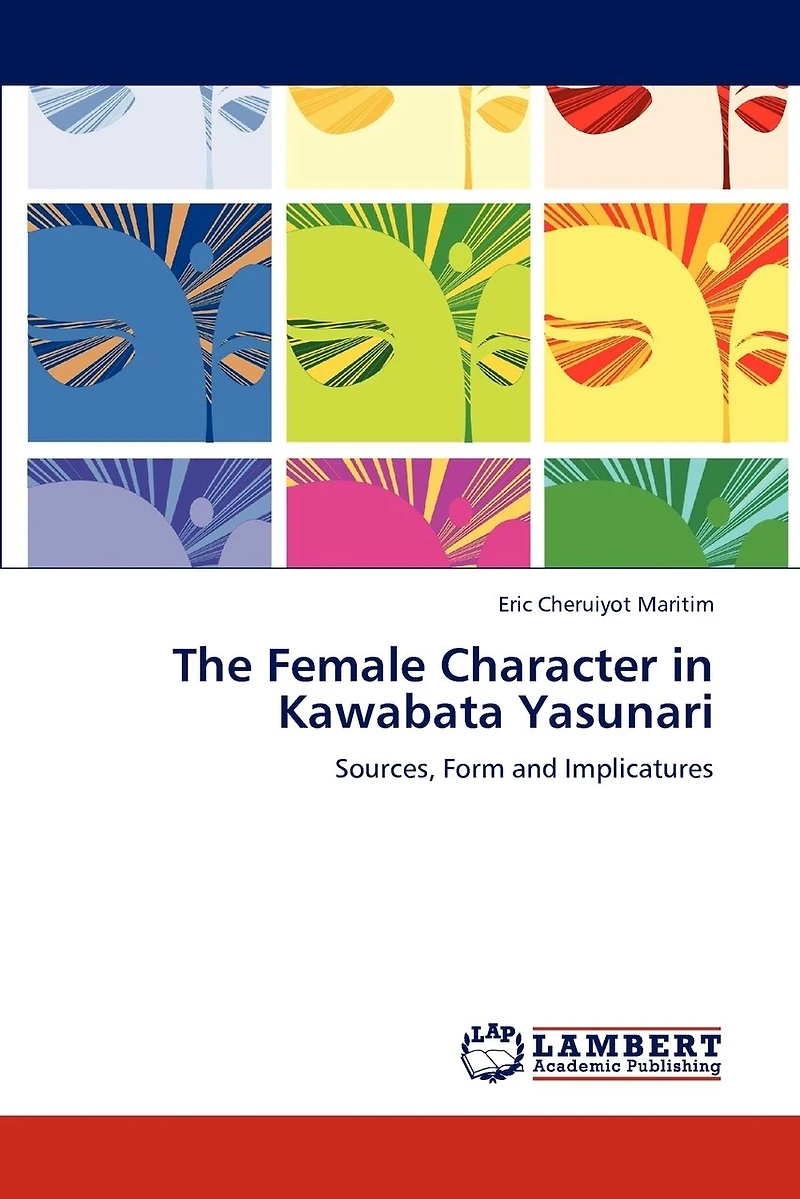
The Female Character in Kawabata Yasunari in Ottawa, ON
Current price: $82.95

The Female Character in Kawabata Yasunari in Ottawa, ON
Current price: $82.95
Loading Inventory...
Size: Paperback
*Product information may vary - to confirm product availability, pricing, shipping and return information please contact Coles
In 1968, Kawabata Yasunari became the second Asian literary figure to be awarded the Nobel Prize for Literature after the Indian, Rabindranath Tagore. He was among a crop of Japanese literary artists-cum-critics who quested for a distinctively 'modern' Japanese narrative (shosetsu) as opposed to narrative tradition of pre-Meiji Japan. The Nobel Committee noted the uniquely Japanese narrative tone and form in his work. Together with Yokomitsu Riichi, Kataoka Tepei, he envisioned a narrative in which characters' mental dispositions, 'feelings and sensory experience' were undifferentiated from the crude reality. For Kawabata this turned out as a re-vision of pre-modern Japanese literary idioms and techniques, mainly the haiku aesthetic which pervade his narrative presentation of female characters. This work sets out to examine Kawabata's two novels, Snow Country and The Old Capital and two short stories, 'The Izu Dancer' and 'One Arm, ' against the backdrop of the traditional Japanese literary media. Particular interest is laid on the influences of the backdrop on Kawabata's forms of the female characters and the implicit statement accruing from the presented forms of the characters
In 1968, Kawabata Yasunari became the second Asian literary figure to be awarded the Nobel Prize for Literature after the Indian, Rabindranath Tagore. He was among a crop of Japanese literary artists-cum-critics who quested for a distinctively 'modern' Japanese narrative (shosetsu) as opposed to narrative tradition of pre-Meiji Japan. The Nobel Committee noted the uniquely Japanese narrative tone and form in his work. Together with Yokomitsu Riichi, Kataoka Tepei, he envisioned a narrative in which characters' mental dispositions, 'feelings and sensory experience' were undifferentiated from the crude reality. For Kawabata this turned out as a re-vision of pre-modern Japanese literary idioms and techniques, mainly the haiku aesthetic which pervade his narrative presentation of female characters. This work sets out to examine Kawabata's two novels, Snow Country and The Old Capital and two short stories, 'The Izu Dancer' and 'One Arm, ' against the backdrop of the traditional Japanese literary media. Particular interest is laid on the influences of the backdrop on Kawabata's forms of the female characters and the implicit statement accruing from the presented forms of the characters
You May Also Like










More About Coles at Bayshore Shopping Centre
Coles is renowned for its outstanding customer service and great selection of books. Along with the vast array of magazines, stationary, audio-books, children's literature, fiction, non-fiction and reference books, you can find accessories to make your reading experience more pleasurable. We can recommend the very best in reading today. We will help you search our titles for exactly what you need, and if we do not have it in stock, we will order it for you.
100 Bayshore Dr, Nepean, ON K2B 8C1, Canada
Find Coles at Bayshore Shopping Centre in Ottawa, ON
Visit Coles at Bayshore Shopping Centre in Ottawa, ON