

Give the Gift of Choice!
Too many options? Treat your friends and family to their favourite stores with a Bayshore Shopping Centre gift card, redeemable at participating retailers throughout the centre. Click below to purchase yours today!Purchase HereHome
The feminine public sphere: Middle–class women and civic life in Scotland, c. 1870–1914
Coles
Loading Inventory...
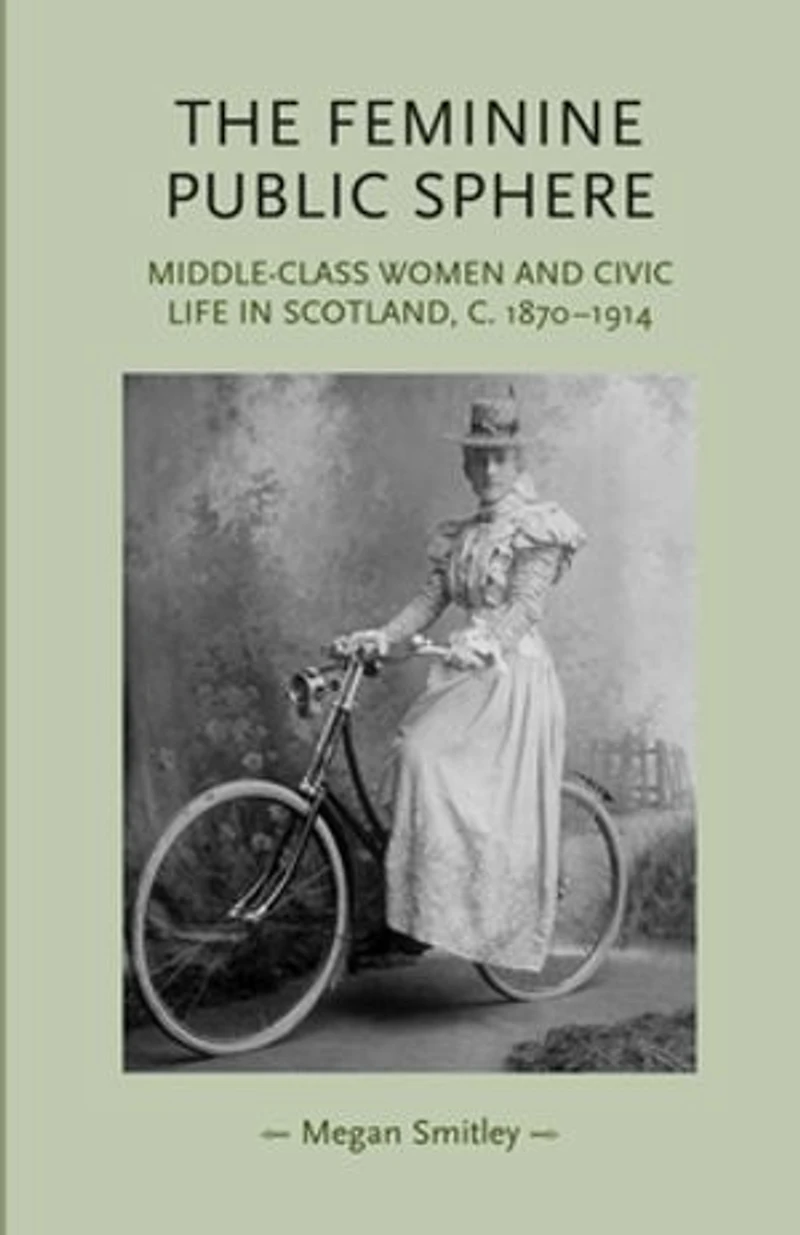
The feminine public sphere: Middle–class women and civic life in Scotland, c. 1870–1914 in Ottawa, ON
Current price: $141.19
Original price: $176.44

The feminine public sphere: Middle–class women and civic life in Scotland, c. 1870–1914 in Ottawa, ON
Current price: $141.19
Original price: $176.44
Loading Inventory...
Size: Kobo eBook
*Product information may vary - to confirm product availability, pricing, shipping and return information please contact Coles
At a time when women were barred from clerical roles, middle-class women made use of the informal power structures of Victorian and Edwardian associationalism in order to actively participate as citizens. This investigation of women's part in civic life provides a fresh approach to the 'public sphere', illuminates women as agents of a middle-class identity and develops the notion of a 'feminine public sphere', or the web of associations, institutions and discourses used by disenfranchised middle-class women to express their citizenship. The extent of middle-class women's contribution to civic life is examined through their involvement in reforming and philanthropic associations as well as local government. Making use of a range of previously untapped sources, this fascinating book will appeal in particular to those with an interest in Gender History and Scottish History.
At a time when women were barred from clerical roles, middle-class women made use of the informal power structures of Victorian and Edwardian associationalism in order to actively participate as citizens. This investigation of women's part in civic life provides a fresh approach to the 'public sphere', illuminates women as agents of a middle-class identity and develops the notion of a 'feminine public sphere', or the web of associations, institutions and discourses used by disenfranchised middle-class women to express their citizenship. The extent of middle-class women's contribution to civic life is examined through their involvement in reforming and philanthropic associations as well as local government. Making use of a range of previously untapped sources, this fascinating book will appeal in particular to those with an interest in Gender History and Scottish History.
You May Also Like










More About Coles at Bayshore Shopping Centre
Coles is renowned for its outstanding customer service and great selection of books. Along with the vast array of magazines, stationary, audio-books, children's literature, fiction, non-fiction and reference books, you can find accessories to make your reading experience more pleasurable. We can recommend the very best in reading today. We will help you search our titles for exactly what you need, and if we do not have it in stock, we will order it for you.
100 Bayshore Dr, Nepean, ON K2B 8C1, Canada
Find Coles at Bayshore Shopping Centre in Ottawa, ON
Visit Coles at Bayshore Shopping Centre in Ottawa, ON