

Give the Gift of Choice!
Too many options? Treat your friends and family to their favourite stores with a Bayshore Shopping Centre gift card, redeemable at participating retailers throughout the centre. Click below to purchase yours today!Purchase HereHome
The Forgotten Front: Patron-client Relationships Counterinsurgency
Coles
Loading Inventory...
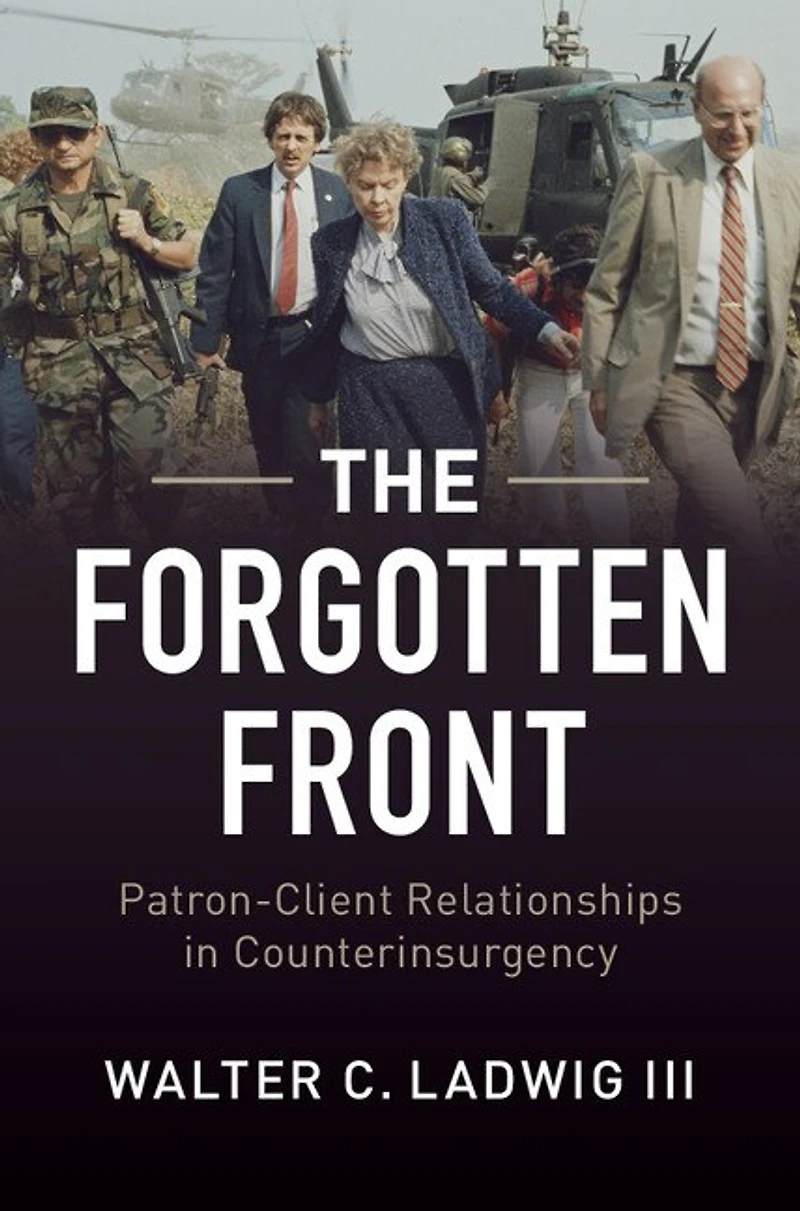
The Forgotten Front: Patron-client Relationships Counterinsurgency in Ottawa, ON
Current price: $157.95

The Forgotten Front: Patron-client Relationships Counterinsurgency in Ottawa, ON
Current price: $157.95
Loading Inventory...
Size: Hardcover
*Product information may vary - to confirm product availability, pricing, shipping and return information please contact Coles
After a decade and a half of war in Iraq and Afghanistan, US policymakers are seeking to provide aid and advice to local governments' counterinsurgency campaigns rather than directly intervening with US forces. This strategy, and US counterinsurgency doctrine in general, fail to recognize that despite a shared aim of defeating an insurgency, the US and its local partner frequently have differing priorities with respect to the conduct of counterinsurgency operations. Without some degree of reform or policy change on the part of the insurgency-plagued government, American support will have a limited impact. Using three detailed case studies - the Hukbalahap Rebellion in the Philippines, Vietnam during the rule of Ngo Dinh Diem, and the Salvadorian Civil War - Ladwig demonstrates that providing significant amounts of aid will not generate sufficient leverage to affect a client's behaviour and policies. Instead, he argues that influence flows from pressure and tight conditions on aid rather than from boundless generosity.
After a decade and a half of war in Iraq and Afghanistan, US policymakers are seeking to provide aid and advice to local governments' counterinsurgency campaigns rather than directly intervening with US forces. This strategy, and US counterinsurgency doctrine in general, fail to recognize that despite a shared aim of defeating an insurgency, the US and its local partner frequently have differing priorities with respect to the conduct of counterinsurgency operations. Without some degree of reform or policy change on the part of the insurgency-plagued government, American support will have a limited impact. Using three detailed case studies - the Hukbalahap Rebellion in the Philippines, Vietnam during the rule of Ngo Dinh Diem, and the Salvadorian Civil War - Ladwig demonstrates that providing significant amounts of aid will not generate sufficient leverage to affect a client's behaviour and policies. Instead, he argues that influence flows from pressure and tight conditions on aid rather than from boundless generosity.
You May Also Like









More About Coles at Bayshore Shopping Centre
Coles is renowned for its outstanding customer service and great selection of books. Along with the vast array of magazines, stationary, audio-books, children's literature, fiction, non-fiction and reference books, you can find accessories to make your reading experience more pleasurable. We can recommend the very best in reading today. We will help you search our titles for exactly what you need, and if we do not have it in stock, we will order it for you.
100 Bayshore Dr, Nepean, ON K2B 8C1, Canada
Find Coles at Bayshore Shopping Centre in Ottawa, ON
Visit Coles at Bayshore Shopping Centre in Ottawa, ON