

Give the Gift of Choice!
Too many options? Treat your friends and family to their favourite stores with a Bayshore Shopping Centre gift card, redeemable at participating retailers throughout the centre. Click below to purchase yours today!Purchase HereHome
The Formation of the Islamic Understanding of Kalāla in the Second Century AH (718–816 CE): Between Scripture and Canon
Coles
Loading Inventory...
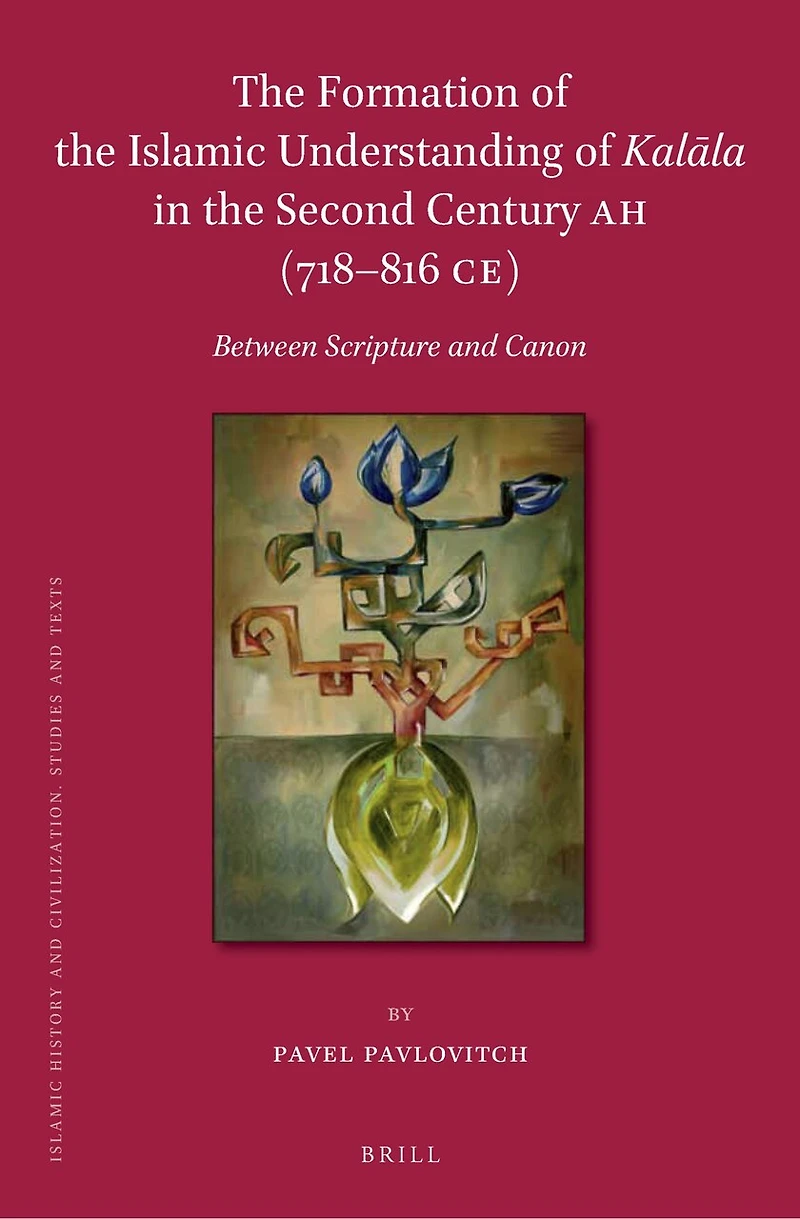
The Formation of the Islamic Understanding of Kalāla in the Second Century AH (718–816 CE): Between Scripture and Canon in Ottawa, ON
Current price: $377.99

The Formation of the Islamic Understanding of Kalāla in the Second Century AH (718–816 CE): Between Scripture and Canon in Ottawa, ON
Current price: $377.99
Loading Inventory...
Size: Hardcover
*Product information may vary - to confirm product availability, pricing, shipping and return information please contact Coles
In The Formation of the Islamic Understanding of kalāla in the Second Century AH (718-816 CE) , Pavel Pavlovitch studies traditions ( ḥadīth ) about the lexical and terminological meaning of the Quranic vocable kalāla . Attempts to understand kalāla began with acknowledging its unintelligibility but ultimately brought into existence a capacious body of interpretative ḥadīth , associated with early Islamic authorities. The analysis of these traditions affords insights into the changing conception of scripture during the first two Islamic centuries, the early history of Islamic exegesis and jurisprudence, and varying scholarly attitudes towards constituent sources of Islamic law. The book highlights the importance of coherent methodology of dating and reconstructing Muslim traditions according to their lines of transmission ( isnāds ) and their narrative content ( matns ).
In The Formation of the Islamic Understanding of kalāla in the Second Century AH (718-816 CE) , Pavel Pavlovitch studies traditions ( ḥadīth ) about the lexical and terminological meaning of the Quranic vocable kalāla . Attempts to understand kalāla began with acknowledging its unintelligibility but ultimately brought into existence a capacious body of interpretative ḥadīth , associated with early Islamic authorities. The analysis of these traditions affords insights into the changing conception of scripture during the first two Islamic centuries, the early history of Islamic exegesis and jurisprudence, and varying scholarly attitudes towards constituent sources of Islamic law. The book highlights the importance of coherent methodology of dating and reconstructing Muslim traditions according to their lines of transmission ( isnāds ) and their narrative content ( matns ).
You May Also Like










More About Coles at Bayshore Shopping Centre
Coles is renowned for its outstanding customer service and great selection of books. Along with the vast array of magazines, stationary, audio-books, children's literature, fiction, non-fiction and reference books, you can find accessories to make your reading experience more pleasurable. We can recommend the very best in reading today. We will help you search our titles for exactly what you need, and if we do not have it in stock, we will order it for you.
100 Bayshore Dr, Nepean, ON K2B 8C1, Canada
Find Coles at Bayshore Shopping Centre in Ottawa, ON
Visit Coles at Bayshore Shopping Centre in Ottawa, ON