

Give the Gift of Choice!
Too many options? Treat your friends and family to their favourite stores with a Bayshore Shopping Centre gift card, redeemable at participating retailers throughout the centre. Click below to purchase yours today!Purchase HereHome
The Francis Factor And The People Of God; New Life For The Church: New Life for the Church
Coles
Loading Inventory...
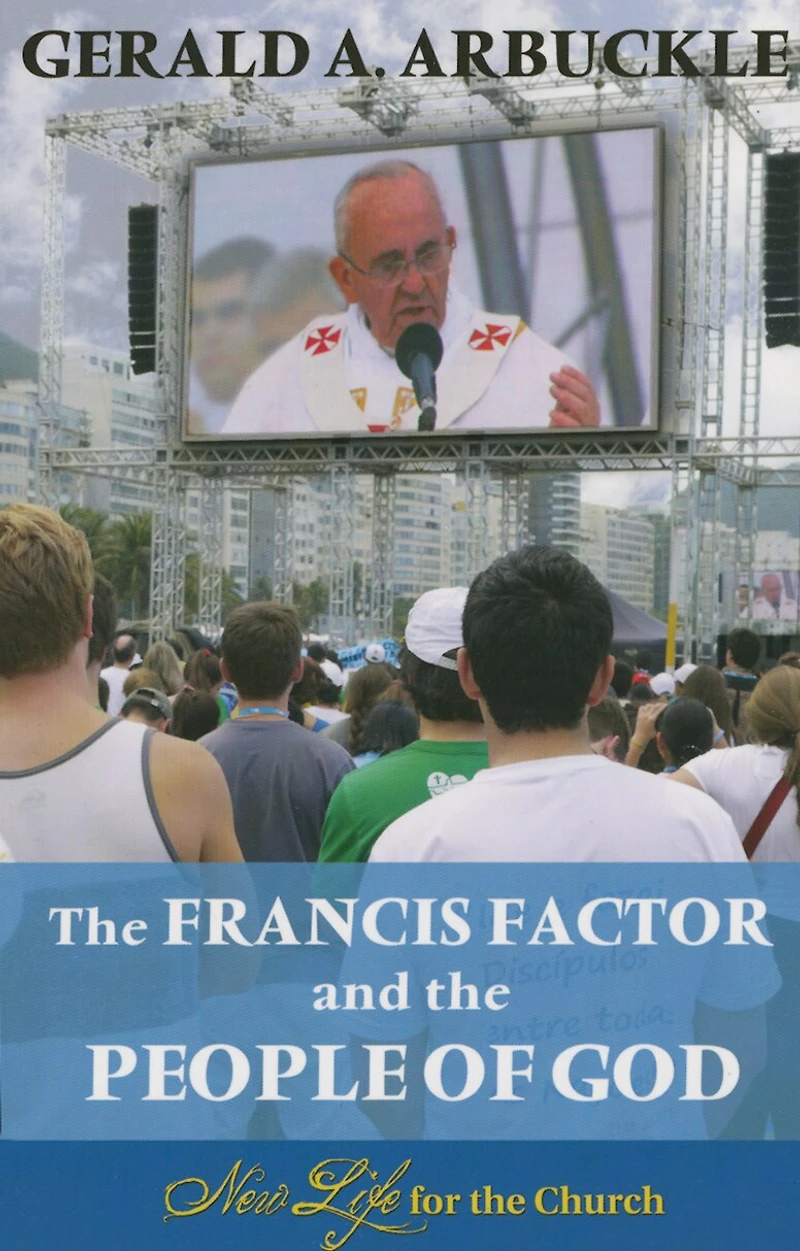
The Francis Factor And The People Of God; New Life For The Church: New Life for the Church in Ottawa, ON
Current price: $34.95

The Francis Factor And The People Of God; New Life For The Church: New Life for the Church in Ottawa, ON
Current price: $34.95
Loading Inventory...
Size: Paperback
*Product information may vary - to confirm product availability, pricing, shipping and return information please contact Coles
Individual and collective grief, if not expressed in mourning rituals, can suffocate creativity and paralyze individuals as well as institutions. In this timely work, theologian, educator, and facilitator Gerald A. Arbuckle argues that today, the emergence of Pope Francis as ritual leader in the Church has allowed suppressed grief to be articulated in a variety of ways, and the Church is now experiencing new energy, and opening up to necessary new methods of rebirth and renewal. From that premise, Arbuckle develops a cultural-anthropological model of institutional change. He applies this model to what has been happening in the Church since Vatican II, particularly in those institutions and religious expressions that found flower after the Council but have faced different realities in the decades since. For pastoral and organizational leaders, and all those involved in Church leadership, this book offers clarity and hope.
Individual and collective grief, if not expressed in mourning rituals, can suffocate creativity and paralyze individuals as well as institutions. In this timely work, theologian, educator, and facilitator Gerald A. Arbuckle argues that today, the emergence of Pope Francis as ritual leader in the Church has allowed suppressed grief to be articulated in a variety of ways, and the Church is now experiencing new energy, and opening up to necessary new methods of rebirth and renewal. From that premise, Arbuckle develops a cultural-anthropological model of institutional change. He applies this model to what has been happening in the Church since Vatican II, particularly in those institutions and religious expressions that found flower after the Council but have faced different realities in the decades since. For pastoral and organizational leaders, and all those involved in Church leadership, this book offers clarity and hope.
You May Also Like












More About Coles at Bayshore Shopping Centre
Coles is renowned for its outstanding customer service and great selection of books. Along with the vast array of magazines, stationary, audio-books, children's literature, fiction, non-fiction and reference books, you can find accessories to make your reading experience more pleasurable. We can recommend the very best in reading today. We will help you search our titles for exactly what you need, and if we do not have it in stock, we will order it for you.
100 Bayshore Dr, Nepean, ON K2B 8C1, Canada
Find Coles at Bayshore Shopping Centre in Ottawa, ON
Visit Coles at Bayshore Shopping Centre in Ottawa, ON