

Give the Gift of Choice!
Too many options? Treat your friends and family to their favourite stores with a Bayshore Shopping Centre gift card, redeemable at participating retailers throughout the centre. Click below to purchase yours today!Purchase HereHome
The Future of Union Organizing
Coles
Loading Inventory...
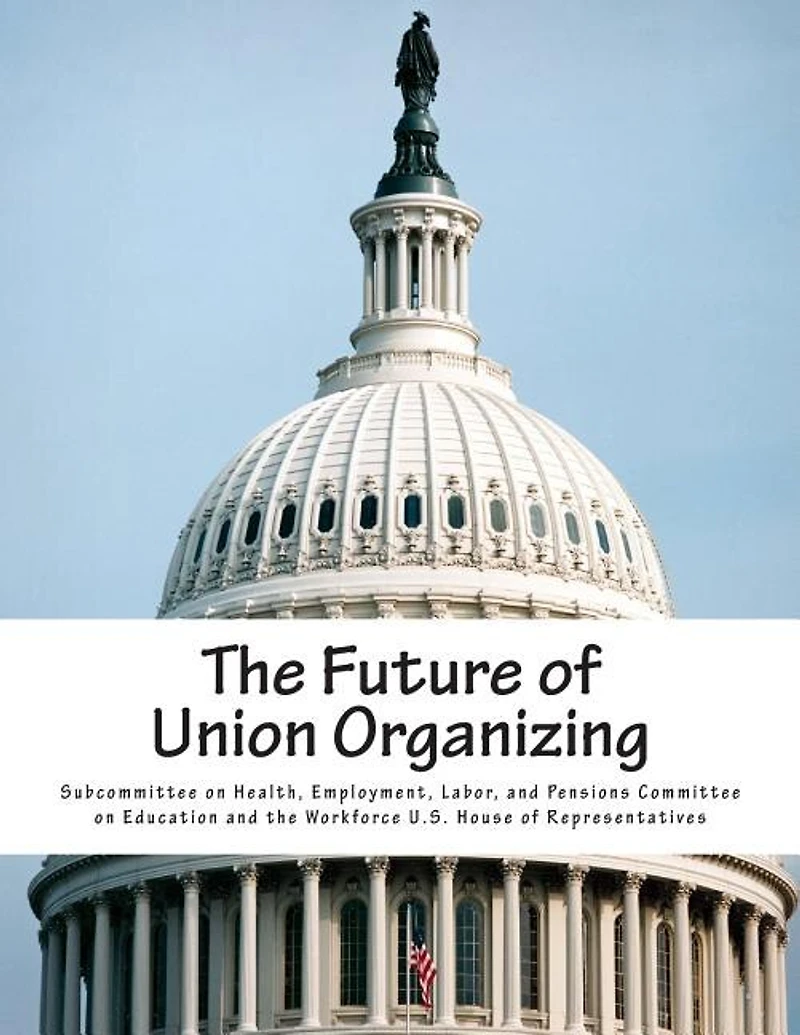
The Future of Union Organizing in Ottawa, ON
Current price: $20.95

The Future of Union Organizing in Ottawa, ON
Current price: $20.95
Loading Inventory...
Size: Paperback
*Product information may vary - to confirm product availability, pricing, shipping and return information please contact Coles
This morning we will broadly examine the future of union organizing. It is no secret the number of workers electing to join a union has declined sharply in recent decades. Since 1983, the share of all workers belonging to a union has dropped from roughly 20 percent to less than 12 percent. Today, fewer than 7 percent of private sector workers are union members. There has been an unhappy story, even in this recovery, for the middle class. In the early days of this economic recovery, for every 1 dollar of growth that went to higher wages for America's workers $70 went to corporate profits. The evidence broadly suggests that when people engage in collective bargaining that those results are considerably better. On the average, members of unions earn 27 percent more than those who don't belong to a union for similar work. Members of unions are 28 percent more likely to have health care benefits provided for them at work. They are 64 percent more likely to have a pension plan when they retire. These are the elements of middle class success. AFL-CIO president, Richard Trumka, recently warned the labor movement is in crisis. Gary Chaison, an industrial relations professor at Clark University, told the New York Times unions are thrashing around looking for answers, and there is a sense that this is a make or break time for labor. Either major changes are done, or we will be too late to resuscitate the labor movement.
This morning we will broadly examine the future of union organizing. It is no secret the number of workers electing to join a union has declined sharply in recent decades. Since 1983, the share of all workers belonging to a union has dropped from roughly 20 percent to less than 12 percent. Today, fewer than 7 percent of private sector workers are union members. There has been an unhappy story, even in this recovery, for the middle class. In the early days of this economic recovery, for every 1 dollar of growth that went to higher wages for America's workers $70 went to corporate profits. The evidence broadly suggests that when people engage in collective bargaining that those results are considerably better. On the average, members of unions earn 27 percent more than those who don't belong to a union for similar work. Members of unions are 28 percent more likely to have health care benefits provided for them at work. They are 64 percent more likely to have a pension plan when they retire. These are the elements of middle class success. AFL-CIO president, Richard Trumka, recently warned the labor movement is in crisis. Gary Chaison, an industrial relations professor at Clark University, told the New York Times unions are thrashing around looking for answers, and there is a sense that this is a make or break time for labor. Either major changes are done, or we will be too late to resuscitate the labor movement.
You May Also Like
















More About Coles at Bayshore Shopping Centre
Coles is renowned for its outstanding customer service and great selection of books. Along with the vast array of magazines, stationary, audio-books, children's literature, fiction, non-fiction and reference books, you can find accessories to make your reading experience more pleasurable. We can recommend the very best in reading today. We will help you search our titles for exactly what you need, and if we do not have it in stock, we will order it for you.
100 Bayshore Dr, Nepean, ON K2B 8C1, Canada
Find Coles at Bayshore Shopping Centre in Ottawa, ON
Visit Coles at Bayshore Shopping Centre in Ottawa, ON