

Give the Gift of Choice!
Too many options? Treat your friends and family to their favourite stores with a Bayshore Shopping Centre gift card, redeemable at participating retailers throughout the centre. Click below to purchase yours today!Purchase HereHome
The Gaia Hypothesis: Science on a Pagan Planet
Coles
Loading Inventory...
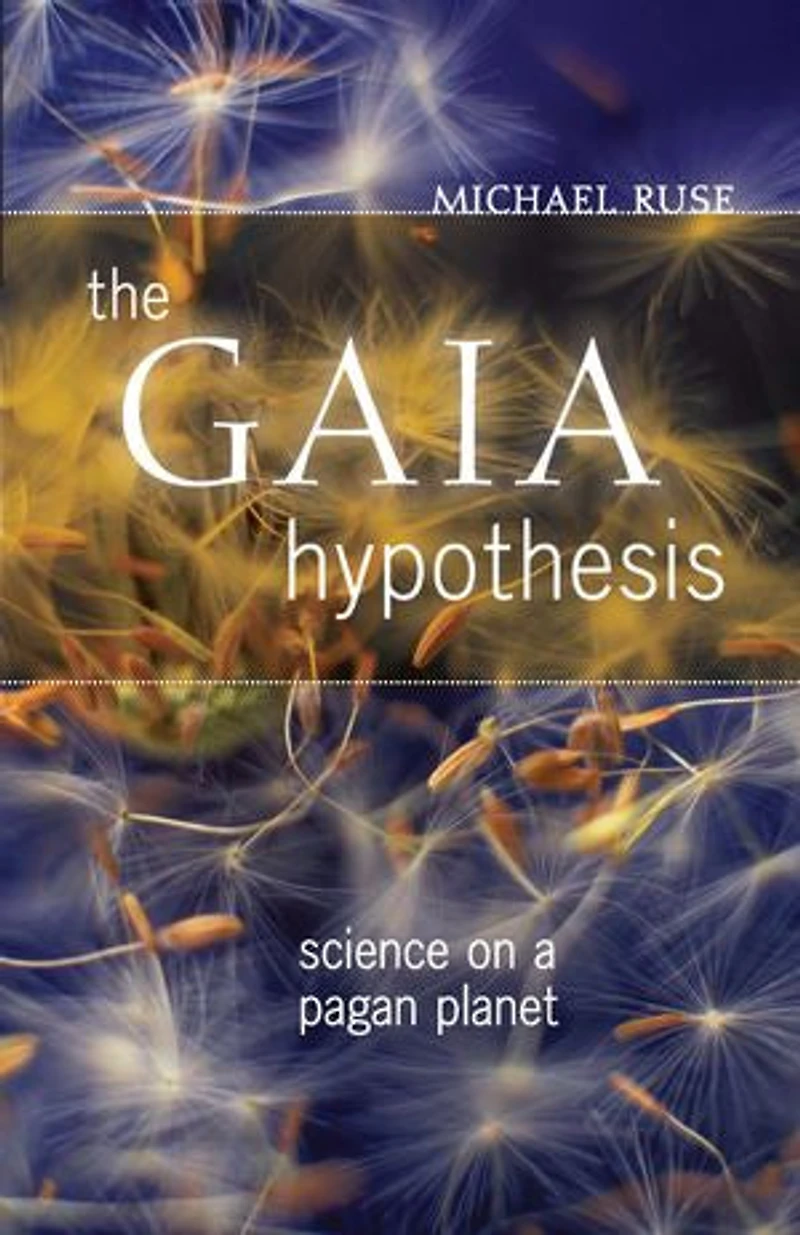
The Gaia Hypothesis: Science on a Pagan Planet in Ottawa, ON
Current price: $23.99
Original price: $29.99

The Gaia Hypothesis: Science on a Pagan Planet in Ottawa, ON
Current price: $23.99
Original price: $29.99
Loading Inventory...
Size: Kobo eBook
*Product information may vary - to confirm product availability, pricing, shipping and return information please contact Coles
"The book is full of empathetic, insightful, and often very funny portraits of Margulis, Lovelock, and a community of other figures associated with Gaia." —Carla Nappi, New Books in Science, Technology, and Society
In 1965 English scientist James Lovelock had a flash of insight: the Earth is not just teeming with life; the Earth, in some sense, is life. He mulled this revolutionary idea over for several years, first with his close friend the novelist William Golding, and then in an extensive collaboration with the American scientist Lynn Margulis. In the early 1970s, he finally went public with the Gaia hypothesis, the idea that everything happens for an end: the good of planet Earth. Lovelock and Margulis were scorned by professional scientists, but the general public enthusiastically embraced Lovelock and his hypothesis.
In The Gaia Hypothesis , philosopher Michael Ruse, with his characteristic clarity and wit, uses Gaia and its history, its supporters and detractors, to illuminate the nature of science itself. Gaia emerged in the 1960s, a decade when authority was questioned and status and dignity stood for nothing, but its story is much older. Ruse traces Gaia's connection to Plato and a long history of goal-directed and holistic—or organicist—thinking and explains why Lovelock and Margulis's peers rejected it as pseudoscience. But Ruse also shows why the project was a success. He argues that Lovelock and Margulis should be commended for giving philosophy firm scientific basis and for provoking important scientific discussion about the world as a whole, its homeostasis or—in this age of global environmental uncertainty—its lack thereof.
"[Ruse's] treatment is thought-provoking and original, as you would expect from this perceptive, irrepressible philosopher of biology." — New Scientist
"The book is full of empathetic, insightful, and often very funny portraits of Margulis, Lovelock, and a community of other figures associated with Gaia." —Carla Nappi, New Books in Science, Technology, and Society
In 1965 English scientist James Lovelock had a flash of insight: the Earth is not just teeming with life; the Earth, in some sense, is life. He mulled this revolutionary idea over for several years, first with his close friend the novelist William Golding, and then in an extensive collaboration with the American scientist Lynn Margulis. In the early 1970s, he finally went public with the Gaia hypothesis, the idea that everything happens for an end: the good of planet Earth. Lovelock and Margulis were scorned by professional scientists, but the general public enthusiastically embraced Lovelock and his hypothesis.
In The Gaia Hypothesis , philosopher Michael Ruse, with his characteristic clarity and wit, uses Gaia and its history, its supporters and detractors, to illuminate the nature of science itself. Gaia emerged in the 1960s, a decade when authority was questioned and status and dignity stood for nothing, but its story is much older. Ruse traces Gaia's connection to Plato and a long history of goal-directed and holistic—or organicist—thinking and explains why Lovelock and Margulis's peers rejected it as pseudoscience. But Ruse also shows why the project was a success. He argues that Lovelock and Margulis should be commended for giving philosophy firm scientific basis and for provoking important scientific discussion about the world as a whole, its homeostasis or—in this age of global environmental uncertainty—its lack thereof.
"[Ruse's] treatment is thought-provoking and original, as you would expect from this perceptive, irrepressible philosopher of biology." — New Scientist
You May Also Like








More About Coles at Bayshore Shopping Centre
Coles is renowned for its outstanding customer service and great selection of books. Along with the vast array of magazines, stationary, audio-books, children's literature, fiction, non-fiction and reference books, you can find accessories to make your reading experience more pleasurable. We can recommend the very best in reading today. We will help you search our titles for exactly what you need, and if we do not have it in stock, we will order it for you.
100 Bayshore Dr, Nepean, ON K2B 8C1, Canada
Find Coles at Bayshore Shopping Centre in Ottawa, ON
Visit Coles at Bayshore Shopping Centre in Ottawa, ON