

Give the Gift of Choice!
Too many options? Treat your friends and family to their favourite stores with a Bayshore Shopping Centre gift card, redeemable at participating retailers throughout the centre. Click below to purchase yours today!Purchase HereHome
The Ganges: Cultural, Economic and Environmental Significance
Coles
Loading Inventory...
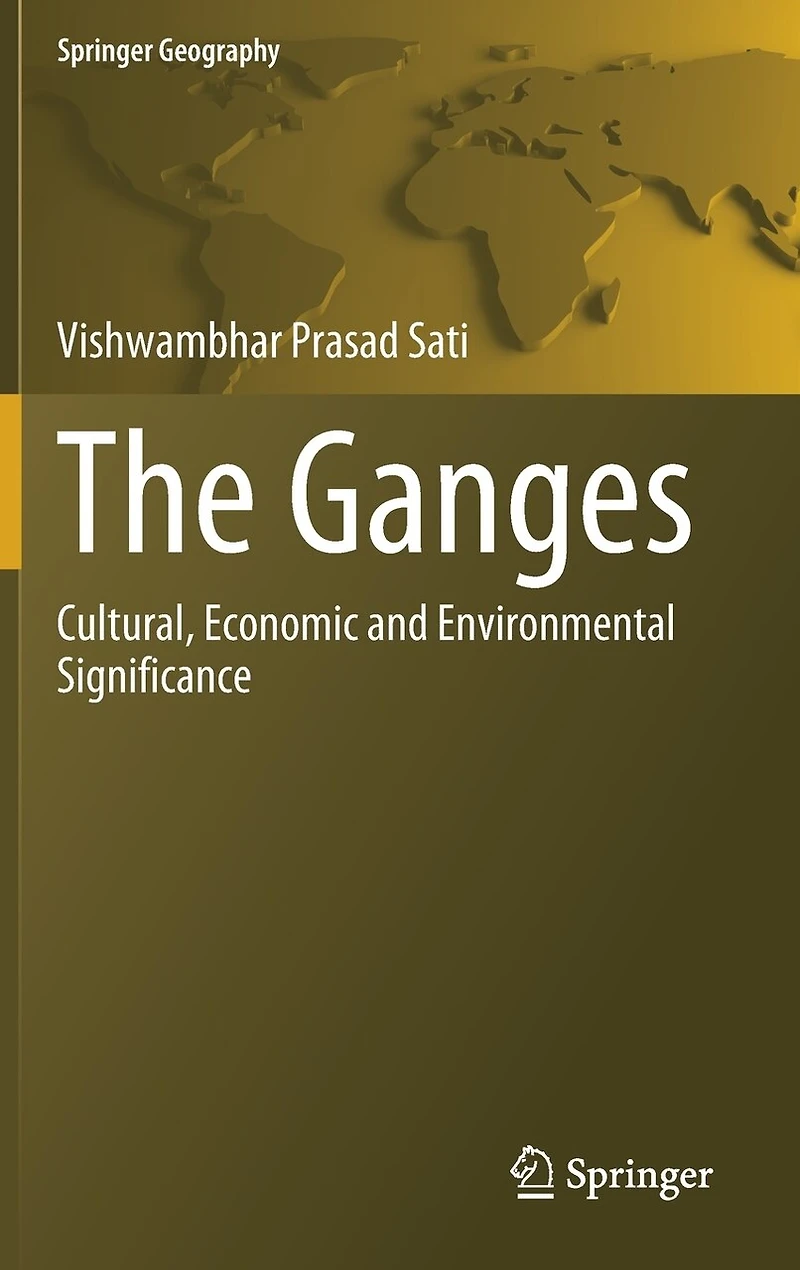
The Ganges: Cultural, Economic and Environmental Significance in Ottawa, ON
Current price: $160.95

The Ganges: Cultural, Economic and Environmental Significance in Ottawa, ON
Current price: $160.95
Loading Inventory...
Size: Hardcover
*Product information may vary - to confirm product availability, pricing, shipping and return information please contact Coles
'The Ganges: Cultural, Economic, and Environmental Importance' is a geographical, cultural, economic, and environmental interpretation of the Ganga River. The Ganga River originates from Gaumukh- situated in the high Himalaya, flows through the world's biggest fertile alluvial plain, and inlets into the Bay of Bengal at Ganga Sagar. It makes a unique natural and cultural landscape and is believed to be the holiest river of India. The Hindus called it 'Mother Ganga' and worship it. The towns/cities, situated on its bank, are world-famous and are known as the highland and valley pilgrimages. The water of the Ganga is pious, and the Hindus use it on different occasions while performing the rituals and customs. This book is unique because no previous study which presents a complete and comprehensive geographical description of the Ganga has been composed. This book presents the historical and cultural significance of the Ganga and its tributaries. Empirical, archival, and observation methods were applied to conduct this study. There are a total of 10 chapters in this book such as 'Introduction', 'the Ganga Basin', 'Geography of the Ganga Basin', 'the Ganges System: Ganga and its Tributaries', 'Ganga between Gaumukh and Uttarkashi', 'the Major Cultural Towns', 'Major Fairs and Festivals', 'Economic Significance of the Ganga', 'Environmental Issues', and 'Conclusions'. The contents of the book are enriched by 89 figures, 15 tables, and substantial citations and references.
'The Ganges: Cultural, Economic, and Environmental Importance' is a geographical, cultural, economic, and environmental interpretation of the Ganga River. The Ganga River originates from Gaumukh- situated in the high Himalaya, flows through the world's biggest fertile alluvial plain, and inlets into the Bay of Bengal at Ganga Sagar. It makes a unique natural and cultural landscape and is believed to be the holiest river of India. The Hindus called it 'Mother Ganga' and worship it. The towns/cities, situated on its bank, are world-famous and are known as the highland and valley pilgrimages. The water of the Ganga is pious, and the Hindus use it on different occasions while performing the rituals and customs. This book is unique because no previous study which presents a complete and comprehensive geographical description of the Ganga has been composed. This book presents the historical and cultural significance of the Ganga and its tributaries. Empirical, archival, and observation methods were applied to conduct this study. There are a total of 10 chapters in this book such as 'Introduction', 'the Ganga Basin', 'Geography of the Ganga Basin', 'the Ganges System: Ganga and its Tributaries', 'Ganga between Gaumukh and Uttarkashi', 'the Major Cultural Towns', 'Major Fairs and Festivals', 'Economic Significance of the Ganga', 'Environmental Issues', and 'Conclusions'. The contents of the book are enriched by 89 figures, 15 tables, and substantial citations and references.
You May Also Like













More About Coles at Bayshore Shopping Centre
Coles is renowned for its outstanding customer service and great selection of books. Along with the vast array of magazines, stationary, audio-books, children's literature, fiction, non-fiction and reference books, you can find accessories to make your reading experience more pleasurable. We can recommend the very best in reading today. We will help you search our titles for exactly what you need, and if we do not have it in stock, we will order it for you.
100 Bayshore Dr, Nepean, ON K2B 8C1, Canada
Find Coles at Bayshore Shopping Centre in Ottawa, ON
Visit Coles at Bayshore Shopping Centre in Ottawa, ON