

Give the Gift of Choice!
Too many options? Treat your friends and family to their favourite stores with a Bayshore Shopping Centre gift card, redeemable at participating retailers throughout the centre. Click below to purchase yours today!Purchase HereHome
The General Theory of Employment, Interest
Coles
Loading Inventory...
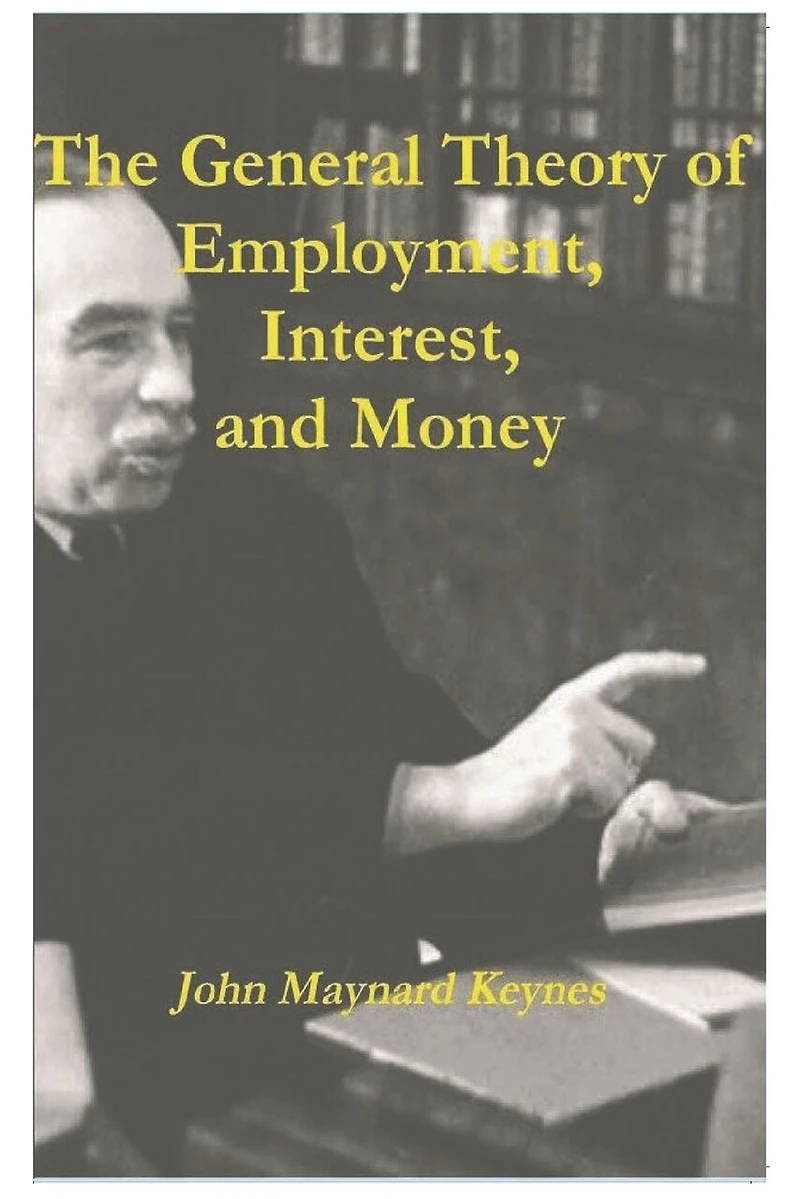
The General Theory of Employment, Interest in Ottawa, ON
Current price: $11.00

The General Theory of Employment, Interest in Ottawa, ON
Current price: $11.00
Loading Inventory...
Size: Paperback
*Product information may vary - to confirm product availability, pricing, shipping and return information please contact Coles
The General Theory of Employment, Interest and Money is Keynes' masterpiece published right after the Great Depression. It sought to bring about a revolution, commonly referred to as the "Keynesian Revolution", in the way economists thought - especially challenging the proposition that a market economy tends naturally to restore itself to full employment on its own. Regarded widely as the cornerstone of Keynesian thought, this book challenged the established classical economics and introduced new concepts. It remains a relevant topic of debate to this day, perhaps more than ever. Given the economic turmoil of recent years, this debate is more heated than ever, between the Keynesian model of economics of Bush and Obama which favors bailouts and other government intervention to try to stabilize the market, and the Austrian school of economics which sees government intervention as detrimental and favors letting the market sort itself out on its own with minimal government interference. You decide.
The General Theory of Employment, Interest and Money is Keynes' masterpiece published right after the Great Depression. It sought to bring about a revolution, commonly referred to as the "Keynesian Revolution", in the way economists thought - especially challenging the proposition that a market economy tends naturally to restore itself to full employment on its own. Regarded widely as the cornerstone of Keynesian thought, this book challenged the established classical economics and introduced new concepts. It remains a relevant topic of debate to this day, perhaps more than ever. Given the economic turmoil of recent years, this debate is more heated than ever, between the Keynesian model of economics of Bush and Obama which favors bailouts and other government intervention to try to stabilize the market, and the Austrian school of economics which sees government intervention as detrimental and favors letting the market sort itself out on its own with minimal government interference. You decide.
You May Also Like








More About Coles at Bayshore Shopping Centre
Coles is renowned for its outstanding customer service and great selection of books. Along with the vast array of magazines, stationary, audio-books, children's literature, fiction, non-fiction and reference books, you can find accessories to make your reading experience more pleasurable. We can recommend the very best in reading today. We will help you search our titles for exactly what you need, and if we do not have it in stock, we will order it for you.
100 Bayshore Dr, Nepean, ON K2B 8C1, Canada
Find Coles at Bayshore Shopping Centre in Ottawa, ON
Visit Coles at Bayshore Shopping Centre in Ottawa, ON