

Give the Gift of Choice!
Too many options? Treat your friends and family to their favourite stores with a Bayshore Shopping Centre gift card, redeemable at participating retailers throughout the centre. Click below to purchase yours today!Purchase HereHome
The Genetic Origination of Truth-Toward-Being: Edith Stein's Reconfiguration Husserl's Phenomenology
Coles
Loading Inventory...
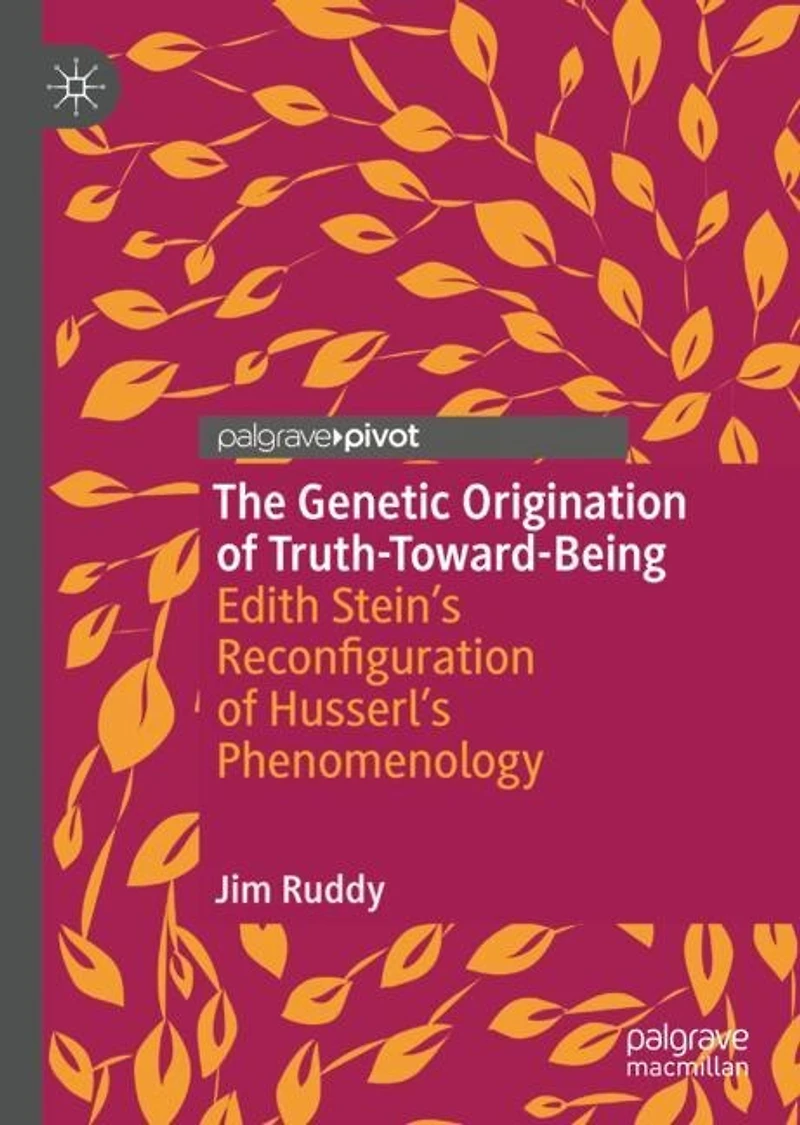
The Genetic Origination of Truth-Toward-Being: Edith Stein's Reconfiguration Husserl's Phenomenology in Ottawa, ON
Current price: $72.95

The Genetic Origination of Truth-Toward-Being: Edith Stein's Reconfiguration Husserl's Phenomenology in Ottawa, ON
Current price: $72.95
Loading Inventory...
Size: Hardcover
*Product information may vary - to confirm product availability, pricing, shipping and return information please contact Coles
Using both Father Kevin Wall's eidetic matrix of "the relational unity of being" and Edith Stein's remarkable synoptic view of intentionality in both Aquinas and Husserl, this book uncovers purely logical ground for a subalternate eidetic science called "convergent phenomenology," itself located at the inmost depths of Husserlian phenomenology. Convergent phenomenology emerges as a distinctively new discipline dealing with relation-like objectivity as opposed to the thing-like objectivity of traditional phenomenology. This has grand implications for the way we as humans conceive of God and being. The book thus benefits theologians, logicians, and phenomenologists by revealing the constitutive interrelationality of transcendental logic in an utterly new light as already flowering forth into formal ontology itself. What emerges is a rich conception of divinity and humanity.
Using both Father Kevin Wall's eidetic matrix of "the relational unity of being" and Edith Stein's remarkable synoptic view of intentionality in both Aquinas and Husserl, this book uncovers purely logical ground for a subalternate eidetic science called "convergent phenomenology," itself located at the inmost depths of Husserlian phenomenology. Convergent phenomenology emerges as a distinctively new discipline dealing with relation-like objectivity as opposed to the thing-like objectivity of traditional phenomenology. This has grand implications for the way we as humans conceive of God and being. The book thus benefits theologians, logicians, and phenomenologists by revealing the constitutive interrelationality of transcendental logic in an utterly new light as already flowering forth into formal ontology itself. What emerges is a rich conception of divinity and humanity.
You May Also Like











More About Coles at Bayshore Shopping Centre
Coles is renowned for its outstanding customer service and great selection of books. Along with the vast array of magazines, stationary, audio-books, children's literature, fiction, non-fiction and reference books, you can find accessories to make your reading experience more pleasurable. We can recommend the very best in reading today. We will help you search our titles for exactly what you need, and if we do not have it in stock, we will order it for you.
100 Bayshore Dr, Nepean, ON K2B 8C1, Canada
Find Coles at Bayshore Shopping Centre in Ottawa, ON
Visit Coles at Bayshore Shopping Centre in Ottawa, ON