

Give the Gift of Choice!
Too many options? Treat your friends and family to their favourite stores with a Bayshore Shopping Centre gift card, redeemable at participating retailers throughout the centre. Click below to purchase yours today!Purchase HereHome
The Geopolitics of Religious Soft Power: How States Use Religion Foreign Policy
Coles
Loading Inventory...
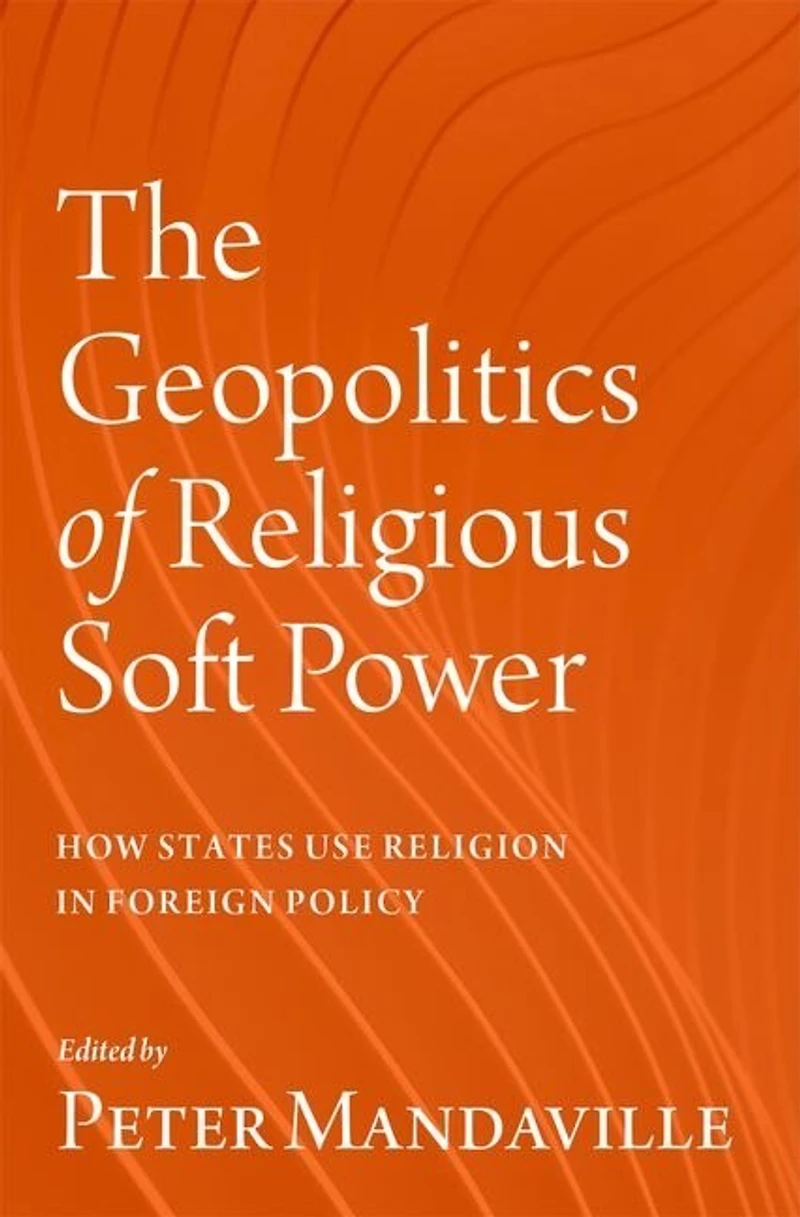
The Geopolitics of Religious Soft Power: How States Use Religion Foreign Policy in Ottawa, ON
Current price: $145.88

The Geopolitics of Religious Soft Power: How States Use Religion Foreign Policy in Ottawa, ON
Current price: $145.88
Loading Inventory...
Size: Hardcover
*Product information may vary - to confirm product availability, pricing, shipping and return information please contact Coles
Religion features prominently in the international relations of many states around the world today. Whether mobilizing religious affinities as a form of public diplomacy, positioning religion as a force to counteract perceived ideological foes, or creating transnational networks of religious populism to support incumbent regimes--governments clearly perceive geopolitical utility in the power of religion. This volume explores how states across multiple regions and a diverse range of faith traditions incorporate religion as an aspect of their foreign policy. Each subsequent chapter is written by a leading expert and explores the role of religion in the global engagement of a particular country. Brazil, China, India, Iran, Jordan, Indonesia, Russia, Saudi Arabia, Turkey, and the United States are all featured, as are states such as Israel and the Holy See, which by their nature have unique relationships with religion. The case studies illuminate various cross-national patterns, as well as continuities and discontinuities in the role of religion as a geopolitical tool. This volume aims to directly address gaps in scholarly knowledge with data and analysis and seeks to inform and shape scholarship, policymaking, and practice.
Religion features prominently in the international relations of many states around the world today. Whether mobilizing religious affinities as a form of public diplomacy, positioning religion as a force to counteract perceived ideological foes, or creating transnational networks of religious populism to support incumbent regimes--governments clearly perceive geopolitical utility in the power of religion. This volume explores how states across multiple regions and a diverse range of faith traditions incorporate religion as an aspect of their foreign policy. Each subsequent chapter is written by a leading expert and explores the role of religion in the global engagement of a particular country. Brazil, China, India, Iran, Jordan, Indonesia, Russia, Saudi Arabia, Turkey, and the United States are all featured, as are states such as Israel and the Holy See, which by their nature have unique relationships with religion. The case studies illuminate various cross-national patterns, as well as continuities and discontinuities in the role of religion as a geopolitical tool. This volume aims to directly address gaps in scholarly knowledge with data and analysis and seeks to inform and shape scholarship, policymaking, and practice.
You May Also Like










More About Coles at Bayshore Shopping Centre
Coles is renowned for its outstanding customer service and great selection of books. Along with the vast array of magazines, stationary, audio-books, children's literature, fiction, non-fiction and reference books, you can find accessories to make your reading experience more pleasurable. We can recommend the very best in reading today. We will help you search our titles for exactly what you need, and if we do not have it in stock, we will order it for you.
100 Bayshore Dr, Nepean, ON K2B 8C1, Canada
Find Coles at Bayshore Shopping Centre in Ottawa, ON
Visit Coles at Bayshore Shopping Centre in Ottawa, ON