

Give the Gift of Choice!
Too many options? Treat your friends and family to their favourite stores with a Bayshore Shopping Centre gift card, redeemable at participating retailers throughout the centre. Click below to purchase yours today!Purchase HereHome
The German Peasants' War and Anabaptist Community of Goods
Coles
Loading Inventory...
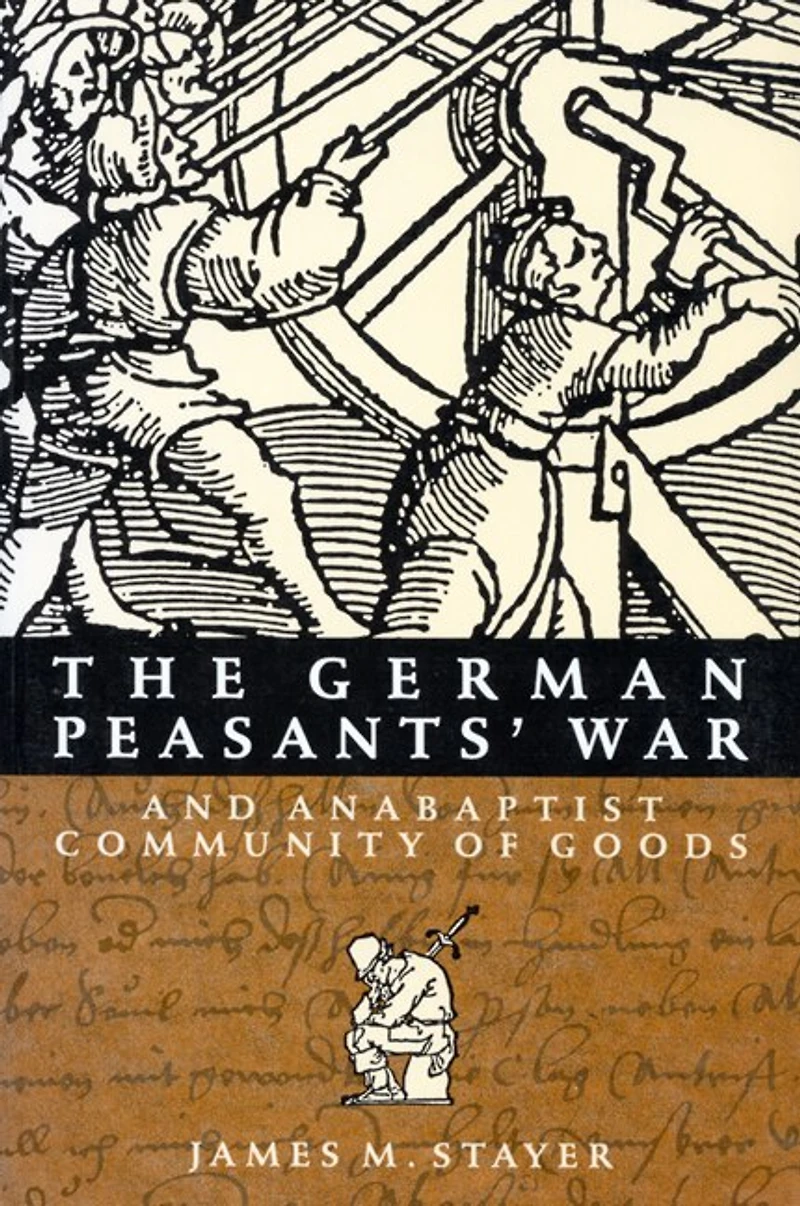
The German Peasants' War and Anabaptist Community of Goods in Ottawa, ON
Current price: $37.95

The German Peasants' War and Anabaptist Community of Goods in Ottawa, ON
Current price: $37.95
Loading Inventory...
Size: Paperback
*Product information may vary - to confirm product availability, pricing, shipping and return information please contact Coles
James Stayer argues that Anabaptist community of goods continued the popular radicalism of the early Reformation and the Peasants' War of 1525. During the German Reformation hundreds of thousands of commoners were mobilized by the hope that established clerical and aristocratic order could be replaced by justice and equity based on the divine law of the Bible. After the defeat of the commoners in the Peasants' War, some of the most ardent adherents of social and religious reform attempted to achieve these same aspirations by trying to implement the apostolic model of Acts 2 and 4 through the Anabaptists. Thus, as Stayer reveals, the Peasants' War was an essential formative experience for many of the original leaders of Anabaptism.
In the late 1520s persecution drove many Anabaptists to Moravia where, throughout the sixteenth century, they continued the commoners' resistance to privilege in church and state. Stayer argues that in Münster, however, where there had been no Peasants' War and where urban notables were prominent in the Anabaptist leadership, Anabaptist communism was badly corrupted. The historical continuities which Stayer establishes between the Peasants' War and Anabaptism in Switzerland, south Germany, and Moravia can in part explain this contrast.
James Stayer argues that Anabaptist community of goods continued the popular radicalism of the early Reformation and the Peasants' War of 1525. During the German Reformation hundreds of thousands of commoners were mobilized by the hope that established clerical and aristocratic order could be replaced by justice and equity based on the divine law of the Bible. After the defeat of the commoners in the Peasants' War, some of the most ardent adherents of social and religious reform attempted to achieve these same aspirations by trying to implement the apostolic model of Acts 2 and 4 through the Anabaptists. Thus, as Stayer reveals, the Peasants' War was an essential formative experience for many of the original leaders of Anabaptism.
In the late 1520s persecution drove many Anabaptists to Moravia where, throughout the sixteenth century, they continued the commoners' resistance to privilege in church and state. Stayer argues that in Münster, however, where there had been no Peasants' War and where urban notables were prominent in the Anabaptist leadership, Anabaptist communism was badly corrupted. The historical continuities which Stayer establishes between the Peasants' War and Anabaptism in Switzerland, south Germany, and Moravia can in part explain this contrast.
You May Also Like


















More About Coles at Bayshore Shopping Centre
Coles is renowned for its outstanding customer service and great selection of books. Along with the vast array of magazines, stationary, audio-books, children's literature, fiction, non-fiction and reference books, you can find accessories to make your reading experience more pleasurable. We can recommend the very best in reading today. We will help you search our titles for exactly what you need, and if we do not have it in stock, we will order it for you.
100 Bayshore Dr, Nepean, ON K2B 8C1, Canada
Find Coles at Bayshore Shopping Centre in Ottawa, ON
Visit Coles at Bayshore Shopping Centre in Ottawa, ON