

Give the Gift of Choice!
Too many options? Treat your friends and family to their favourite stores with a Bayshore Shopping Centre gift card, redeemable at participating retailers throughout the centre. Click below to purchase yours today!Purchase HereHome
the German Right, 1918–1930: Political Parties, Organized Interests, and Patriotic Associations Struggle against Weimar Democracy
Coles
Loading Inventory...
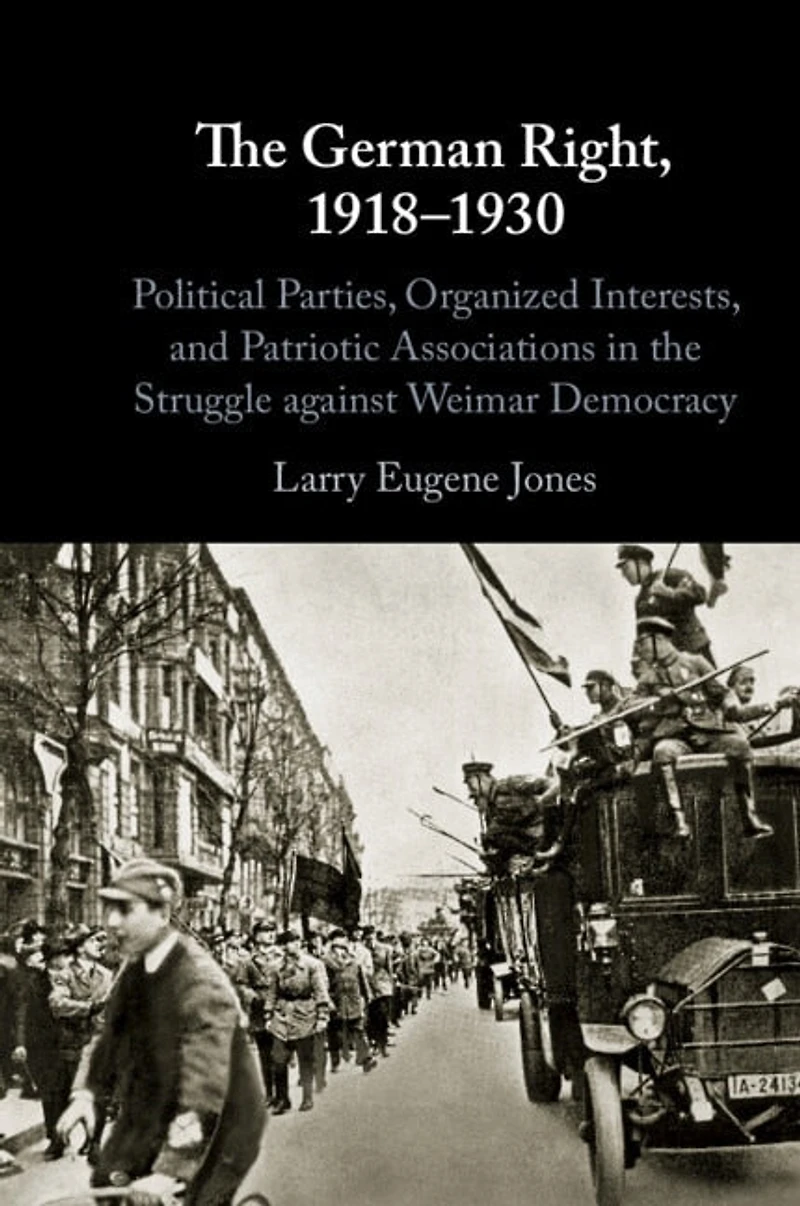
the German Right, 1918–1930: Political Parties, Organized Interests, and Patriotic Associations Struggle against Weimar Democracy in Ottawa, ON
Current price: $205.95

the German Right, 1918–1930: Political Parties, Organized Interests, and Patriotic Associations Struggle against Weimar Democracy in Ottawa, ON
Current price: $205.95
Loading Inventory...
Size: Hardcover
*Product information may vary - to confirm product availability, pricing, shipping and return information please contact Coles
The failure of the Weimar Republic and the rise of National Socialism remains one of the most challenging problems of twentieth-century European history. The German Right, 1918–1930 sheds new light on this problem by examining the role that the non-Nazi Right played in the destabilization of Weimar democracy in the period before the emergence of the Nazi Party as a mass party of middle-class protest. Larry Eugene Jones identifies a critical divide within the German Right between those prepared to work within the framework of Germany's new republican government and those irrevocably committed to its overthrow. This split was only exacerbated by the course of German economic development in the 1920s, leaving the various organizations that comprised the German Right defenceless against the challenge of National Socialism. At no point was the disunity of the non-Nazi Right in the face of Nazism more apparent than in the September 1930 Reichstag elections.
The failure of the Weimar Republic and the rise of National Socialism remains one of the most challenging problems of twentieth-century European history. The German Right, 1918–1930 sheds new light on this problem by examining the role that the non-Nazi Right played in the destabilization of Weimar democracy in the period before the emergence of the Nazi Party as a mass party of middle-class protest. Larry Eugene Jones identifies a critical divide within the German Right between those prepared to work within the framework of Germany's new republican government and those irrevocably committed to its overthrow. This split was only exacerbated by the course of German economic development in the 1920s, leaving the various organizations that comprised the German Right defenceless against the challenge of National Socialism. At no point was the disunity of the non-Nazi Right in the face of Nazism more apparent than in the September 1930 Reichstag elections.
You May Also Like











More About Coles at Bayshore Shopping Centre
Coles is renowned for its outstanding customer service and great selection of books. Along with the vast array of magazines, stationary, audio-books, children's literature, fiction, non-fiction and reference books, you can find accessories to make your reading experience more pleasurable. We can recommend the very best in reading today. We will help you search our titles for exactly what you need, and if we do not have it in stock, we will order it for you.
100 Bayshore Dr, Nepean, ON K2B 8C1, Canada
Find Coles at Bayshore Shopping Centre in Ottawa, ON
Visit Coles at Bayshore Shopping Centre in Ottawa, ON