

Give the Gift of Choice!
Too many options? Treat your friends and family to their favourite stores with a Bayshore Shopping Centre gift card, redeemable at participating retailers throughout the centre. Click below to purchase yours today!Purchase HereHome
The gilded man (El Dorado) and other pictures of the Spanish occupancy of America
Coles
Loading Inventory...
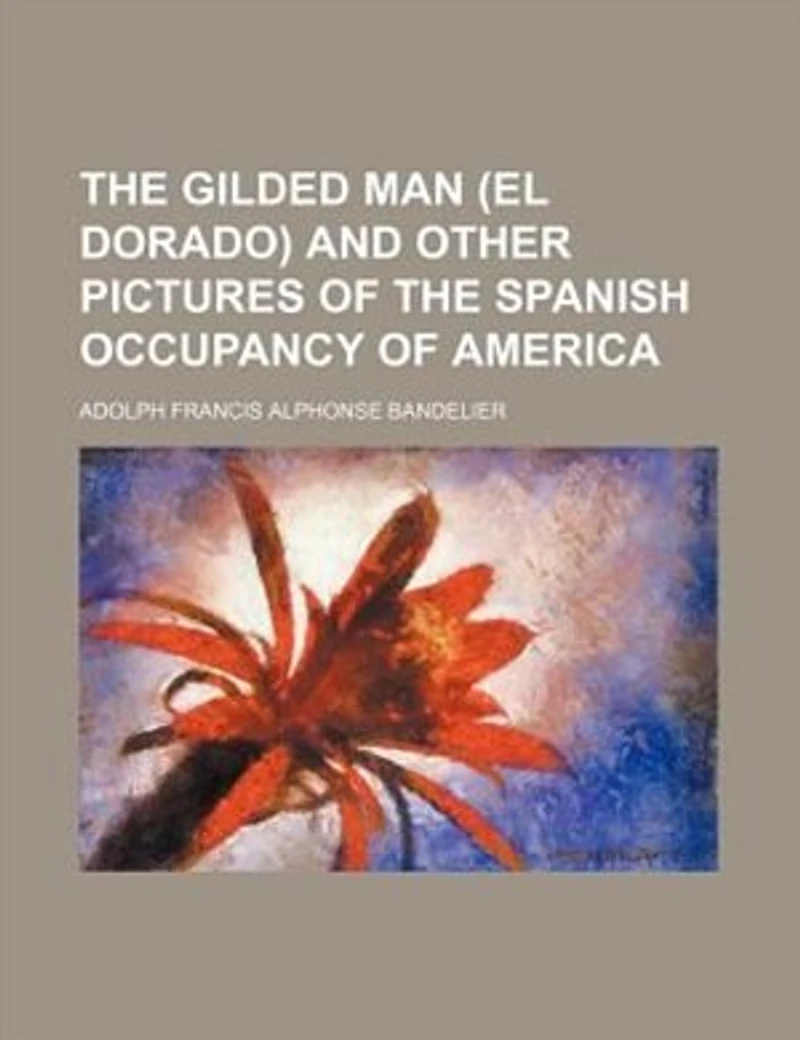
The gilded man (El Dorado) and other pictures of the Spanish occupancy of America in Ottawa, ON
Current price: $20.39

The gilded man (El Dorado) and other pictures of the Spanish occupancy of America in Ottawa, ON
Current price: $20.39
Loading Inventory...
Size: Paperback
*Product information may vary - to confirm product availability, pricing, shipping and return information please contact Coles
This historic book may have numerous typos and missing text. Purchasers can download a free scanned copy of the original book (without typos) from the publisher. Not indexed. Not illustrated. 1893 Excerpt: ...went, and in which the monk followed at a regular distance behind him, was north. Unfortunately The application by the whites of foreign names to Indian tribes is very frequent in America. t We may remark further that interchanges of 6 and v were common with the early Spanish writers, and that Fray Marcos de Nizza was a Piedmontese, who, writing in the Italian style, wrote Ci for the English Chi; thus the similarity between Shiuano and Chivola becomes greater, and the difference limits itself to such a confusion of sounds and such exchanges of letters arising from it as are often and strikingly exemplified in the Indian names of places in New Mexico; for example, in the Tehua language, Ta-ui into Taos; in the Queres, Pa-go or Pa-yo-qo-na into Pecos, Bamish into Jemez, Qo-tyi-ti into Coclriti; the Tigua word Tttth-la-nay into Tutahaco, Saray into Xalay, Na-si-ap into Napeya; the Zuni names Mu-gua into Moqui, Haeuqua into Acuco. It is therefore not unreasonable to suppose that the name Cibola, as the Italian monk heard and pronounced it, was strikingly similar to the word in the Zuni language that denotes the Zuni country; therefore this first linguistic clue suggests that the "seven cities of Cibola" may be sought in the region of Zuni. the single report which Fray Marcos, the only scribe in his party, wrote is unsatisfactory, or deficient in geographical data. No conclusions can be drawn from it in respect to the character of the country or to the number of rivers, the volume of water in them or their course. Equally indefinite are his statements, concerning the inhabitants. The zealous Franciscan seems to have been animated by only one thought--that of finding the seven cities of Cibola. The farther he advanced, the more he heard of them, and the...
This historic book may have numerous typos and missing text. Purchasers can download a free scanned copy of the original book (without typos) from the publisher. Not indexed. Not illustrated. 1893 Excerpt: ...went, and in which the monk followed at a regular distance behind him, was north. Unfortunately The application by the whites of foreign names to Indian tribes is very frequent in America. t We may remark further that interchanges of 6 and v were common with the early Spanish writers, and that Fray Marcos de Nizza was a Piedmontese, who, writing in the Italian style, wrote Ci for the English Chi; thus the similarity between Shiuano and Chivola becomes greater, and the difference limits itself to such a confusion of sounds and such exchanges of letters arising from it as are often and strikingly exemplified in the Indian names of places in New Mexico; for example, in the Tehua language, Ta-ui into Taos; in the Queres, Pa-go or Pa-yo-qo-na into Pecos, Bamish into Jemez, Qo-tyi-ti into Coclriti; the Tigua word Tttth-la-nay into Tutahaco, Saray into Xalay, Na-si-ap into Napeya; the Zuni names Mu-gua into Moqui, Haeuqua into Acuco. It is therefore not unreasonable to suppose that the name Cibola, as the Italian monk heard and pronounced it, was strikingly similar to the word in the Zuni language that denotes the Zuni country; therefore this first linguistic clue suggests that the "seven cities of Cibola" may be sought in the region of Zuni. the single report which Fray Marcos, the only scribe in his party, wrote is unsatisfactory, or deficient in geographical data. No conclusions can be drawn from it in respect to the character of the country or to the number of rivers, the volume of water in them or their course. Equally indefinite are his statements, concerning the inhabitants. The zealous Franciscan seems to have been animated by only one thought--that of finding the seven cities of Cibola. The farther he advanced, the more he heard of them, and the...
You May Also Like












More About Coles at Bayshore Shopping Centre
Coles is renowned for its outstanding customer service and great selection of books. Along with the vast array of magazines, stationary, audio-books, children's literature, fiction, non-fiction and reference books, you can find accessories to make your reading experience more pleasurable. We can recommend the very best in reading today. We will help you search our titles for exactly what you need, and if we do not have it in stock, we will order it for you.
100 Bayshore Dr, Nepean, ON K2B 8C1, Canada
Find Coles at Bayshore Shopping Centre in Ottawa, ON
Visit Coles at Bayshore Shopping Centre in Ottawa, ON