

Give the Gift of Choice!
Too many options? Treat your friends and family to their favourite stores with a Bayshore Shopping Centre gift card, redeemable at participating retailers throughout the centre. Click below to purchase yours today!Purchase HereHome
The Globalization of Wheat: A Critical History of the Green Revolution
Coles
Loading Inventory...
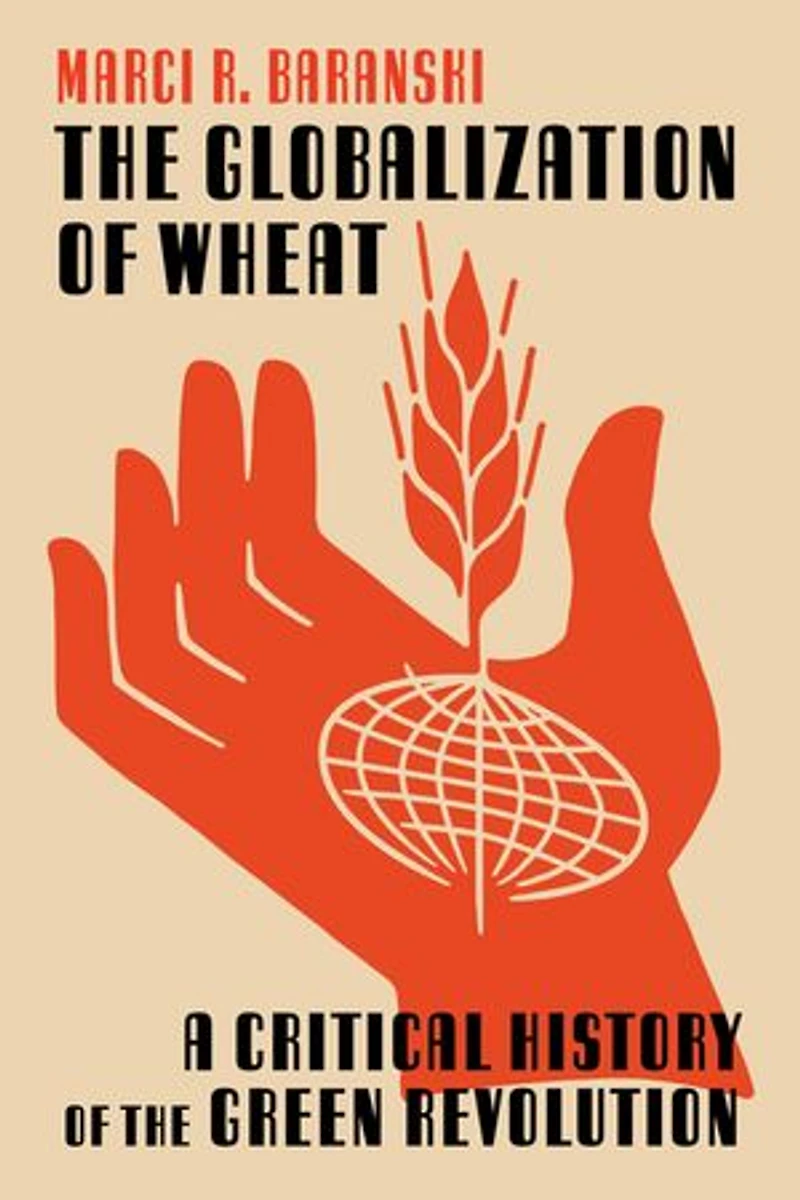
The Globalization of Wheat: A Critical History of the Green Revolution in Ottawa, ON
Current price: $67.99
Original price: $84.99

The Globalization of Wheat: A Critical History of the Green Revolution in Ottawa, ON
Current price: $67.99
Original price: $84.99
Loading Inventory...
Size: Kobo eBook
*Product information may vary - to confirm product availability, pricing, shipping and return information please contact Coles
In The Globalization of Wheat , Marci R. Baranski explores Norman Borlaug’s complicated legacy as godfather of the Green Revolution. Winner of the Nobel Peace Prize in 1970 for his role in fighting global hunger, Borlaug, an American agricultural scientist and plant breeder who worked for the Rockefeller Foundation, left a legacy that divides opinions even today. His high-yielding dwarf wheat varieties, known as miracle seeds, effectively doubled and tripled crop yields across the globe, from Kenya to India and Argentina to Mexico due to their wide adaptation. But these modern seeds also required expensive chemical fertilizers and irrigation, both of which were only available to wealthier farmers. Baranski argues that Borlaug’s new technologies ultimately privileged wealthier farmers, despite assurances to politicians that these new crops would thrive in diverse geographies and benefit all farmers. As large-scale monocultures replaced traditional farming practices, these changes were codified into the Indian wheat research system, thus limiting attention to traditional practices and marginal environments. In the shadow of this legacy, and in the face of accelerating climate change, Baranski brings new light to Borlaug’s role in a controversial concept in agricultural science.
In The Globalization of Wheat , Marci R. Baranski explores Norman Borlaug’s complicated legacy as godfather of the Green Revolution. Winner of the Nobel Peace Prize in 1970 for his role in fighting global hunger, Borlaug, an American agricultural scientist and plant breeder who worked for the Rockefeller Foundation, left a legacy that divides opinions even today. His high-yielding dwarf wheat varieties, known as miracle seeds, effectively doubled and tripled crop yields across the globe, from Kenya to India and Argentina to Mexico due to their wide adaptation. But these modern seeds also required expensive chemical fertilizers and irrigation, both of which were only available to wealthier farmers. Baranski argues that Borlaug’s new technologies ultimately privileged wealthier farmers, despite assurances to politicians that these new crops would thrive in diverse geographies and benefit all farmers. As large-scale monocultures replaced traditional farming practices, these changes were codified into the Indian wheat research system, thus limiting attention to traditional practices and marginal environments. In the shadow of this legacy, and in the face of accelerating climate change, Baranski brings new light to Borlaug’s role in a controversial concept in agricultural science.
You May Also Like










More About Coles at Bayshore Shopping Centre
Coles is renowned for its outstanding customer service and great selection of books. Along with the vast array of magazines, stationary, audio-books, children's literature, fiction, non-fiction and reference books, you can find accessories to make your reading experience more pleasurable. We can recommend the very best in reading today. We will help you search our titles for exactly what you need, and if we do not have it in stock, we will order it for you.
100 Bayshore Dr, Nepean, ON K2B 8C1, Canada
Find Coles at Bayshore Shopping Centre in Ottawa, ON
Visit Coles at Bayshore Shopping Centre in Ottawa, ON