

Give the Gift of Choice!
Too many options? Treat your friends and family to their favourite stores with a Bayshore Shopping Centre gift card, redeemable at participating retailers throughout the centre. Click below to purchase yours today!Purchase HereHome
The Glossa Ordinaria: The Making of a Medieval Bible Commentary
Coles
Loading Inventory...
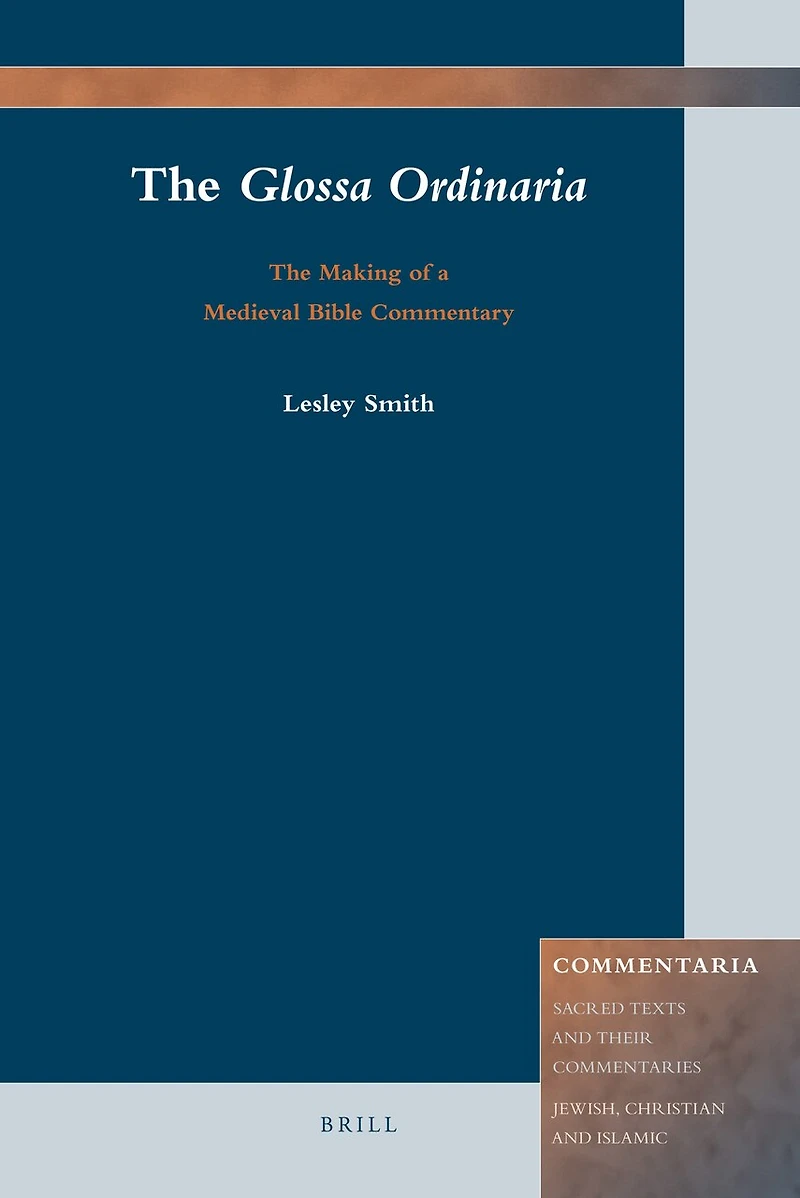
The Glossa Ordinaria: The Making of a Medieval Bible Commentary in Ottawa, ON
Current price: $249.99

The Glossa Ordinaria: The Making of a Medieval Bible Commentary in Ottawa, ON
Current price: $249.99
Loading Inventory...
Size: Hardcover
*Product information may vary - to confirm product availability, pricing, shipping and return information please contact Coles
The Glossa Ordinaria on the Bible was the ubiquitous text of the Middle Ages. Compiled in twelfth-century France, this multi-volume work, containing the entire text of Scripture surrounded by a commentary drawn from patristic and medieval authors, is still extant in thousands of manuscripts, testifying to the centrality of the work for generations of medieval scholars. Although the Glossa has been the subject of modern study, it is surrounded by myth. This book, based on manuscript evidence, is the first to draw together the history of this monumental work, its authorship, content, layout, production and use. Raising new questions, and pointing the way to further research, it opens up the Glossa to all students of medieval religion and intellectual history.
The Glossa Ordinaria on the Bible was the ubiquitous text of the Middle Ages. Compiled in twelfth-century France, this multi-volume work, containing the entire text of Scripture surrounded by a commentary drawn from patristic and medieval authors, is still extant in thousands of manuscripts, testifying to the centrality of the work for generations of medieval scholars. Although the Glossa has been the subject of modern study, it is surrounded by myth. This book, based on manuscript evidence, is the first to draw together the history of this monumental work, its authorship, content, layout, production and use. Raising new questions, and pointing the way to further research, it opens up the Glossa to all students of medieval religion and intellectual history.
You May Also Like







More About Coles at Bayshore Shopping Centre
Coles is renowned for its outstanding customer service and great selection of books. Along with the vast array of magazines, stationary, audio-books, children's literature, fiction, non-fiction and reference books, you can find accessories to make your reading experience more pleasurable. We can recommend the very best in reading today. We will help you search our titles for exactly what you need, and if we do not have it in stock, we will order it for you.
100 Bayshore Dr, Nepean, ON K2B 8C1, Canada
Find Coles at Bayshore Shopping Centre in Ottawa, ON
Visit Coles at Bayshore Shopping Centre in Ottawa, ON