

Give the Gift of Choice!
Too many options? Treat your friends and family to their favourite stores with a Bayshore Shopping Centre gift card, redeemable at participating retailers throughout the centre. Click below to purchase yours today!Purchase HereHome
the God Who Is with Us: Theology of Mission Doctrine Revelation
Coles
Loading Inventory...
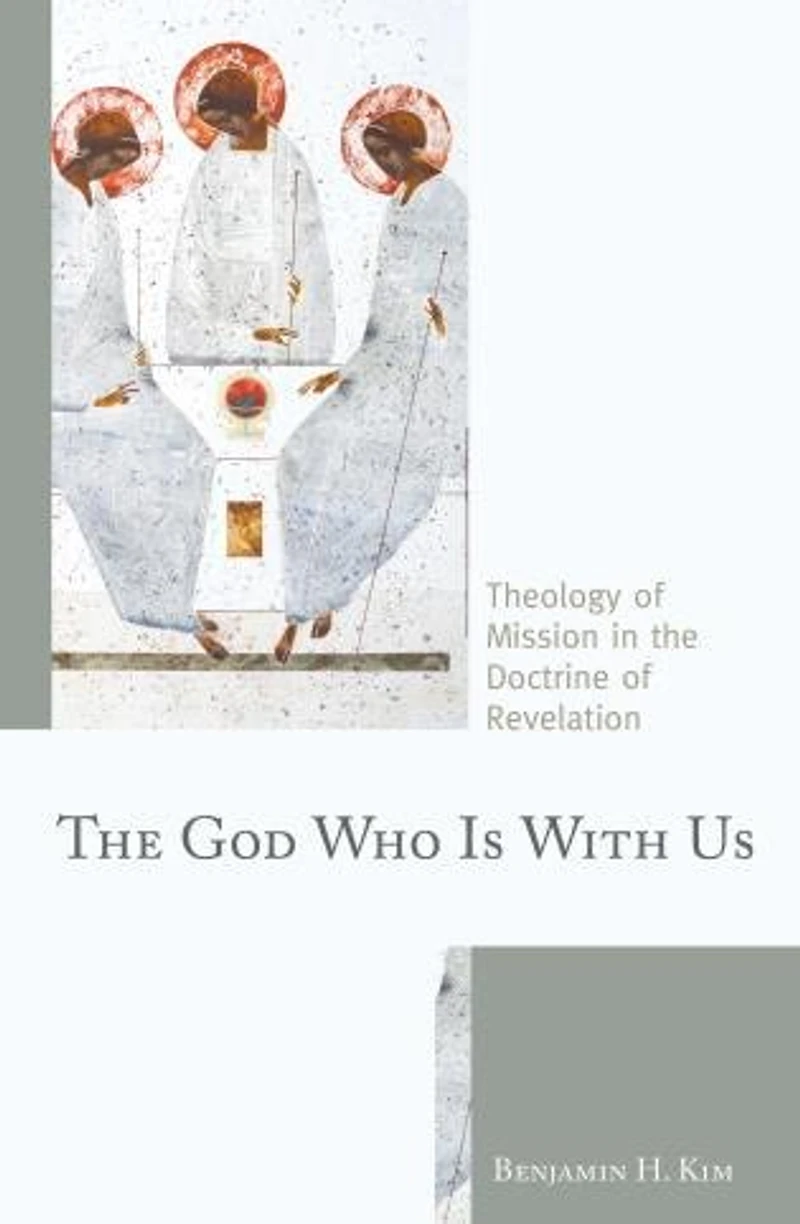
the God Who Is with Us: Theology of Mission Doctrine Revelation in Ottawa, ON
Current price: $167.95

the God Who Is with Us: Theology of Mission Doctrine Revelation in Ottawa, ON
Current price: $167.95
Loading Inventory...
Size: Hardcover
*Product information may vary - to confirm product availability, pricing, shipping and return information please contact Coles
Contemporary theologies of mission rely on the central concept of the missio Dei, which states that mission properly belongs to the triune God over the church. However, present accounts fail to establish any corresponding link between God's trinitarian economy and ontology. In other words, the problem of the missio Dei is the problem of the break between the act and being of God. Benjamin H. Kim argues that a repair is needed for missio Dei theology, and this repair is found in reexamining Barth's doctrine of revelation. In doing so, the locus of mission moves from God's trinitarian sending to his trinitarian revealing. The repair is further advanced by Dietrich Bonhoeffer through his concept of person, which functions as the unity of act and being. This account returns mission to its original definition, which was intended to describe the inner-trinitarian being of God in relation to humanity. The concept of person recovers this meaning of mission by locating it first in the person of Christ and second, in the collective person of the church existing as the Christ community. Thus, Bonhoeffer's description of revelation in terms of personhood provides and account that is more faithful to the missio Dei's core insights.
Contemporary theologies of mission rely on the central concept of the missio Dei, which states that mission properly belongs to the triune God over the church. However, present accounts fail to establish any corresponding link between God's trinitarian economy and ontology. In other words, the problem of the missio Dei is the problem of the break between the act and being of God. Benjamin H. Kim argues that a repair is needed for missio Dei theology, and this repair is found in reexamining Barth's doctrine of revelation. In doing so, the locus of mission moves from God's trinitarian sending to his trinitarian revealing. The repair is further advanced by Dietrich Bonhoeffer through his concept of person, which functions as the unity of act and being. This account returns mission to its original definition, which was intended to describe the inner-trinitarian being of God in relation to humanity. The concept of person recovers this meaning of mission by locating it first in the person of Christ and second, in the collective person of the church existing as the Christ community. Thus, Bonhoeffer's description of revelation in terms of personhood provides and account that is more faithful to the missio Dei's core insights.
You May Also Like














More About Coles at Bayshore Shopping Centre
Coles is renowned for its outstanding customer service and great selection of books. Along with the vast array of magazines, stationary, audio-books, children's literature, fiction, non-fiction and reference books, you can find accessories to make your reading experience more pleasurable. We can recommend the very best in reading today. We will help you search our titles for exactly what you need, and if we do not have it in stock, we will order it for you.
100 Bayshore Dr, Nepean, ON K2B 8C1, Canada
Find Coles at Bayshore Shopping Centre in Ottawa, ON
Visit Coles at Bayshore Shopping Centre in Ottawa, ON