

Give the Gift of Choice!
Too many options? Treat your friends and family to their favourite stores with a Bayshore Shopping Centre gift card, redeemable at participating retailers throughout the centre. Click below to purchase yours today!Purchase HereHome
The Good, the Bad, and the Ugly Oils We Use in Food
Coles
Loading Inventory...
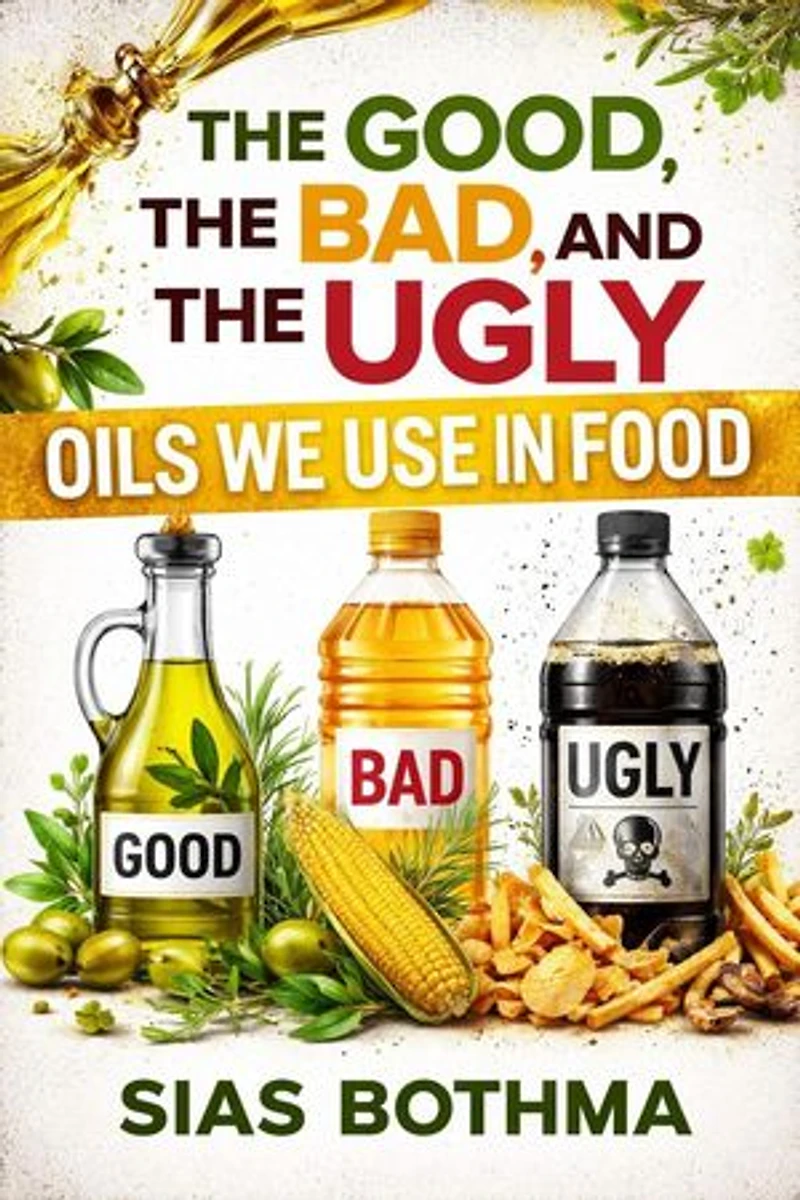
The Good, the Bad, and the Ugly Oils We Use in Food in Ottawa, ON
Current price: $6.99

The Good, the Bad, and the Ugly Oils We Use in Food in Ottawa, ON
Current price: $6.99
Loading Inventory...
Size: Kobo eBook
*Product information may vary - to confirm product availability, pricing, shipping and return information please contact Coles
The Good, The Bad, and The Ugly Oils We Use in Food
By Sias Bothma
Cooking oils are everywhere. They sit in our kitchens, fill supermarket shelves, and appear in almost every processed food we eat. Most people assume they are harmless. Very few ever stop to ask where these oils come from, how they are made, or what they may actually be doing to the human body.
In this thought-provoking book, Sias Bothma takes readers on a journey through the modern world of edible oils. From the traditional fats used by generations before us to the highly processed vegetable oils that dominate today's food industry, the book asks a simple question: which oils truly belong in our food, and which ones do not?
Drawing on history, science, industry practices, and real experiences, the book explores how cooking oils are produced, why certain oils became popular, and how modern processing methods may have changed the food we eat in ways most consumers never see.
Inside this book you will discover:
• How traditional fats such as butter, ghee, and animal fats were used for centuries
• How industrial seed oils became a major part of the modern diet
• What happens during the chemical processing of many commercial cooking oils
• The difference between stable natural fats and heavily refined oils
• Why not every oil that appears in the food chain was originally meant for human consumption
Along the way, the book also exposes disturbing real-world examples of how oils can move through informal markets, showing how easily the line between food products and industrial substances can become blurred.
Clear, direct, and grounded in common sense, The Good, The Bad, and The Ugly Oils We Use in Food challenges readers to look more carefully at what they cook with, what they eat, and what they have been told about modern nutrition.
Sometimes the truth about food is far simpler than the marketing.
The Good, The Bad, and The Ugly Oils We Use in Food
By Sias Bothma
Cooking oils are everywhere. They sit in our kitchens, fill supermarket shelves, and appear in almost every processed food we eat. Most people assume they are harmless. Very few ever stop to ask where these oils come from, how they are made, or what they may actually be doing to the human body.
In this thought-provoking book, Sias Bothma takes readers on a journey through the modern world of edible oils. From the traditional fats used by generations before us to the highly processed vegetable oils that dominate today's food industry, the book asks a simple question: which oils truly belong in our food, and which ones do not?
Drawing on history, science, industry practices, and real experiences, the book explores how cooking oils are produced, why certain oils became popular, and how modern processing methods may have changed the food we eat in ways most consumers never see.
Inside this book you will discover:
• How traditional fats such as butter, ghee, and animal fats were used for centuries
• How industrial seed oils became a major part of the modern diet
• What happens during the chemical processing of many commercial cooking oils
• The difference between stable natural fats and heavily refined oils
• Why not every oil that appears in the food chain was originally meant for human consumption
Along the way, the book also exposes disturbing real-world examples of how oils can move through informal markets, showing how easily the line between food products and industrial substances can become blurred.
Clear, direct, and grounded in common sense, The Good, The Bad, and The Ugly Oils We Use in Food challenges readers to look more carefully at what they cook with, what they eat, and what they have been told about modern nutrition.
Sometimes the truth about food is far simpler than the marketing.
You May Also Like










More About Coles at Bayshore Shopping Centre
Coles is renowned for its outstanding customer service and great selection of books. Along with the vast array of magazines, stationary, audio-books, children's literature, fiction, non-fiction and reference books, you can find accessories to make your reading experience more pleasurable. We can recommend the very best in reading today. We will help you search our titles for exactly what you need, and if we do not have it in stock, we will order it for you.
100 Bayshore Dr, Nepean, ON K2B 8C1, Canada
Find Coles at Bayshore Shopping Centre in Ottawa, ON
Visit Coles at Bayshore Shopping Centre in Ottawa, ON