

Give the Gift of Choice!
Too many options? Treat your friends and family to their favourite stores with a Bayshore Shopping Centre gift card, redeemable at participating retailers throughout the centre. Click below to purchase yours today!Purchase HereHome
the Great Air Race: Glory, Tragedy, and Dawn of American Aviation
Coles
Loading Inventory...
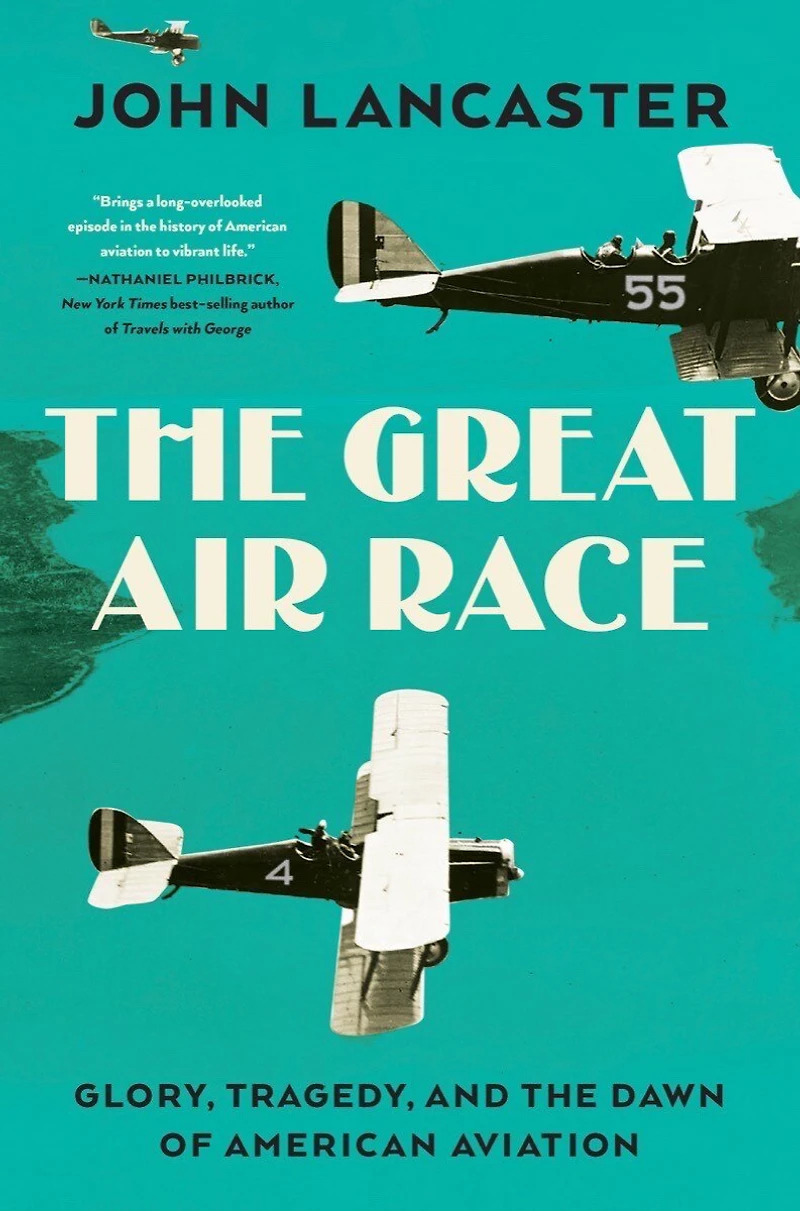
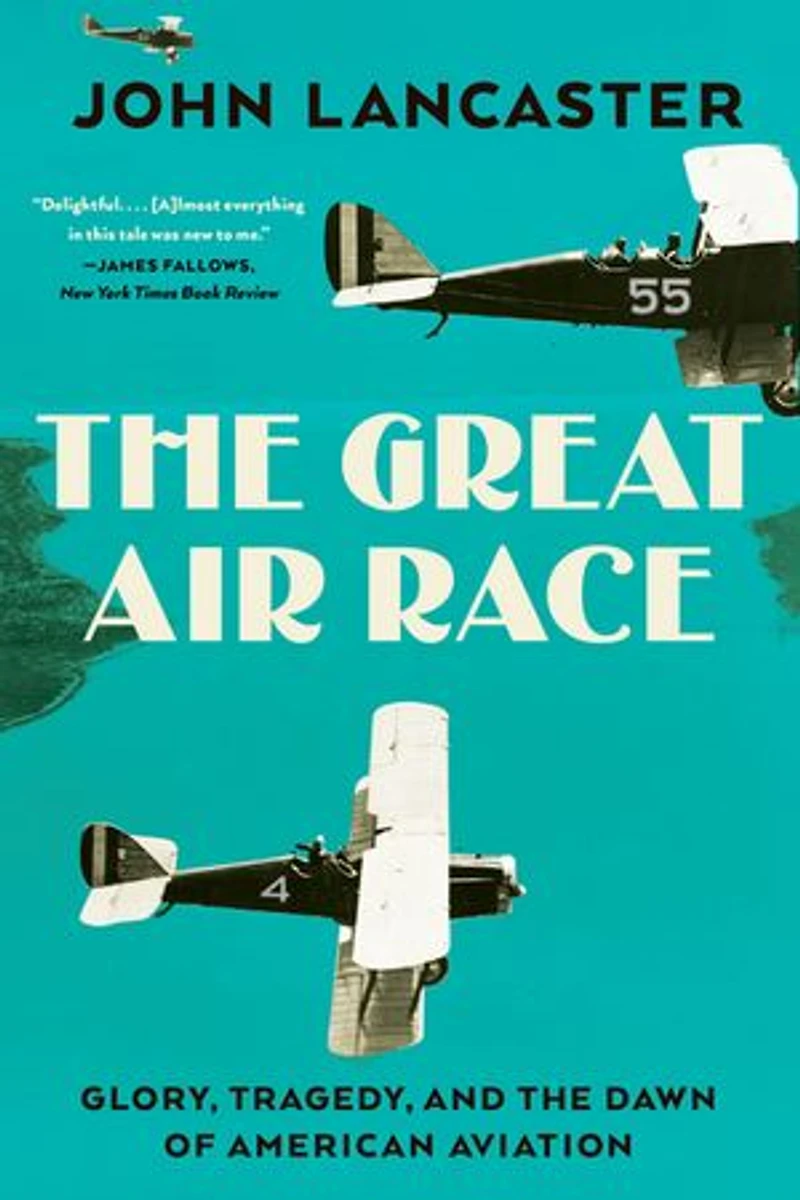
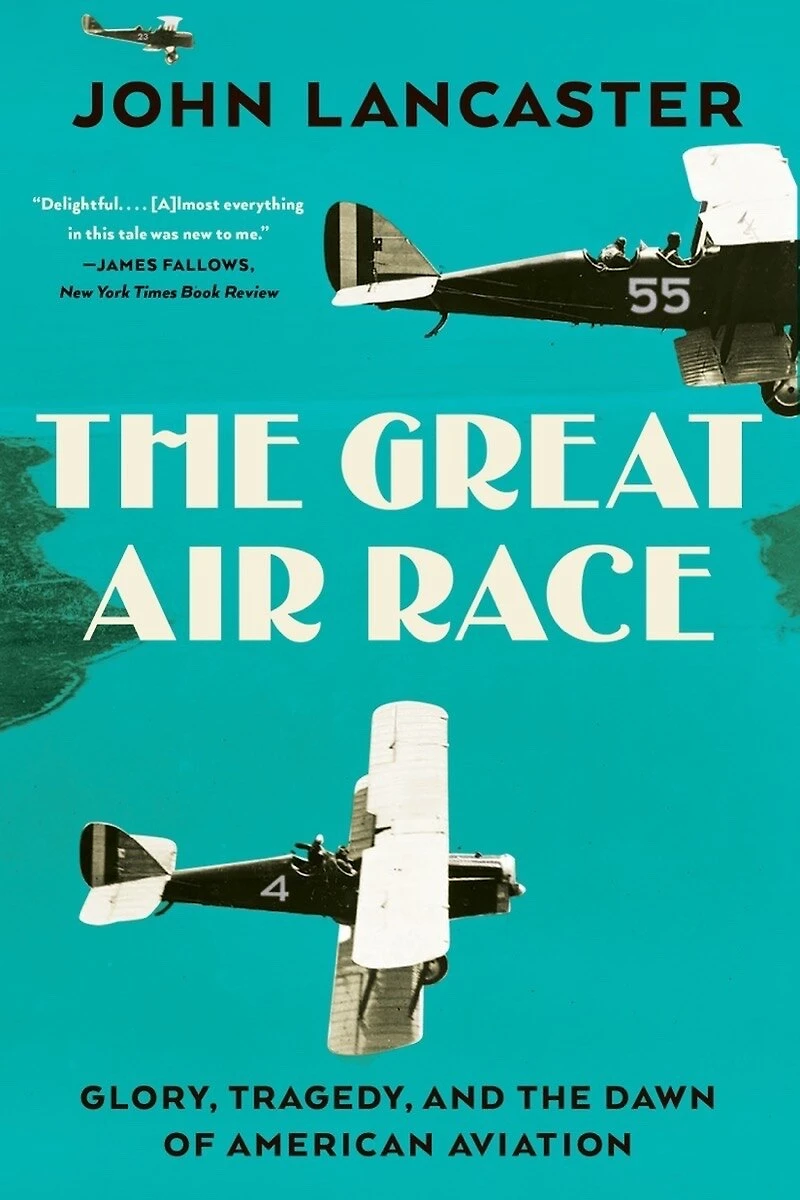
the Great Air Race: Glory, Tragedy, and Dawn of American Aviation in Ottawa, ON
Current price: $38.95

the Great Air Race: Glory, Tragedy, and Dawn of American Aviation in Ottawa, ON
Current price: $38.95
Loading Inventory...
Size: Hardcover
*Product information may vary - to confirm product availability, pricing, shipping and return information please contact Coles
The untold, almost unbelievable, story of the daring pilots who risked their lives in an unprecedented air race in 1919—and put American aviation on the map.
Years before Charles Lindbergh’s flight from New York to Paris electrified the nation, a group of daredevil pilots, most of them veterans of the World War I, brought aviation to the masses by competing in the sensational transcontinental air race of 1919. The contest awakened Americans to the practical possibilities of flight, yet despite its significance, it has until now been all but forgotten.
In The Great Air Race , journalist and amateur pilot John Lancaster finally reclaims this landmark event and the unheralded aviators who competed to be the fastest man in America. His thrilling chronicle opens with the race’s impresario, Brigadier General Billy Mitchell, who believed the nation’s future was in the skies. Mitchell’s contest—critics called it a stunt—was a risky undertaking, given that the DH-4s and Fokkers the contestants flew were almost comically ill-suited for long-distance travel: engines caught fire in flight; crude flight instruments were of little help in clouds and fog; and the brakeless planes were prone to nosing over on landing.
Yet the aviators possessed an almost inhuman disregard for their own safety, braving blizzards and mechanical failure as they landed in remote cornfields or at the edges of cliffs. Among the most talented were Belvin “The Flying Parson” Maynard, whose dog, Trixie, shared the rear cockpit with his mechanic, and John Donaldson, a war hero who twice escaped German imprisonment. Jockeying reporters made much of their rivalries, and the crowds along the race’s route exploded, with everyday Americans eager to catch their first glimpse of airplanes and the mythic “birdmen” who flew them.
The race was a test of endurance that many pilots didn’t finish: some dropped out from sheer exhaustion, while others, betrayed by their engines or their instincts, perished. For all its tragedy, Lancaster argues, the race galvanized the nation to embrace the technology of flight. A thrilling tale of men and their machines, The Great Air Race offers a new origin point for commercial aviation in the United States, even as it greatly expands our pantheon of aviation heroes.
The untold, almost unbelievable, story of the daring pilots who risked their lives in an unprecedented air race in 1919—and put American aviation on the map.
Years before Charles Lindbergh’s flight from New York to Paris electrified the nation, a group of daredevil pilots, most of them veterans of the World War I, brought aviation to the masses by competing in the sensational transcontinental air race of 1919. The contest awakened Americans to the practical possibilities of flight, yet despite its significance, it has until now been all but forgotten.
In The Great Air Race , journalist and amateur pilot John Lancaster finally reclaims this landmark event and the unheralded aviators who competed to be the fastest man in America. His thrilling chronicle opens with the race’s impresario, Brigadier General Billy Mitchell, who believed the nation’s future was in the skies. Mitchell’s contest—critics called it a stunt—was a risky undertaking, given that the DH-4s and Fokkers the contestants flew were almost comically ill-suited for long-distance travel: engines caught fire in flight; crude flight instruments were of little help in clouds and fog; and the brakeless planes were prone to nosing over on landing.
Yet the aviators possessed an almost inhuman disregard for their own safety, braving blizzards and mechanical failure as they landed in remote cornfields or at the edges of cliffs. Among the most talented were Belvin “The Flying Parson” Maynard, whose dog, Trixie, shared the rear cockpit with his mechanic, and John Donaldson, a war hero who twice escaped German imprisonment. Jockeying reporters made much of their rivalries, and the crowds along the race’s route exploded, with everyday Americans eager to catch their first glimpse of airplanes and the mythic “birdmen” who flew them.
The race was a test of endurance that many pilots didn’t finish: some dropped out from sheer exhaustion, while others, betrayed by their engines or their instincts, perished. For all its tragedy, Lancaster argues, the race galvanized the nation to embrace the technology of flight. A thrilling tale of men and their machines, The Great Air Race offers a new origin point for commercial aviation in the United States, even as it greatly expands our pantheon of aviation heroes.
You May Also Like









More About Coles at Bayshore Shopping Centre
Coles is renowned for its outstanding customer service and great selection of books. Along with the vast array of magazines, stationary, audio-books, children's literature, fiction, non-fiction and reference books, you can find accessories to make your reading experience more pleasurable. We can recommend the very best in reading today. We will help you search our titles for exactly what you need, and if we do not have it in stock, we will order it for you.
100 Bayshore Dr, Nepean, ON K2B 8C1, Canada
Find Coles at Bayshore Shopping Centre in Ottawa, ON
Visit Coles at Bayshore Shopping Centre in Ottawa, ON