

Give the Gift of Choice!
Too many options? Treat your friends and family to their favourite stores with a Bayshore Shopping Centre gift card, redeemable at participating retailers throughout the centre. Click below to purchase yours today!Purchase HereHome
The Great Western Schism, 1378–1417: Performing Legitimacy, Performing Unity
Coles
Loading Inventory...
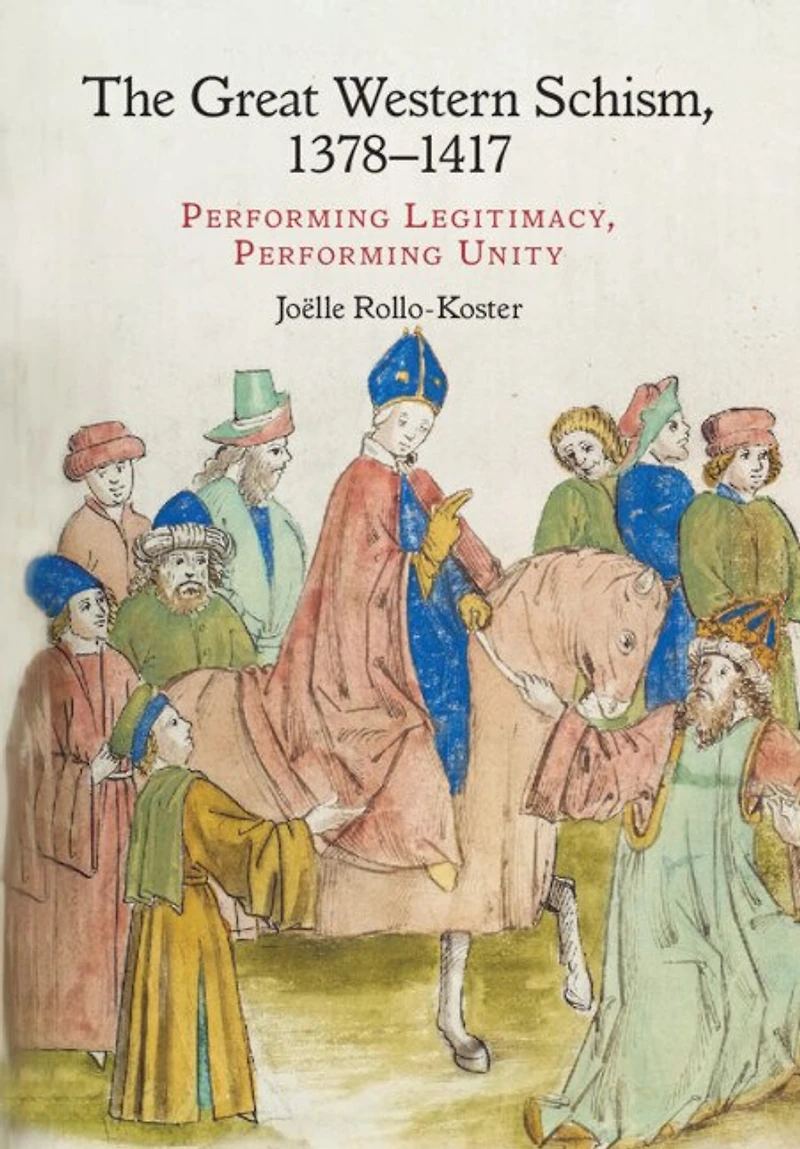
The Great Western Schism, 1378–1417: Performing Legitimacy, Performing Unity in Ottawa, ON
Current price: $176.82

The Great Western Schism, 1378–1417: Performing Legitimacy, Performing Unity in Ottawa, ON
Current price: $176.82
Loading Inventory...
Size: Hardcover
*Product information may vary - to confirm product availability, pricing, shipping and return information please contact Coles
The Great Schism divided Western Christianity between 1378 and 1417. Two popes and their courts occupied the see of St. Peter, one in Rome, and one in Avignon. Traditionally, this event has received attention from scholars of institutional history. In this book, by contrast, Joëlle Rollo-Koster investigates the event through the prism of social drama. Marshalling liturgical, cultural, artistic, literary and archival evidence, she explores the four phases of the Schism: the breach after the 1378 election, the subsequent division of the Church, redressive actions, and reintegration of the papacy in a single pope. Investigating how popes legitimized their respective positions and the reception of these efforts, Rollo-Koster shows how the Schism influenced political thought, how unity was achieved, and how the two capitals, Rome and Avignon, responded to events. Rollo-Koster's approach humanizes the Schism, enabling us to understand the event as it was experienced by contemporaries.
The Great Schism divided Western Christianity between 1378 and 1417. Two popes and their courts occupied the see of St. Peter, one in Rome, and one in Avignon. Traditionally, this event has received attention from scholars of institutional history. In this book, by contrast, Joëlle Rollo-Koster investigates the event through the prism of social drama. Marshalling liturgical, cultural, artistic, literary and archival evidence, she explores the four phases of the Schism: the breach after the 1378 election, the subsequent division of the Church, redressive actions, and reintegration of the papacy in a single pope. Investigating how popes legitimized their respective positions and the reception of these efforts, Rollo-Koster shows how the Schism influenced political thought, how unity was achieved, and how the two capitals, Rome and Avignon, responded to events. Rollo-Koster's approach humanizes the Schism, enabling us to understand the event as it was experienced by contemporaries.
You May Also Like
















More About Coles at Bayshore Shopping Centre
Coles is renowned for its outstanding customer service and great selection of books. Along with the vast array of magazines, stationary, audio-books, children's literature, fiction, non-fiction and reference books, you can find accessories to make your reading experience more pleasurable. We can recommend the very best in reading today. We will help you search our titles for exactly what you need, and if we do not have it in stock, we will order it for you.
100 Bayshore Dr, Nepean, ON K2B 8C1, Canada
Find Coles at Bayshore Shopping Centre in Ottawa, ON
Visit Coles at Bayshore Shopping Centre in Ottawa, ON